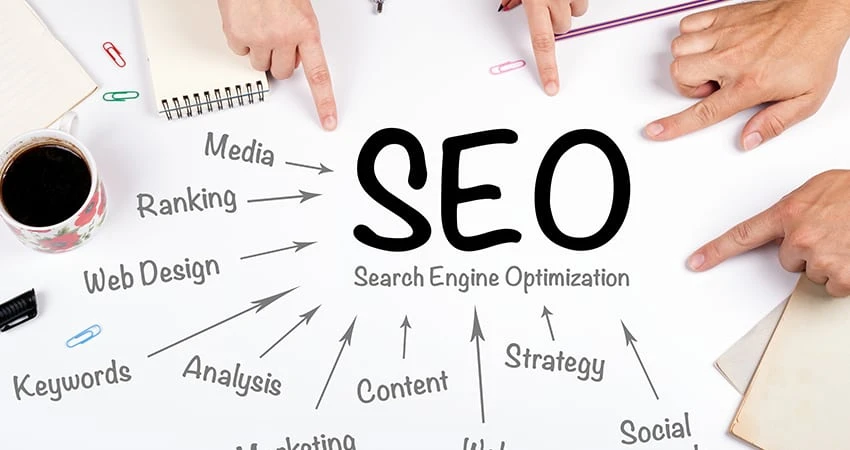

In this digital era, your website is the key to your business's growth and success. However, it can be possible only if you are reaching out to your target audience. In other words, your website must be discoverable to your customers. It must rank higher on result pages or appear at the top of user searches.
SEO plays a vital role in ensuring your website's visibility and high ranking. But not everyone can master and employ the best SEO practices on their website. Both On-page and Off-page SEO, when done with the right strategy and goal in mind, bring out the desired results.
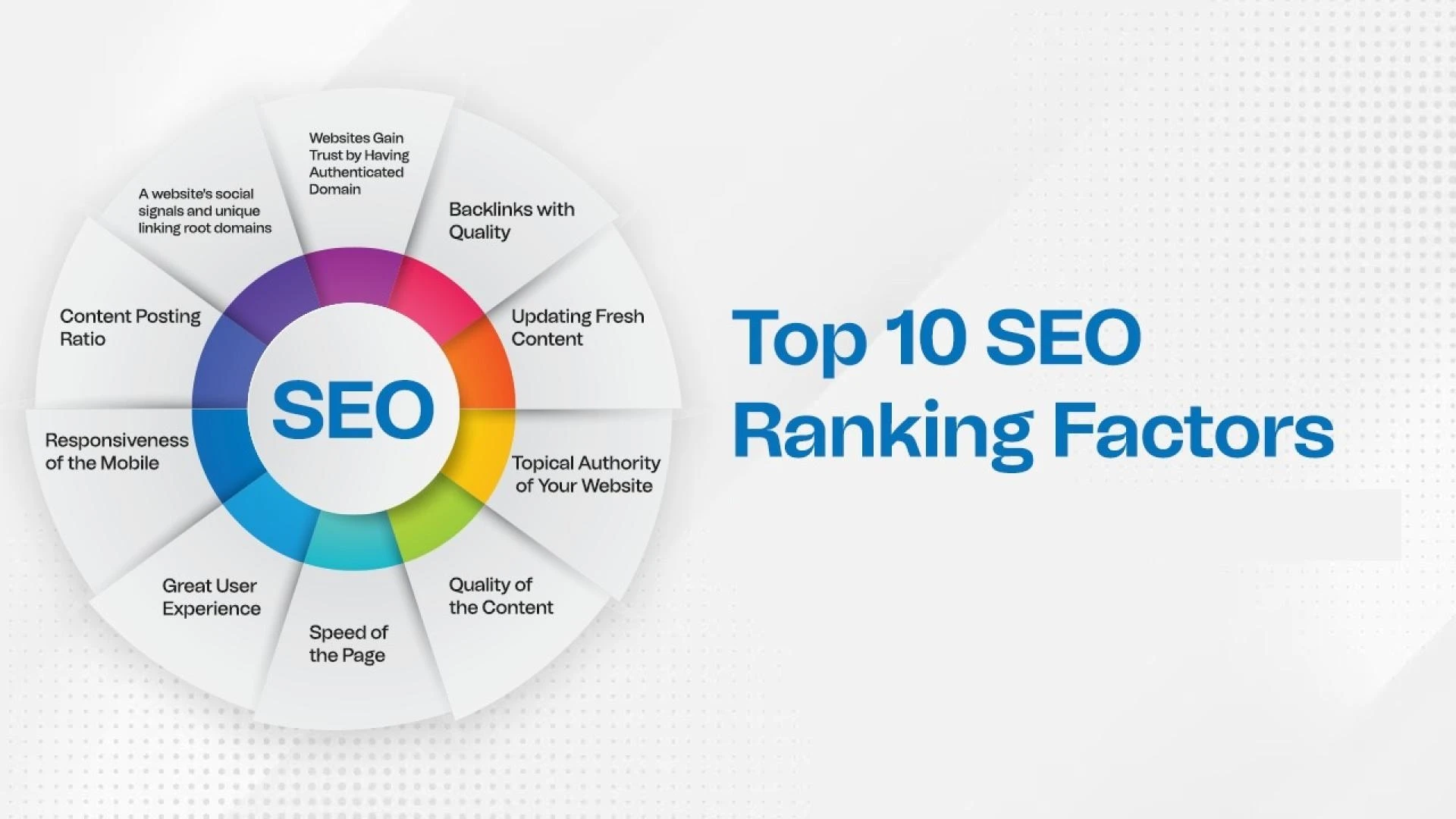
When it comes to website SEO, there are many factors that one should consider. Once you know these factors and apply them to your SEO strategy, you will get exceptional results.
So, are you looking to drive traffic to your website and improve its search engine optimization?
Then this is the best SEO guide for you that outlines the 5 most crucial SEO principles for optimizing your website.
1. Organised Website
Your website must be user-friendly as well as well-structured. An unorganised website leaves a bad impression on the visitors. It will also ruin the user experience and fail to turn leads into sales.
On the other hand, a well-organised website will enhance the user experience. It will be easier for visitors to navigate through the website and explore its products.
For simpler navigation and site crawlability, keep page groupings and site structure as straightforward as you can. Additionally, make sure that each of these pages has unique meta descriptions, titles, tags, and header tags.
2. Link Building
The process of obtaining a link from one or more websites to your own website is called link building. It ensures that people reach your web pages to find relevant information or products. Links enable bots to crawl, index, and rank online pages in search engines.
Make sure your website has possibilities for natural linking and that the information you are linking to in link-building initiatives is worthwhile.
Here are some of the ways you can make your website linkable:
Get listings in reputed online websites and directories related to your business sector. Link your website to a variety of places like social media, press releases, blogs and news. Use optimized and relevant keywords as anchor texts. Verify and optimize your Google business page. Create relevant content that caters to your customers on social media and other channels. Engage in guest postings. Launch goal-specific link-building campaigns to enhance your backlink portfolio.3. Optimize Keyword Density Of Your Content
To make sure that your page ranks correctly in search results, keyword density is essential.
If the keywords are not used in the right places in the content, the SEO suffers. Moreover, the keywords must appear naturally in the overall content.
On the other hand, keyword stuffing will negatively impact your ranking. Inserting a lot of keywords in the content forcefully is a red flag in SEO practices.
Here are some of the best ways to use your keywords:
Use keywords naturally in the right places. Use long tail keywords Use keyword synonyms Use tools to identify and check the right keyword density for your content.4. On-Page SEO
The practice of making your website pages more search engine and user-friendly is known as on-page SEO. The objective is to rank higher and give website visitors a better user experience.
But how is on-page optimisation done?
You can ensure on-page optimisation through image optimisations, alt text, faster page load time, better titles and meta descriptions.
The secret is to strategically optimise while concentrating on the most crucial ranking elements. The key to higher visibility on SERPs is stronger and more strategic on-page SEO.
Have a look at the on-page SEO checklist:
Keyword research Meta tags Meta Title tags Header tags hierarchy5. Page Speed & Experience
In this fast-paced world, websites must be fast and mobile-optimized as a result of Google's Page Experience upgrade.
Google wants its users to access their desired content quickly without any buffering. If your page or some of its elements take a long time to load, it might be challenging to give users a good experience. Google always prefers pages that load faster to offer its users an enhanced online experience.
Here is how you can ensure technical site speed optimization:
Revisit your heatmap tracking Check to see if your PHP is out of date Setup a content delivery network (CDN) Image optimizations Optimize your website code Find fast hosting services with better servers that are located in the region of your target audienceConclusion
The first step in optimising your website is to understand fundamental SEO principles. The 5 basic SEO principles outlined above will help you optimize your website to drive more traffic.
If you are looking to improve your website ranking and visibility, invest in SEO and marketing campaigns. You can hire a good Content Marketing Agency to strategically enhance your website’s marketing campaigns, employ better SEO tactics, and promote your brand.
0










Sign in to leave a comment.