Can luxury architecture truly survive wildfire threats without losing its elegance?
This is the pressing challenge in high-risk regions like California, Colorado, and parts of Arizona. As wildfires become more frequent and unpredictable, the demand for modern luxury architecture that blends fire-resistance with fine design is reshaping the industry. The question is no longer if you can protect — it’s how to do so without compromising aesthetic values.
Let’s uncover the premium fire-safe materials that are redefining high-end homes in wildfire zones.
The New Language of Luxury: Fire-Safe Materials with Style
Modern luxury architecture in fire-prone areas now goes far beyond code compliance — it's about building a sanctuary that defends without looking defensive. Here's how that balance is being struck:
1. Fiber Cement Siding: Strength That Looks Like Stone or Wood
● Engineered to resist flames, insects, and warping.
● Can be styled to resemble cedar, stucco, or stone — keeping the luxury feel intact.
● Carries a Class A fire rating — the highest available.
Fiber cement's durability makes it a favorite in Montecito residential architecture, offering both resilience and curb appeal where wildfire safety and sophistication must coexist.
2. Metal Cladding: Industrial Chic Meets Fire Resistance
● Non-combustible and sleek — think aluminum panels, steel sheets, or zinc facades.
● Ideal for creating sharp, modern profiles in custom home exteriors.
● Works well in rainscreen systems for ventilation and heat resistance.
Used widely in modern fire-resistant cladding, metal panels reflect contemporary trends while offering high thermal stability.
3. Tempered Glass: Transparency Without Vulnerability
Who said large windows and fire-safe design can't mix?
● Four times stronger than regular glass.
● Doesn’t shatter into dangerous shards when exposed to high heat.
● Can be paired with metal frames for added protection and clean aesthetics.
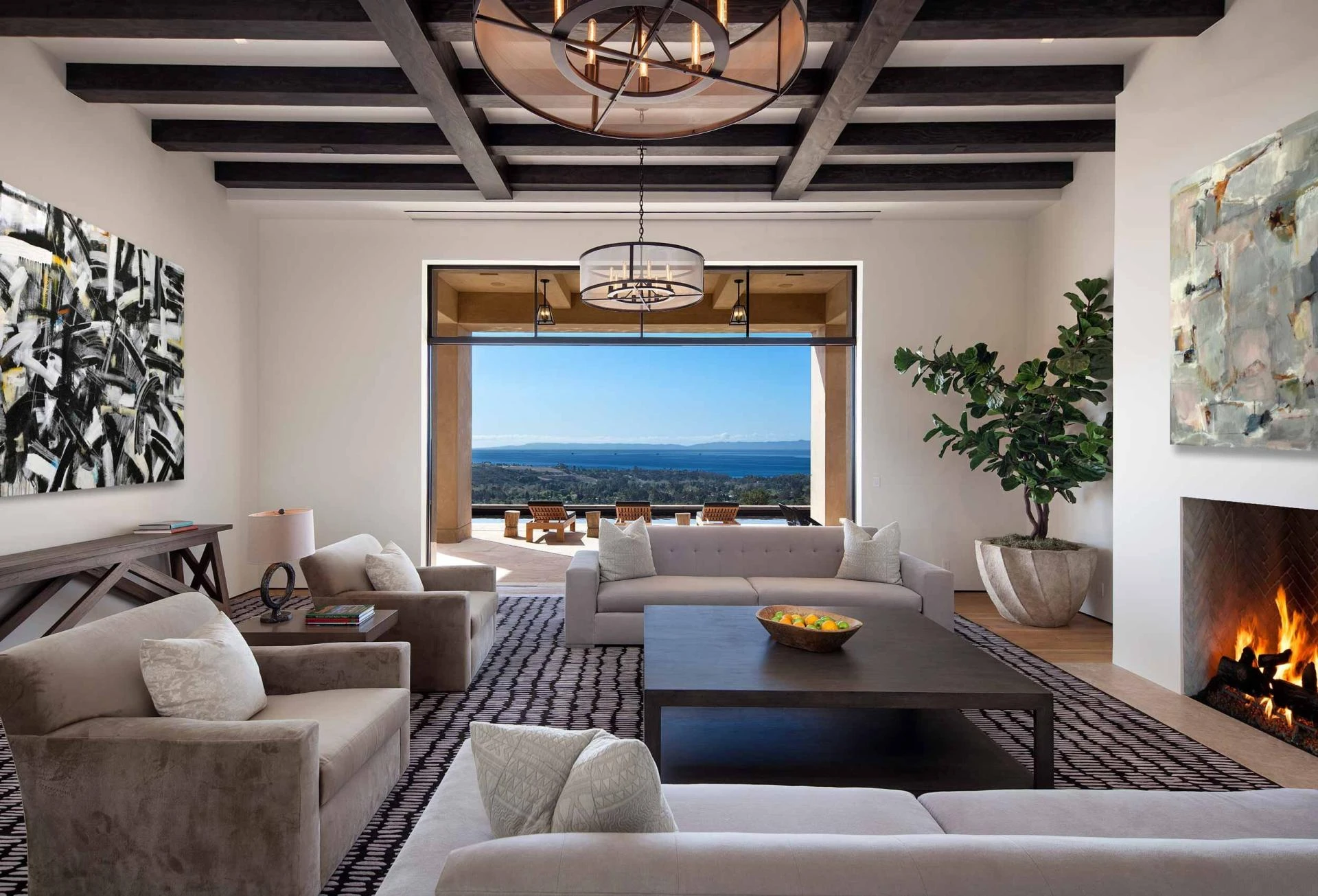
If you're designing a home with expansive views — like clifftop villas or canyon residences — tempered glass is your solution to enjoy the landscape while staying safe.
How can you pair glass curtain walls with ember protection systems without ruining the view? We'll cover that later!
4. Reinforced Concrete: The Brutalist Beauty with Modern Elegance
Yes, concrete can be warm, textural, and bespoke — especially when you’re designing with form in mind.
● Naturally fire-resistant and non-combustible.
● Offers sculptural flexibility for custom facades, retaining walls, or minimalist interiors.
● Performs well under extreme heat without loss of structural integrity.
Used correctly, concrete forms the backbone of wildfire safe home materials in today’s upscale properties — especially in cliffside homes or hillside remodels.
5. Fire-Rated Wood Composites: Warmth Without the Worry
Wood still reigns in luxury aesthetics — but only the right kind.
● Look for WUI (Wildland Urban Interface) approved materials.
● Composite decking, cladding, and soffits can carry Class A fire ratings.
● Engineered to maintain texture, grain, and tone under extreme heat.
Can charred wood siding (Shou Sugi Ban) meet current WUI standards? We'll explore that later!
Design-Forward Meets Code-Smart: The Stats Don’t Lie
According to the Insurance Institute for Business & Home Safety (IBHS), 60% of home ignitions in wildfires occur from embers — not direct flame contact.
That stat changes everything. It’s no longer just about what the walls are made of — it’s how the details come together. You need a design strategy that blocks ember intrusion, reduces ignition points, and preserves luxury expression.
Luxury Fireproof Design Is No Longer Optional — It’s Essential
Architects working with discerning clients can no longer treat fire safety as a back-end consideration. It must inform everything — from luxury fireproof siding choices to detailing and hardscape planning.
Is Your Next Project Fire-Safe and Stunning?
As wildfire risks climb and expectations for modern luxury architecture evolve, the palette of materials available to you is richer — and smarter — than ever.
So ask yourself: Are your design specs ready for tomorrow’s climate, today’s codes, and your client’s uncompromised vision?



























Sign in to leave a comment.