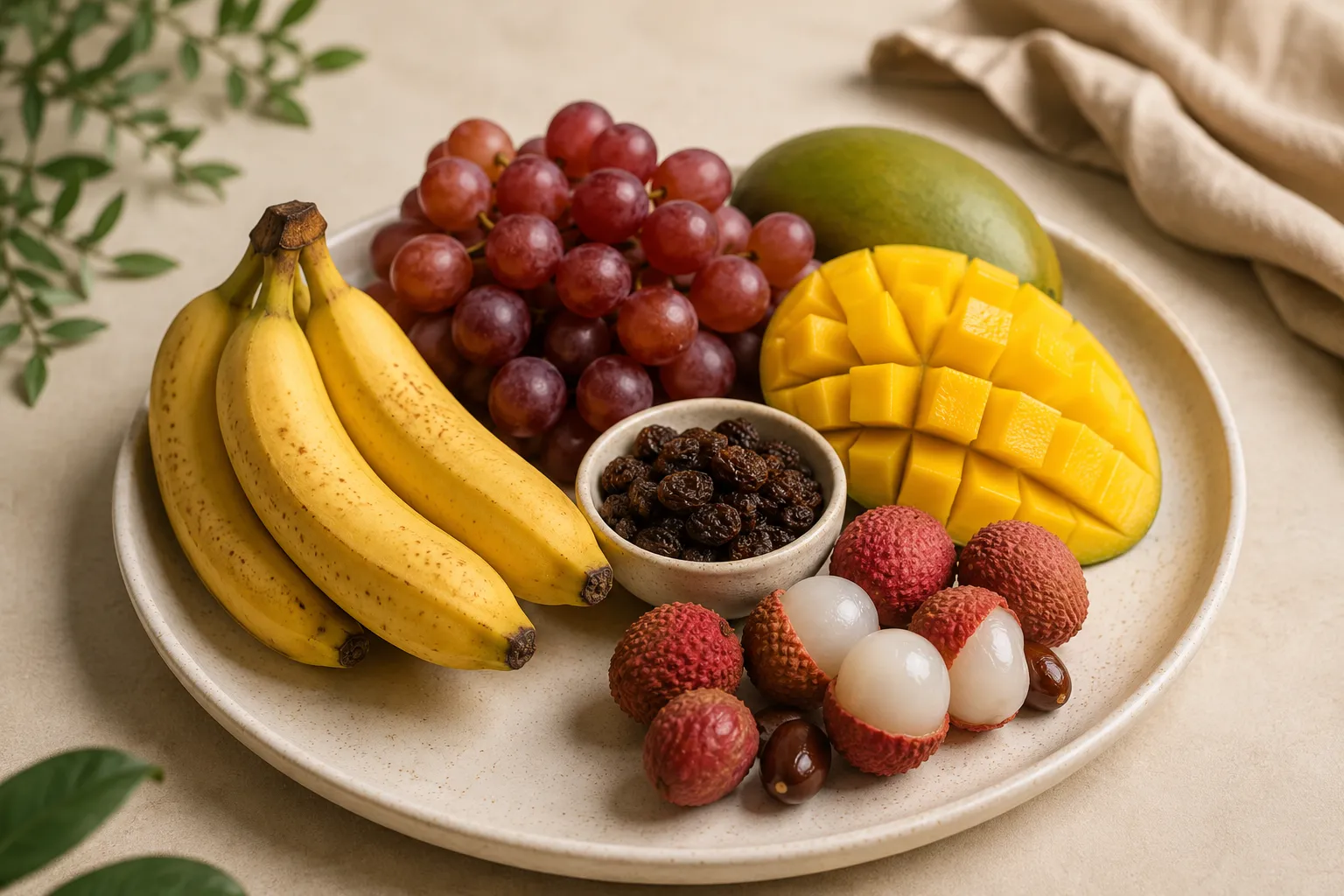

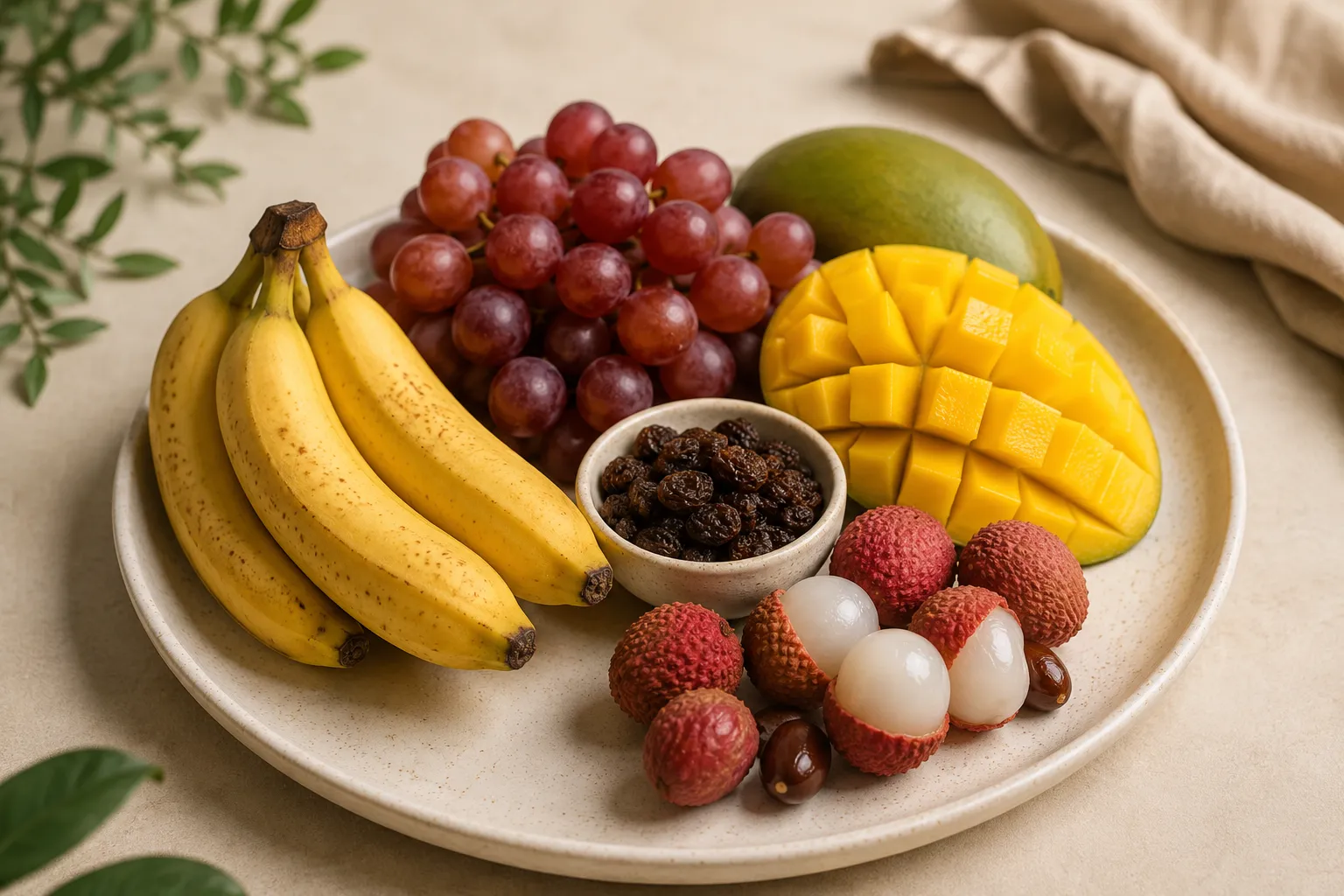
Eating fruit is one of the healthiest habits you can develop, especially when you're trying to lose weight. Fruits are naturally packed with fiber, vitamins, minerals, and antioxidants that support overall health. However, not all fruits are equally beneficial for a calorie controlled diet. Some contain more natural sugars and calories, making it easier to exceed your daily energy needs if eaten in large amounts.
Knowing 5 fruits to avoid for weight loss does not mean you have to eliminate them from your diet. Instead, it helps you make informed choices and practice portion control while still enjoying a balanced eating plan.
How Fruit Affects Weight Loss
Weight loss happens when you consistently consume fewer calories than your body burns. While fruits are healthier than processed sweets, they still contribute calories. Choosing lower calorie, fiber rich fruits more often can help you stay full, reduce cravings, and support healthy weight management.
Before adding fruit to your daily diet, remember these simple tips.
- Choose whole fruits instead of fruit juices because they contain more fiber.
- Stick to recommended serving sizes instead of eating unlimited portions.
- Pair fruit with protein rich foods to stay satisfied for longer.
- Avoid fruits packed in sugary syrups or sweetened toppings.
- Include a variety of fruits to get a wider range of nutrients.
5 Fruits to Avoid for Weight Loss
1. Custard Apple
Custard apple is creamy, delicious, and full of nutrients, but it is also one of the highest calorie fruits due to its naturally high sugar content.
Why it should be limited
- It contains a higher amount of natural sugar than many common fruits.
- A single fruit can contribute a significant number of calories.
- Its creamy texture makes it easy to eat quickly.
- Eating it frequently in large portions may slow weight loss progress.
2. Sapodilla
Sapodilla, also known as chikoo, is naturally sweet and energy dense. Although it contains fiber and vitamins, it is higher in carbohydrates than many low calorie fruits.
Why it should be limited
- It is naturally rich in sugar.
- Larger servings increase daily calorie intake.
- It may not keep you full as long as higher fiber fruits.
- Moderation is important for weight management.
3. Figs
Fresh figs are nutritious, but they contain more sugar than many berries and citrus fruits. Dried figs are even more concentrated in calories.
Why it should be limited
- They are relatively calorie dense.
- They contain a good amount of natural sugar.
- Dried versions can easily lead to overeating.
- Portion control is essential for weight loss.
4. Longan
Longan is a tropical fruit with a sweet flavor similar to lychee. It provides vitamins and antioxidants but also contains a higher amount of natural sugar.
Why it should be limited
- Sweet taste encourages larger portions.
- Calories add up quickly when eaten by the handful.
- It provides less fiber than some other fruits.
- Smaller servings fit better into a calorie controlled diet.
5. Sweetened Frozen Fruit
Some frozen fruit products come coated with sugar or flavored syrups, increasing their calorie content.
Why it should be limited
- Added sugar raises total calorie intake.
- Sweetened coatings reduce the nutritional advantage of fruit.
- It is less healthy than plain frozen fruit.
- Reading food labels helps you choose better options.
Best Fruits to Include Instead
If your goal is healthy and sustainable weight loss, choose fruits that are naturally lower in calories and higher in fiber.
- Apples help keep you full because they are rich in fiber.
- Pears support digestion and reduce hunger.
- Strawberries are naturally low in calories and high in vitamin C.
- Blackberries provide fiber and antioxidants with relatively few calories.
- Grapefruit is refreshing and fits well into many weight loss meal plans.
- Kiwi offers fiber, vitamin C, and excellent nutritional value.
Tips for Enjoying Fruit While Losing Weight
- Eat fruit during breakfast or as a planned snack instead of eating it mindlessly.
- Measure serving sizes to avoid consuming extra calories.
- Combine fruit with cottage cheese, yogurt, or nuts for a balanced snack.
- Drink enough water throughout the day to support healthy digestion.
- Avoid replacing meals with fruit alone because balanced meals provide longer lasting energy.
- Focus on consistency instead of eliminating your favorite fruits completely.
Frequently Asked Questions
Are all sweet fruits bad for weight loss?
No. Sweet fruits can still be part of a healthy diet. The key is eating them in moderate portions while keeping your total calorie intake in check.
Can I eat fruit at night?
Yes. There is no strong evidence that eating fruit at night causes weight gain. Overall calorie intake throughout the day is more important than timing.
Which fruit is best for reducing hunger?
Apples, pears, berries, and oranges are excellent choices because they are rich in fiber and help you stay full for longer.
Is fresh fruit better than canned fruit?
Fresh fruit is usually the better option because it contains no added sugar. If you buy canned fruit, choose varieties packed in water or natural juice instead of syrup.
Should I completely avoid these 5 fruits to avoid for weight loss?
No. The 5 fruits to avoid for weight loss are still nutritious foods. Rather than removing them from your diet, enjoy them occasionally, watch your portion sizes, and balance them with lower calorie fruits and a healthy lifestyle for long term weight management.


























Sign in to leave a comment.