
Cleaning up after a construction project is not merely an end-of-job formality; it is an essential process that ensures safety, efficiency, and aesthetics. In Pinal County, where the construction industry is witnessing significant growth, the importance of an effective clean-up cannot be overstated. This task requires careful planning and execution, as it involves several steps that significantly impact the overall outcome of the project. The following sections will outline five key steps for an effective construction clean-up in Pinal County, ensuring that every corner is addressed and that the site is prepared for its intended use.
Step 1: Planning and Preparation
Before any physical cleaning occurs, it is crucial to have a comprehensive plan in place. This plan should begin with a thorough assessment of the site to identify specific areas that need attention. The project manager or foreman should conduct a walk-through, taking note of debris, hazardous materials, and any potential safety issues. This assessment will guide the cleaning crew in prioritizing their tasks.
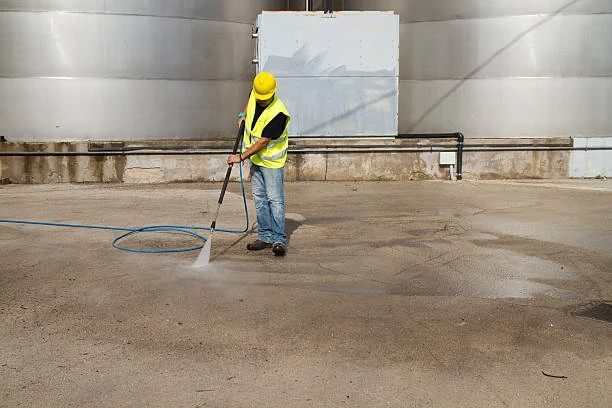
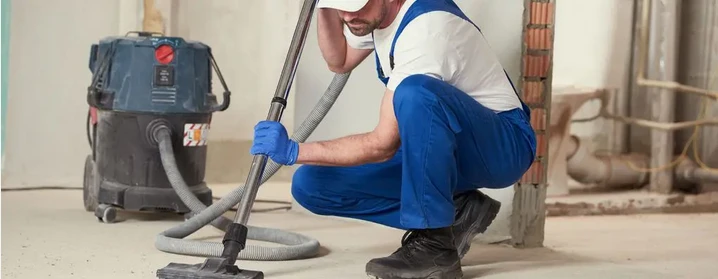
Moreover, it is essential to gather the right tools and equipment. Depending on the scale of the construction project, this could range from basic hand tools to heavy machinery. For instance, large construction sites may require industrial vacuums, pressure washers, and dumpsters for debris removal, while smaller projects might only need brooms and dustpans. Having everything organized before the clean-up begins will streamline the process and minimize downtime.
Safety protocols must also be addressed during this stage. All workers should be briefed on the potential hazards present on the site, and personal protective equipment (PPE) should be provided. By taking these preliminary steps, the team can ensure that the clean-up proceeds smoothly and efficiently.
Step 2: Debris Removal
Once the planning phase is complete, it is time to tackle the most visible aspect of construction clean-up: debris removal. This step is crucial as it lays the foundation for the remaining cleaning tasks. Debris can include everything from scraps of wood and metal to packaging materials and dust from construction activities.
To effectively remove debris, teams should start from the furthest corners of the site and work their way toward the exit. This method prevents the re-contamination of already cleaned areas. Additionally, it is vital to sort the debris into different categories: recyclable materials, hazardous waste, and general trash. Many materials from construction sites can be recycled, including metals, wood, and concrete, which not only minimizes waste but also promotes environmentally friendly practices.
As the debris is collected, it should be placed in designated containers to ensure that the site remains organized. This organization not only enhances safety by reducing tripping hazards but also improves efficiency as workers can quickly locate the necessary tools and materials. Once all debris has been removed, the site will look significantly cleaner and more inviting.
Step 3: Surface Cleaning
With the debris cleared away, the next step is surface cleaning. This process involves dusting, sweeping, and mopping various surfaces, including floors, walls, and windows. Construction projects often leave behind a fine layer of dust and dirt, which can continue to accumulate if not addressed promptly.
A thorough surface cleaning begins with the use of brooms or industrial vacuums to remove dust and debris from floors. For hard surfaces, a damp mop can be employed to ensure that any remaining particles are lifted away. When it comes to walls and windows, a microfiber cloth or sponge is recommended, as it effectively traps dust without leaving streaks.
In addition to improving the aesthetics of the space, surface cleaning is essential for health reasons. Dust and debris can trigger allergies and respiratory issues, particularly in individuals with pre-existing conditions. By ensuring that surfaces are clean, construction teams contribute to a healthier environment for future occupants.
Step 4: Final Touches and Inspection
After the major cleaning tasks have been completed, it’s time to focus on the final touches. This step entails inspecting the site for any overlooked areas and performing minor cleaning tasks that can enhance the overall presentation of the space. During this phase, teams should ensure that all surfaces are polished, and any remaining dirt or stains are addressed.
Attention to detail is critical during this stage. For example, light fixtures should be wiped down to remove dust, and any glass surfaces should be cleaned to ensure clarity. Additionally, any tools or equipment left on-site should be organized and stored in designated areas, further contributing to a tidy environment.
Once the final touches are complete, a thorough inspection should be conducted. This inspection involves walking through the entire site and checking for any missed spots or areas needing additional cleaning. It is beneficial to have a second set of eyes during this process, as fresh perspectives can often catch details that may have been overlooked.
Step 5: Waste Disposal and Environmental Considerations
The final step in effective construction clean-up is the proper disposal of waste. This process is not only about removing trash from the site but also about doing so in an environmentally responsible manner. Construction sites often generate a significant amount of waste, and it's vital to ensure that materials are disposed of correctly.
Hazardous materials, such as chemicals or asbestos, require special handling and should be disposed of in accordance with local regulations. Many communities, including those in Pinal County, have specific guidelines regarding the disposal of hazardous waste. Compliance with these regulations ensures the safety of workers and the public while minimizing the environmental impact.
In addition to hazardous waste, recyclable materials should be sorted and taken to the appropriate facilities. By prioritizing recycling, construction teams can significantly reduce the amount of waste sent to landfills. This commitment to sustainability not only benefits the environment but can also enhance a company's reputation within the community.
Conclusion
In conclusion, an effective construction clean-up involves meticulous planning, thorough debris removal, diligent surface cleaning, attention to final details, and responsible waste disposal. By following these five key steps, construction teams in Pinal County can ensure that their projects are completed to the highest standards, both in terms of safety and aesthetics. With the growing emphasis on sustainability and environmental responsibility in the construction industry, adopting these practices is not just beneficial; it is essential.
For those seeking professional assistance with construction clean-up, look no further than J&S Construction Clean Up, Inc. They specialize in providing comprehensive clean-up services tailored to meet the unique needs of your project. Contact them today to ensure your construction site is left spotless and ready for its next chapter!


























Sign in to leave a comment.