
Shopify is one of the most highly regarded SaaS platforms in the eCommerce sphere. It delivers nearly unlimited uptime, excellent customer support, high website load speeds and security, and an API which is widely compatible with many third-party installations and custom applications.
Even so, myths abound regarding the platform, ranging from claims that the platform is difficult to optimize to suppositions that its structure makes it difficult to customize.
They’re not entirely founded. With a little insider information, you can make some optimizations to your Shopify store to bring in more organic traffic. It’s not as difficult to optimize as some would claim.
So here are 5 insider tips from the Shopify SEO experts over at Genius eCommerce on how to optimize Shopify websites.
1.Use a keyword research tool.
So much of digital marketing, not just Shopify marketing, derives from keyword research. It’s tough to perform on your own, but there are a number of tools that you can use to identify those keywords that are aligned with the search intent of your target audience and which are attainable.
KWFinder is a tool you can use for free (for a trial period) that will give you insights into search volume, competition, CPC, and even regional search trends.
SEMRush offers a keyword research tool that you can use to garner similar insights and offers a number of other robust marketing tools as well. Their paid model is especially useful; it also comes with a writing tool that you can use to help optimize your content for SEO, readability, and more.
2.Optimize your website at the page level.
Once you identify a set number of keywords that you want to target through your optimization efforts, take your work down to the page level.
Restructure the content on your product pages, category, and landing pages to include more titles and use your target keywords in them. Distribute your target keywords throughout the web page, and in the metadata and URLs.
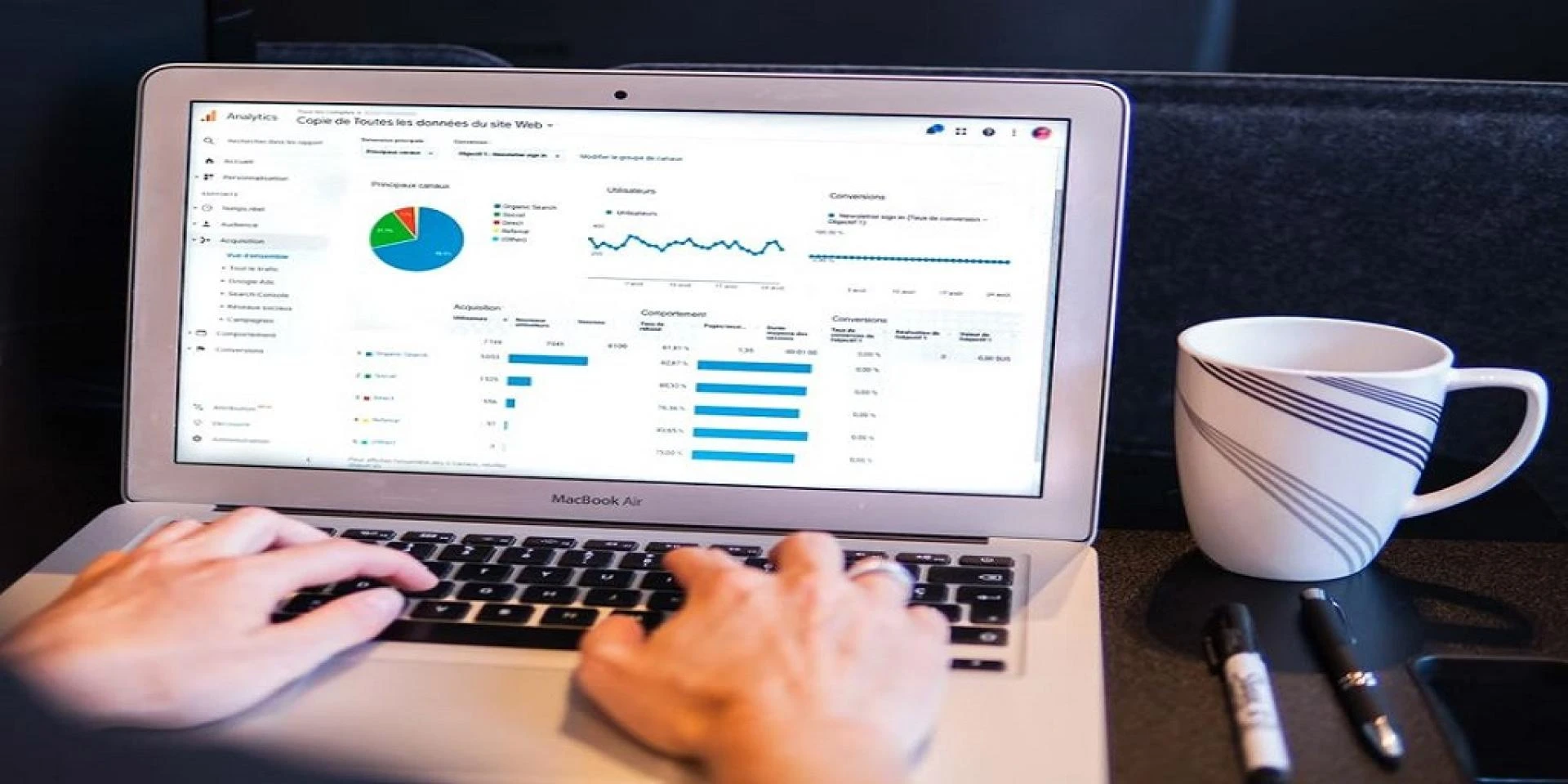
Other on-page SEO factors are more technical. Install Google Analytics and rectify any crawl errors and broken links.
Get an SSL certificate and upgrade to HTTPS, upload a robots.txt file. Luckily, Shopify automatically generates an XML sitemap, so you won’t need to do that manually.
3.Create a blogging schedule and produce content on a regular basis.
Creating content is a great way to get in touch with your target audience, even when not used as a dedicated part of an SEO strategy.
However, Shopify SEO experts almost unanimously highly recommend that eCommerce merchants blog (or at least produce other forms of content) on a reliable basis.
Writing blogs that are optimized for relevant target keywords is a great eCommerce marketing tip practiced by most SEO companies that are effective at getting Shopify websites to rank more highly in the search results for similar relevant targeted searches.
4.Give website speed a boost.
Website speed is an important ranking signal and one that deeply impacts the user experience as well.
So, even though Shopify is renowned for delivering fast website load speeds, it’s in your best interest to do everything you can to improve on them.
Compress images, minimize redirects, remove broken links, minify excess code, and activate browser caching. All of these will help keep your load speeds high.
5.Optimize your website for mobile shoppers.
As important as it is for your website to populate the search engine results pages on desktops, it’s equally important to shop up in mobile searches.
More importantly, it’s critical for your website to be optimized for mobile shoppers. It might be old news that Google is now doing mobile-first indexing, but that doesn’t change the importance of mobile optimization.
Apparently, 80% or more of all websites are now mobile-friendly. M-commerce is soon to dominate eCommerce and accounts for the majority of online sales.
That should be enough to convince you.
Consult the Shopify SEO Experts for More Information
As helpful as these tips are, they don’t account for the importance of other components that are central to the success of Shopify SEO services, such as link-building and in some cases, content marketing.
There’s a lot you can do yourself, but there’s also a reason that Shopify SEO experts are as helpful as they are. They have access to resources, analytical tools, and experience that some eCommerce entrepreneurs do not.
If you’re looking for a long-term, sustainable strategy to grow organic traffic and sales, partner with the eCommerce experts over at Genius eCommerce - GeniusEcommerce.com. They’ll take your Shopify website to the next level.
For more information about Bigcommerce Seo and Magento SEO Services Please visit: Genius Ecommerce.
0










Sign in to leave a comment.