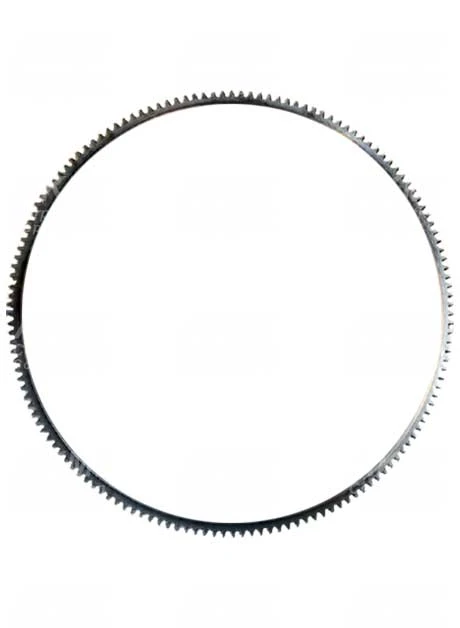

Your vehicle's flywheel gear plays a crucial role in keeping everything running smoothly, especially if you’ve already upgraded to an aftermarket version. While aftermarket parts can offer performance benefits and better value, they still wear out over time like any other component. If you’ve been noticing changes in how your vehicle behaves, it might be time to take a closer look at this essential part.
Here are five clear signs that your aftermarket flywheel gear could be due for a replacement.
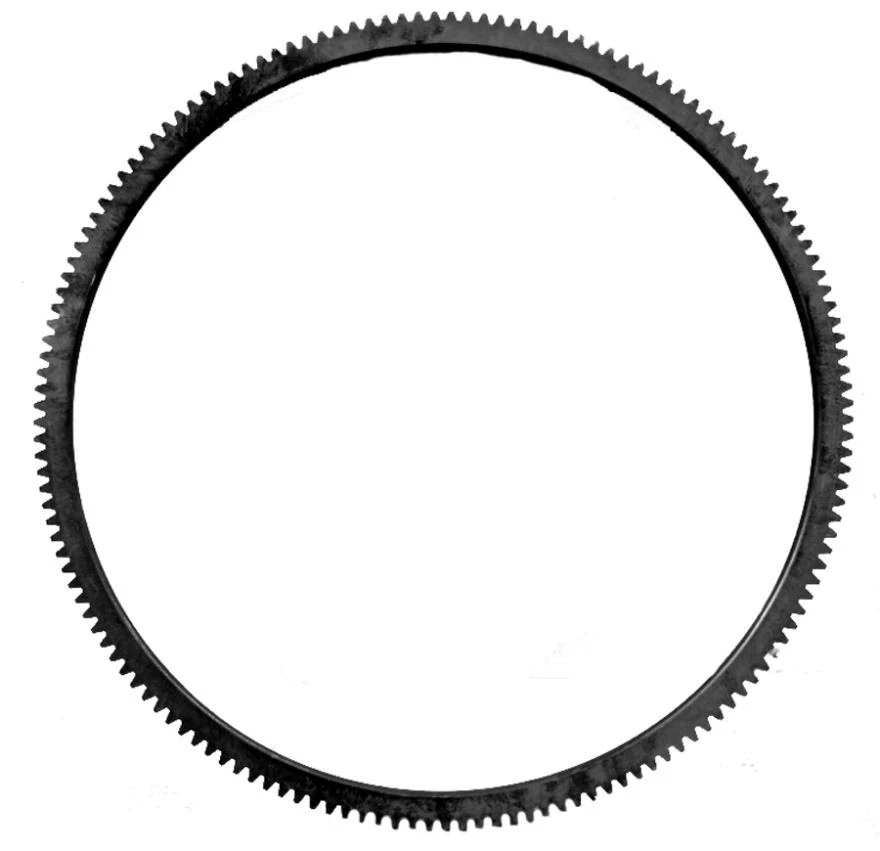
1. You’re Hearing Strange Noises During Startup
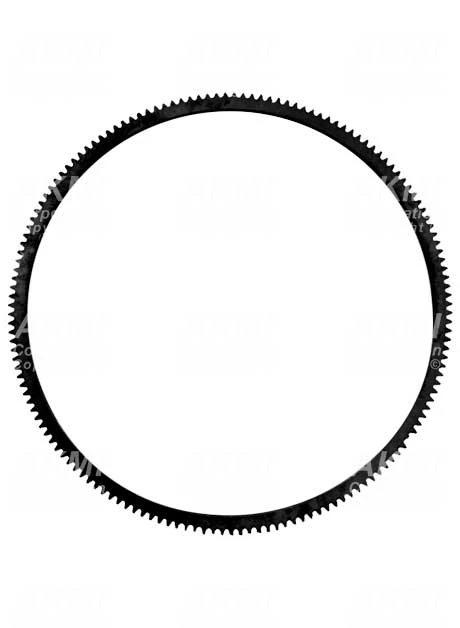
One of the first red flags often shows up when you start your vehicle. If you’re hearing grinding, clicking, or whining noises as the engine cranks, it could be a sign that the flywheel gear teeth are worn down or damaged. These teeth help engage the starter motor to crank the engine, and when they’re worn, that connection doesn’t happen as cleanly as it should.
Of course, strange noises during startup can point to other issues too, like a faulty starter or battery problems. But if you’ve ruled those out, the flywheel gear is worth checking. Ignoring these sounds can lead to more serious issues down the line, like complete starting failure.
2. You Notice Clutch Slippage or Jerking
If your vehicle has a manual transmission and you’re experiencing clutch slippage, a worn flywheel might be the culprit. You might feel like the car is hesitating, jerking, or revving without actually gaining speed. In some cases, you may even smell something burning, which is often a result of friction between the clutch disc and a damaged flywheel surface.
Even though clutch problems are often blamed on the clutch disc or pressure plate, the flywheel gear plays a key role in this system too. If its surface is uneven or cracked, it can prevent the clutch from engaging properly.
3. You’re Feeling More Vibrations Than Usual
A healthy flywheel helps balance the engine’s rotation and smooth out vibrations. If you suddenly feel increased shaking or vibrations while driving—especially at idle or when shifting gears—it might be because the flywheel is no longer balanced or has developed cracks.
These vibrations can be subtle at first, but they tend to get worse over time. If left unchecked, they can lead to more wear on other drivetrain components and even cause damage to the transmission or engine mounts.
4. Shifting Gears Has Become Difficult or Noisy
Trouble shifting, especially when moving between first and second gear or into reverse, can signal a flywheel issue. A worn flywheel can throw off the timing of gear engagement, making shifts feel stiff, noisy, or delayed.
This is especially true in manual vehicles, where the flywheel’s role is more hands-on. If you’ve recently changed your clutch and are still having shifting problems, it might not be the clutch’s fault—it could be time to inspect the flywheel instead.
5. The Flywheel Shows Visible Damage or Wear
This one might sound obvious, but if you or your mechanic get a chance to visually inspect the flywheel and notice deep grooves, heat spots, cracks, or missing teeth, replacement is the way to go. Sometimes, flywheels can be resurfaced to extend their life, but that’s not always possible with severe wear.
At AKMI Corp, we understand how important reliable engine parts are to keeping your operation running. That’s why we offer a range of high-quality aftermarket diesel engine components—including flywheel gears—that meet performance standards without the high cost of OEM parts. Whether you're managing a fleet or working on a single engine, our parts are built for durability and designed to fit seamlessly into your system.
A Quick Word on Lifespan
There’s no exact mileage for when a flywheel should be replaced. Some last well over 100,000 miles, while others may show signs of wear much earlier—especially under heavy driving conditions, frequent towing, or aggressive shifting. Keeping up with regular maintenance and paying attention to how your vehicle feels can help you catch problems early.
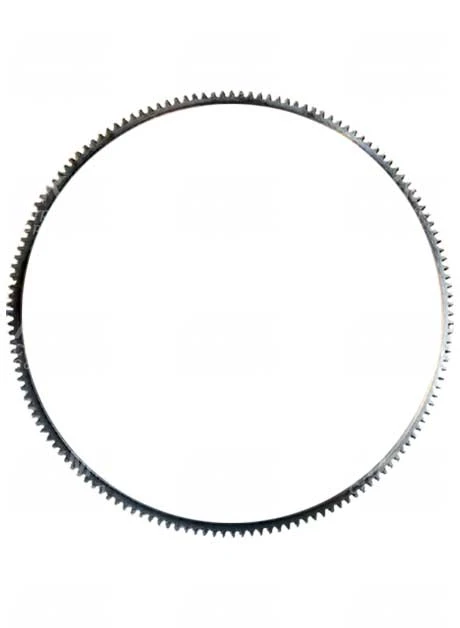
While an aftermarket flywheel gear can offer better performance or value compared to the original part, it's still subject to wear and tear. The key is knowing when to act before a small issue turns into a major repair.
When it's time for a replacement, AKMI Corp is a trusted source for dependable parts you can count on. With fast shipping, expert support, and a wide inventory, we help keep your equipment moving.
Conclusion
Your flywheel might not be something you think about every day, but it has a big job behind the scenes. From helping your engine start smoothly to making gear changes feel seamless, this part does more than most drivers realize—until it starts to wear out.
If you’ve noticed strange noises, shifting issues, excessive vibrations, or clutch trouble, it might be time to look at your flywheel gear more closely. Replacing it at the right time can prevent bigger problems and keep your vehicle running the way it should.
For reliable replacement parts and expert guidance, check out AKMI Corp’s selection of aftermarket diesel engine components. We’re here to help you find the right part and get back on the road with confidence.




























Sign in to leave a comment.