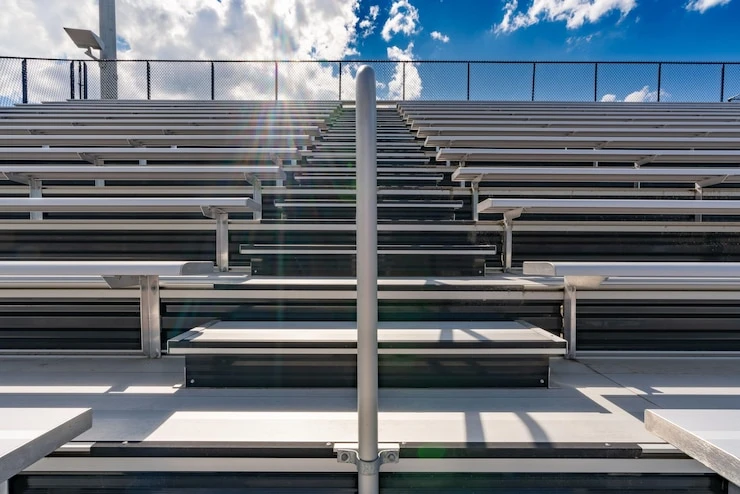
Bleachers are vital in stadiums, sports fields, schools, and event venues. They provide safe, durable, and comfortable seating for large crowds. Over time, however, bleacher planks can deteriorate due to wear and tear, weather exposure, and general aging. When this happens, replacing old planks with aluminum bleacher planks is one of the smartest moves you can make.
Aluminum bleacher planks are known for their durability, weather resistance, and cost-effectiveness. But how do you know it's time to make the switch? In this article, we'll discuss the five key signs that indicate it's time to replace your old bleacher planks with aluminum, ensuring safety, longevity, and an enhanced experience for spectators.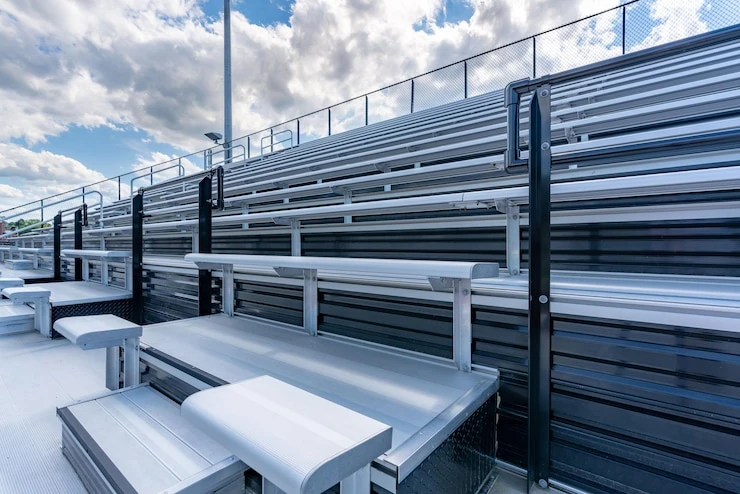
Visible Signs of Wear and Tear
One of the most obvious signs that it's time to replace your old bleacher planks is when you start to see visible signs of wear and tear. Common indicators include:
- Cracks and Splits: Wood and plastic planks are more susceptible to cracking over time, especially when exposed to the elements. Cracked planks not only look unsightly but also pose a safety risk.
- Warping and Bending: Wooden bleachers tend to warp when exposed to moisture and temperature fluctuations. Warped planks create uneven seating and can compromise structural integrity.
- Discoloration and Fading: While discoloration may not always affect the planks' functionality, it is its sign of material degradation. This is particularly common with wooden and plastic bleachers.
- Rust and Corrosion: Metal planks made from non-aluminum materials, like untreated steel, are prone to rust and corrosion. Rust weakens the planks and poses a significant safety risk.
If your bleacher planks show any of these signs, you should consider upgrading to aluminum. Unlike wood or untreated metals, aluminum bleacher planks are corrosion-resistant, crack-proof, and maintain their appearance for years.
Safety Concerns and Liability Risks
Regarding bleacher seating, safety should always be the top priority. Old, worn-out planks can lead to accidents and injuries, potentially exposing you to legal liabilities. Here, planks can become a safety hazard:
- Splintered Wood Planks: Wooden planks can develop splinters as they age, which can injure spectators, especially children.
- Loose Fasteners and Unstable Planks: Over time, fasteners that hold bleacher planks in place may become loose, leading to wobbly or unsteady seating.
- Slippery Surfaces: As wood and plastic degrade, they can become slick, especially in wet conditions, increasing the risk of slips and falls.
By switching to aluminum bleacher planks, you reduce these risks. Aluminum is not only weather-resistant but also slip-resistant. The material's texture provides a better grip, even in wet conditions. This upgrade can significantly enhance the safety of your facility and reduce your liability.
Increased Maintenance Costs
Maintenance costs are another clear sign that it's to replace your old bleacher planks with aluminum. Traditional wood and plastic planks require frequent upkeep to maintain appearance and functionality. Typical maintenance tasks include:
- Regular Painting and Sealing: Wood planks must be repainted or sealed periodically to protect against moisture, rot, and UV damage.
- Cleaning and Mold Removal: Wood and plastic planks are more likely to develop mold, mildew, and stains, which require regular cleaning.
- Replacing Broken Planks: Individual wooden planks may need to be replaced if they break or crack.
These maintenance tasks can become costly and time-consuming over time. Aluminum bleacher planks, on the other hand, require minimal maintenance. They are naturally resistant to rust, rot, and UV damage, meaning no more painting, sealing, or frequent cleaning. This reduction in maintenance needs can lead to substantial long-term cost savings.
The decline in Aesthetics and Visual Appeal
The appearance of your used aluminum bleachers for sale can impact how visitors, parents, students, and spectators perceive your venue. If your bleacher planks look old, faded, or damaged, they reflect poorly on your facility. Here'Here'sold planks can hurt your venuevenue'shetics:
- Faded and Discolored Planks: Constant sun exposure can fade wood and plastic planks, making them look aged and worn out.
- Peeling Paint and Surface Damage: Painted wooden planks can peel and chip, making the bleachers look neglected.
- Visible Rust on Metal Planks: Rusty steel planks look unattractive and signal a lack of upkeep.
Switching to aluminum bleacher planks offers a more modern, polished appearance. Aluminum maintains its shine and finish for years without requiring repainting. Its sleek, silver finish gives stadiums, schools, and event venues a professional, modern look that enhances the overall experience for spectators.
Need for Modernization and Compliance with Safety Standards
Outdated bleachers may no longer comply with modern safety standards set by organizations like the International Building Code (IBC) and the Consumer Product Safety Commission (CPSC). New regulations may require specific features, such as:
- Guardrails and Safety Barriers: Modern safety codes require bleachers to have guardrails to prevent falls from elevated seating.
- ADA Compliance: Ensuring wheelchair-accessible areas and appropriate seating arrangements is crucial for ADA compliance.
- Structural Integrity Checks: Safety inspections may reveal that older bleachers no longer meet the required load-bearing capacity.
You'll likely need to upgrade if your bleachers fail to meet theyouyour safety standards. Aluminum bleacher planks are often pre-engineered to meet or exceed modern compliance standards, making them a forward-thinking choice. Upgrading to aluminum helps your facility stay up-to-date with safety codes and regulations, ensuring a safer environment for everyone.
Benefits of Switching to Aluminum Bleacher Planks
Switching from old wooden, plastic, or steel planks to aluminum bleacher planks at Bleacher Builders comes with numerous advantages, including:
- Rust and Corrosion Resistance: Aluminum does not rust, even in wet or humid conditions.
- Low Maintenance: No need for painting, sealing, or frequent cleaning.
- Long Lifespan: Aluminum bleacher planks can last decades with minimal wear and tear.
- Safety Compliance: Meet or exceed modern safety standards and reduce liability risks.
- Enhanced Aesthetics: AluminAluminum's finish provides a modern, professional look.
Conclusion
Recognizing the signs that it's time to replace your old bleacher planks is essential for safety, aesthetics, and long-term savings. From visible wear and safety hazards to high maintenance costs and compliance with modern safety standards, the benefits of upgrading to aluminum bleacher planks are undeniable. If your facilifacility'shers show signs of age, now is the perfect time to make the switch. Aluminum planks offer superior durability, safety, and style, all while reducing maintenance costs and keeping your venue compliant with modern regulations. Investing in this upgrade will provide a more attractive and longer-lasting seating experience for your spectators. For more information on upgrading your old bleacher planks to high-quality aluminum, consider contacting a trusted supplier like Bleacher Builders. Their experts can help you find the perfect solution tailored to your needs and budget. Don't wait for an accident or repair—upgrade your seating now and enjoy the benefits for years.





















Sign in to leave a comment.