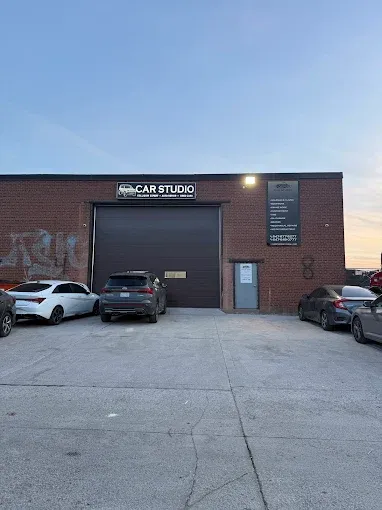

A vehicle collision is rarely just a mechanical issue—it is a deeply disorienting, high-stress experience that disrupts your daily routine and tests your peace of mind. Whether you have experienced a high-speed fender bender on Highway 410 or structural panel damage following an intersection collision in Peel Region, the immediate aftermath leaves most drivers feeling overwhelmed. In those critical moments, ensuring the physical safety of your passengers is paramount. However, once the initial shock subsides, your attention must turn to another urgent concern: restoring your vehicle to its pre-accident structural standard.
Beyond the aesthetic shell of your car lies a highly complex ecosystem of modern engineering. Luxury vehicles and modern high-end automobiles are built using lightweight alloys, specialized structural bonding agents, and intricate digital sensor suites. Treating repair work as a simple cosmetic touch-up can compromise the vehicle’s original safety parameters, lead to premature wear, and diminish its long-term market value.
Here are 5 critical factors every vehicle owner must consider when navigating post-accident vehicle restoration.
1. Demystifying Modern Unibody Architecture and Structural Alignment
When a vehicle suffers an impact, the damage visible to the naked eye—scratched clear coat, warped fenders, or misaligned bumpers—represents only a fraction of the structural dynamic. Contemporary automobiles are engineered using unibody construction (a design technique where the body structure and frame are built as a single unified cage, rather than placing a body onto a separate heavy frame).
This architecture relies on specialized safety components called crumple zones (front and rear structural areas specifically engineered to deform and absorb kinetic impact energy during a crash, keeping it away from the passenger cabin).
STRUCTURAL COLLISION IMPACT DYNAMICS
Primary Impact ---> Absorbed by Front/Rear Crumple Zones
Frame Displacement ---> Distributes Energy Away from Cabin
Sensors & Geometry ---> Requires 3D Laser Alignment & Recalibration
When an impact forces these zones to deform, internal stress spreads throughout the vehicle’s skeleton. If this frame displacement is not rectified with sub-millimeter accuracy, several secondary problems arise:
- Irregular Wheel Geometry: A frame shift of just two millimeters alters wheel alignment, causing uneven tire tread wear, suspension strain, and vehicle pulling during emergency braking.
- Cabin Integrity Vulnerabilities: Uncorrected metal fatigue reduces the cabin structure's rigidity, compromising passenger protection in future collisions.
- Door and Hatch Misalignment: Subtle frame twisting prevents weather seals from seating correctly, leading to wind noise and water intrusion.
Restoring these complex structural tolerances requires heavy-duty frame-straightening benches coupled with computerized 3D laser measuring technology. Partnering with the Best collision repair in Brampton, ON ensures your vehicle undergoes comprehensive digital measuring to return the frame to factory specifications.
2. OEM Certifications vs. Generic Restoration Standards
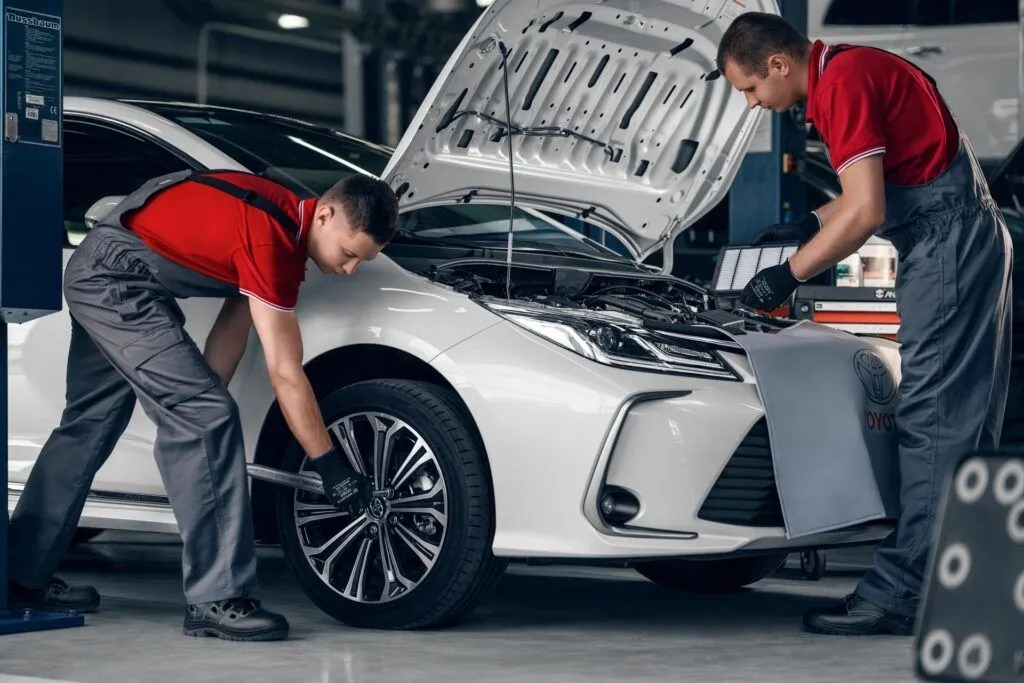
Not all auto repair environments operate under the same technical standards. Understanding the distinction between generic body work and OEM Certification (official authorization from an automotive manufacturer confirming a repair shop possesses the exact tools, machinery, and factory-trained technicians required to restore their brand) is vital.
1. Computerized Diagnostic & Frame Measuring
2. Structural Realignment (Laser Bench System)
3. OEM Component Replacement & Corrosion Protection
4. Multi-Coat Refinishing & ADAS Recalibration
Technical Standards & Repair Comparison
Understanding how luxury restoration compares to conventional auto repair helps clarify why specialized equipment, original components, and isolated environments are non-negotiable for modern vehicles:
| Repair Parameter | Standard Collision Repair | Luxury & High-Performance Vehicle Restoration |
| Body Construction | Mild Steel & Standard Unibody | Aluminum Alloys, Carbon Fiber & Ultra-High-Strength Steels |
| Frame Alignment | Mechanical & Standard Hydraulic Benches | Computerized 3D Laser Alignment Systems |
| Repair Environment | Open Bay & Standard Spray Booth | Dedicated Isolated Clean Rooms (Prevents Galvanic Corrosion) |
| Parts Utilization | OEM, Remanufactured, or Aftermarket | 100% Strict OEM (Original Equipment Manufacturer) Parts |
| ADAS Recalibration | Basic Sub-let Alignment | In-House Dual Static Target & Dynamic On-Road Calibration |
| Quality Guarantee | Basic Standard Warranty | Comprehensive Written Lifetime Finish & Structural Warranty |
The Hazards of Metal Cross-Contamination
High-end European and luxury vehicles increasingly utilize structural aluminum panels alongside high-strength steel to minimize weight. However, repairing aluminum requires strict environmental isolation. When steel dust particles settle on exposed aluminum, it triggers galvanic corrosion (a chemical reaction that occurs when two dissimilar metals come into contact in the presence of moisture, causing rapid structural deterioration).
Elite facilities maintain dedicated aluminum clean rooms equipped with independent extraction ventilation, specialized rivet guns, and dedicated MIG welders. Choosing certified specialists at the Best luxury car repair in Brampton, ON guarantees your high-performance vehicle is serviced in isolated clean rooms by Red Seal-certified technicians.
3. Recalibrating Advanced Driver Assistance Systems (ADAS)
Modern automotive safety relies heavily on electronic micro-sensors embedded beneath exterior body panels. Known collectively as Advanced Driver Assistance Systems (ADAS), these features include:
- Adaptive Cruise Control (ACC): Radar modules mounted behind the front grille that monitor trailing distances.
- Lane Keeping Assist (LKA): Optical cameras mounted behind the windshield that read road markings.
- Blind Spot Monitoring (BSM): Ultrasonic sensors housed inside rear quarter.
4. Navigating Ontario Insurance Claims and Legal Rights
Following a collision, car owners are often thrust into complex insurance negotiations. Understanding consumer rights within Ontario’s auto insurance framework helps prevent unnecessary financial stress and ensures high-quality repair standards:
- Right to Choose Your Repair Facility: Insurance representatives may suggest specific preferred vendors, but Ontario policyholders possess the clear legal right to select any accredited repair facility.
- Demand for OEM Parts: You have the right to request Original Equipment Manufacturer (OEM) parts rather than aftermarket alternatives, preserving your vehicle's factory warranty and crash-test ratings.
- Itemized Transparency: Prior to authorizing teardown work, request a comprehensive written estimate breaking down structural labor hours, paint materials, sublet calibration fees, and replacement parts.
5. Protecting Resale Value Through Documented Quality
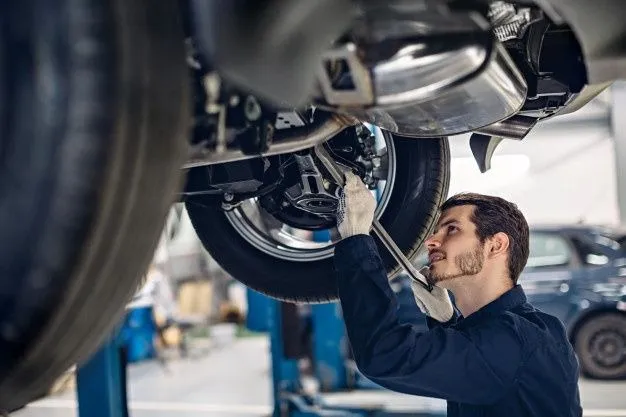
A vehicle’s repair history directly impacts its future market valuation. Subpar repairs such as overspray on rubber weather seals, uneven panel gaps, or mismatched paint metallic flakes signal past damage to potential buyers and dealerships.
To preserve your equity, insist on a comprehensive repair file upon completion. This file should contain before-and-after 3D computerized frame printouts, diagnostic scan reports showing zero fault codes, written paint warranties, and proof of original manufacturer part numbers. Documenting this level of care guarantees full transparency and protects your vehicle's resale value for years to come.
Conclusion
Navigating the aftermath of a road accident is undoubtedly taxing, but armed with clear technical knowledge, restoring your vehicle does not have to be an uncertain journey. By prioritizing unibody frame precision, insisting on OEM parts, insisting on thorough ADAS sensor recalibration, and working with certified auto collision specialists, you safeguard your personal safety, maintain your financial investment, and get back on the road with complete confidence.
Frequently Asked Questions (FAQs)
What is the difference between paintless dent repair (PDR) and traditional body work?
Paintless Dent Repair (PDR) is a specialized technique that removes minor dents, hail damage, and door dings without disturbing the factory paint finish. Technicians use custom hand tools to massage bent metal back into place from behind the panel. Traditional body work is necessary when the paint is deeply scratched, metal is creased, or structural panels require replacement, involving sanding, body fillers, primer, and multi-stage repainting.
How long does structural collision repair typically take?
Repair timelines vary based on damage severity, component availability, and insurance authorization steps. Minor cosmetic touch-ups or bumper replacements take 2 to 4 business days. Major collision restoration involving structural frame pulling, aluminum welding, paint curing, and electronic ADAS recalibration generally takes between 1 and 3 weeks.
Can I insist on OEM parts over aftermarket alternatives for my vehicle?
Yes, in Ontario, car owners have the right to request OEM components. While insurance policies vary regarding cost coverage for older vehicles, policyholders can choose to pay the difference if an insurer approves only aftermarket parts. For luxury marques or newer vehicles under manufacturer warranty, using OEM components is strongly recommended to protect crash safety ratings and vehicle resale value.
What is a post-repair diagnostic scan, and why is it necessary?
A post-repair diagnostic scan connects specialized software directly to your car’s electronic control unit (ECU) after body repairs are completed. This scan checks every safety sensor, airbag module, and radar unit for hidden diagnostic trouble codes (DTCs). It ensures that all electronic driver-assistance systems are error-free and fully functional before you drive away.




















Sign in to leave a comment.