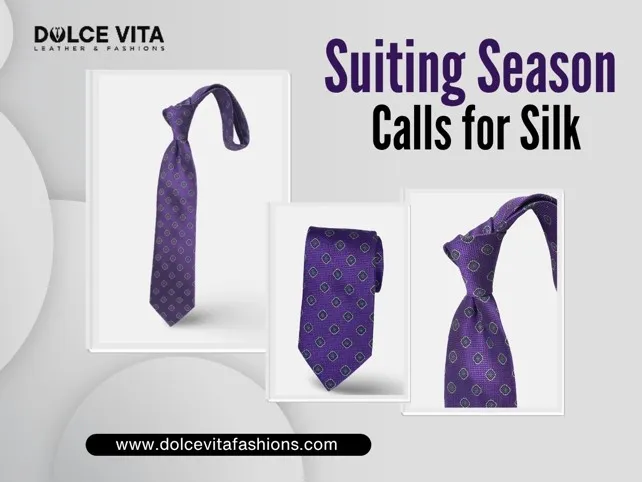

Silk ties have been part of men's formalwear for generations, and their patterns can change the look of an outfit just as much as their color. A small pattern can make a plain suit feel more interesting, while a bold design can become the main focus of your outfit. Men who buy silk ties online have plenty of choices, but knowing the basic patterns makes it much easier to pick the right one.
Stripes Keep Things Classic
Striped ties are one of the easiest patterns to wear. They have a clean, familiar look that works well for the office, business meetings, dinners, and many formal events. The stripes may run diagonally, vertically, or in different widths, but the overall effect stays neat.
A striped silk tie looks especially good against a solid shirt. Try a navy suit, white shirt, and a tie featuring blue and burgundy stripes. You can also wear a striped tie with a light blue shirt, but make sure the colors have enough contrast.
The stripe size matters too. Thin stripes usually create a quieter look. Wider stripes make the tie more noticeable. That simple difference can help you choose something that fits the rest of your outfit instead of competing with it.
Polka Dots Add a Small Detail
Polka dots can make a traditional outfit feel less serious without making it look casual. The dots may be tiny and closely spaced or larger and more noticeable. Smaller dots are usually easier to wear for business settings.
A navy silk tie covered in small white dots works almost like a wardrobe basic. Pair it with a gray suit and white shirt for a clean combination. A burgundy version can work nicely against a navy suit when you want a little more color.
Large dots need more care. They can look great for social events, but they may feel too playful for a very conservative office. Keep the rest of your outfit simple when the dots are doing most of the talking.
Paisley Brings More Personality
Paisley is probably one of the easiest tie patterns to recognize. Its curved shapes and detailed designs give it a richer appearance than simple stripes or dots. That makes paisley a good choice when you want your tie to stand out.
The key is balance. A detailed paisley tie already has plenty going on, so a plain dress shirt usually works best. Navy, burgundy, green, and brown paisley designs can all pair nicely with classic suits.
Try a burgundy paisley silk tie with a navy suit and pale blue shirt. The colors feel warm and confident without making the outfit too loud.
Paisley also gives you more room to show personal style. It can make an older, classic suit feel more current simply because the tie adds a different visual element.
Small Geometric Patterns Work Almost Anywhere
Geometric ties use shapes such as small squares, diamonds, circles, or repeated lines. They sit somewhere between a solid tie and a highly detailed pattern. That makes them useful for men who want more visual interest but do not want a very bold design.
This pattern works especially well for business-casual wardrobes. A small geometric design can look good under a blazer, but it can also fit a traditional suit.
A few easy combinations include:
- Small blue shapes on a burgundy tie with a gray suit
- Tiny geometric patterns on a navy tie with a charcoal suit
- Small diamonds on a burgundy tie with a navy blazer
- Subtle gray patterns against a blue shirt and dark trousers
Keep the scale in mind. Small shapes are easier to mix than large ones. If your shirt already has a strong pattern, a quieter geometric tie will usually create a cleaner result.
Floral Patterns Are Not Just for Casual Wear
Floral ties have become a useful option for men who want something different from the usual stripes and dots. They can range from tiny, almost hidden flowers to large designs that immediately catch attention.
The smaller versions are surprisingly easy to wear. A dark floral silk tie can look sharp against a white shirt and solid navy or gray suit. Larger floral designs are better suited to weddings, parties, dinners, and other social occasions.
Color makes a big difference here. A dark background keeps a floral tie looking refined. A lighter background creates a more relaxed appearance.
You do not need to match the flowers to anything else in your outfit. Pick one or two colors from the tie and repeat those shades subtly in your shirt, pocket square, or jacket. The result feels connected without looking overly planned.
How to Match a Pattern to Your Shirt
Tie patterns become easier once you understand one basic rule: do not let every part of the outfit compete for attention.
A patterned tie usually looks safest against a solid shirt. Patterned shirts can also work, but the designs should have different scales. For example, a shirt with thin stripes can pair nicely with a tie featuring larger dots.
Color matters too. Your tie does not have to match your shirt exactly. In fact, using a little contrast often makes the outfit look better.
A white shirt gives you the most freedom. Light blue is another easy choice. Once you become comfortable mixing those combinations, you can start trying patterned shirts and more unusual tie designs.
Think About the Occasion
The right pattern depends partly on where you plan to wear it. A conservative striped tie makes sense for an important business meeting. A small geometric pattern can work for everyday office wear. Paisley and floral designs give you more freedom for weddings, dinners, and social events.
That does not mean you need a separate tie for every occasion. A small collection of versatile patterns can cover most situations.
Start with a few dependable options:
- A striped silk tie for traditional outfits.
- A small-dot tie for easy everyday combinations.
- A paisley or geometric design for more personality.
- A floral tie when you want something less predictable.
Four good ties can give you far more options than a drawer full of ties you rarely wear.
What to Check When Buying a Silk Tie
Pattern should not be the only thing you consider. The fabric, construction, size, and finish all affect how the tie looks once you put it on.
A quality silk tie should feel smooth and hold its shape well. Check the width against the lapels on your suits and jackets. A very narrow tie can look out of place on a broad, traditional lapel, while a very wide tie may feel dated alongside a slim jacket.
Online shopping makes these details even more important. Product descriptions should clearly state the material and provide useful information about size and construction. That can help you make a smarter choice when you buy silk ties online, instead of judging the tie only from a product photo.
Build a Collection That Gives You Options
You do not need every pattern in the store. The goal is to own ties that give your existing clothes more combinations.
Stripes cover classic business looks. Dots bring subtle detail. Paisley adds character. Geometric designs give you a modern middle ground, while floral patterns offer something more expressive.
A good tie should make getting dressed easier, not harder. That is why choosing patterns based on your suits, shirts, and usual occasions is more useful than simply buying whatever catches your eye first. When you know what you are looking for, finding the best place to buy ties becomes much simpler too.



























Sign in to leave a comment.