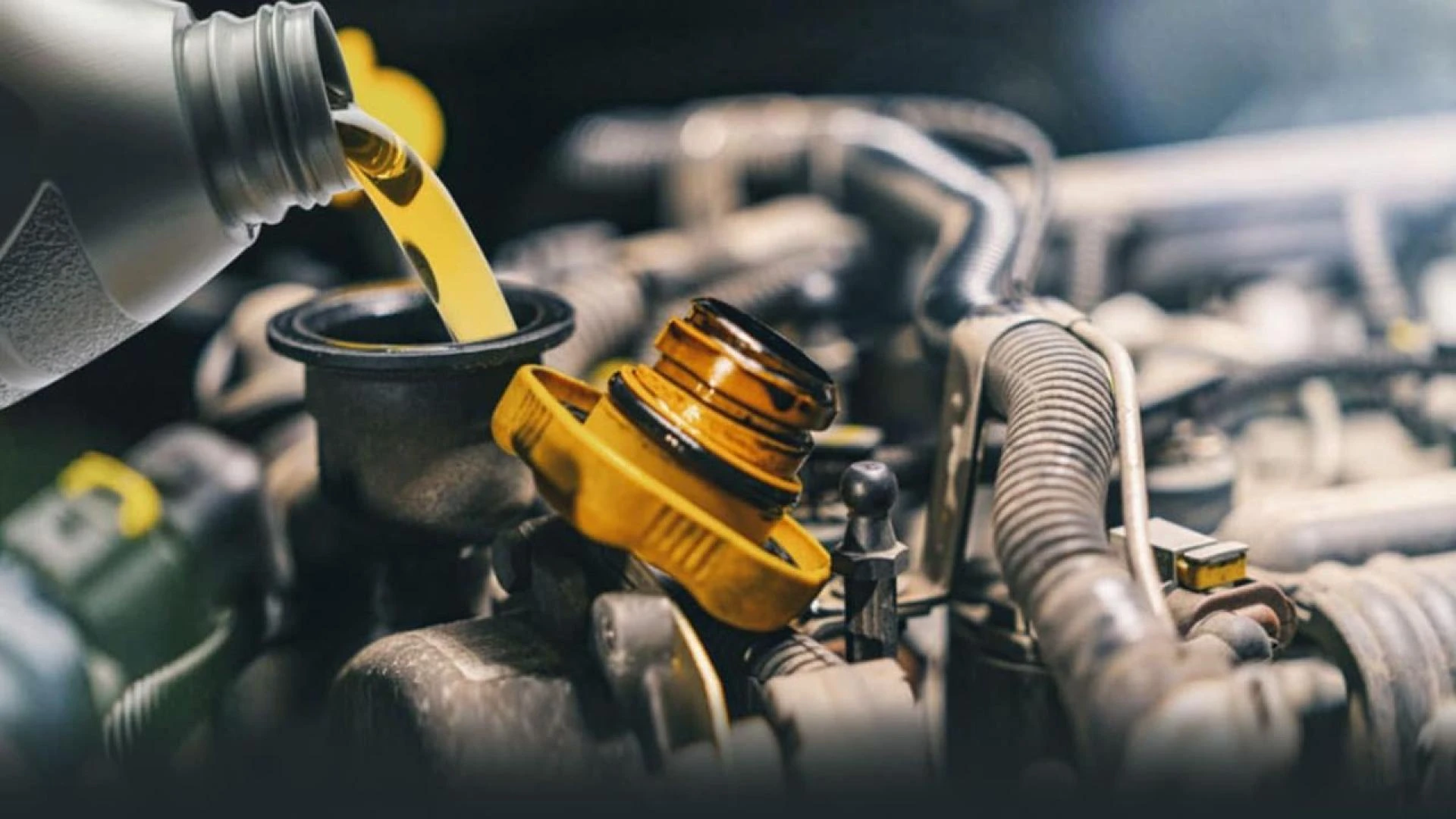

When it comes to keeping your car running smoothly, few things are as crucial as regular oil changes. Your car's engine, like the heart in your chest, relies on oil to stay healthy and perform optimally. In this article, we'll delve into five essential things you need to know about car oil change services.
Whether you're a seasoned gearhead or a casual driver, understanding these key points will help you maintain your vehicle's engine and keep it purring like a contented cat.
1. The Oil Change Frequency
One of the most common questions car owners ask is, "How often should I change my car's oil?" The answer isn't one-size-fits-all, as it depends on several factors. However, a general rule of thumb is to change your car's oil every 3,000 to 5,000 miles or every three to six months, whichever comes first.
Factors that can affect this frequency include the type of oil you use (conventional or synthetic), your driving habits, and the age of your vehicle. For instance, if you frequently engage in stop-and-go city driving, your engine may work harder and generate more heat, causing the oil to break down faster. In such cases, you may need to change the oil more often.
2. Choosing the Right Oil
When it's time for an oil change, the next big decision is selecting the right type of oil. There are two primary types to consider: conventional and synthetic.
Conventional Oil is the traditional choice and is derived from crude oil. It's perfectly suitable for most cars and offers reliable lubrication. However, it tends to break down more quickly under extreme conditions and may require more frequent changes.
Synthetic Oil, on the other hand, is engineered to withstand high temperatures and provides superior protection against engine wear. It's an excellent choice for high-performance vehicles and can extend the time between oil changes. However, it does come at a higher price point.
Your car's owner's manual is a valuable resource for determining the recommended oil type. It's essential to use the oil specified by the manufacturer to ensure optimal engine performance and longevity.
3. The Role of Oil Filters
Oil filters are unsung heroes in the oil change process. They play a vital role in keeping your engine clean and free from harmful contaminants. During an oil change, the old oil filter is typically replaced with a new one to ensure the filtration system works effectively.
A clogged or inefficient oil filter can lead to a host of problems, including reduced fuel efficiency and accelerated engine wear. To prevent these issues, make sure you choose a high-quality oil filter and change it with every oil change. It's a small investment that can have a significant impact on your engine's health.
4. The Importance of Proper Disposal
Changing your car's oil is a relatively simple process, but what do you do with the old oil? It's crucial to dispose of used motor oil properly to protect the environment and adhere to local regulations.
Never pour used oil down the drain or into the ground. This can contaminate water sources and harm wildlife. Instead, collect the old oil in a clean, sealed container and take it to a designated recycling center or an auto parts store that accepts used oil. Many locations offer free oil recycling services, making it easy for you to do your part for the environment.
5. DIY vs. Professional Oil Changes
Now that you know the basics of oil changes, you might be wondering whether to tackle the job yourself or leave it to the professionals. While changing your car's oil is a task that many car owners can handle, it's essential to consider your skill level, equipment, and the time you're willing to invest.
DIY Oil Changes: If you have some mechanical aptitude and access to the necessary tools, performing your oil changes can save you money and give you a sense of accomplishment. However, be sure to follow the correct procedure, dispose of the old oil responsibly, and use quality oil and filters.
Professional Oil Changes: On the other hand, having a professional mechanic change your oil ensures the job is done correctly. They have the experience and equipment to perform the task efficiently. Additionally, visiting a service center often comes with the benefit of a thorough vehicle inspection, which can catch potential issues early.
Ultimately, the choice between DIY and professional oil changes depends on your comfort level, available resources, and preferences. Whichever option you choose, maintaining a regular oil change schedule is essential for your car's health.
Conclusion: Keep Your Engine Purring
In summary, oil changes are a fundamental aspect of car maintenance that directly impacts the longevity and performance of your engine. Knowing when to change your oil, choosing the right type of oil, using quality filters, disposing of used oil responsibly, and deciding between DIY and professional service are the five key factors to keep in mind.
Your car's engine is the heart of your vehicle, and by taking proper care of it through regular oil changes, you ensure it stays healthy and reliable for many miles to come. So, don't neglect this crucial aspect of car ownership. Treat your car's engine with the care it deserves, and it will reward you with smooth rides and trouble-free journeys.











Sign in to leave a comment.