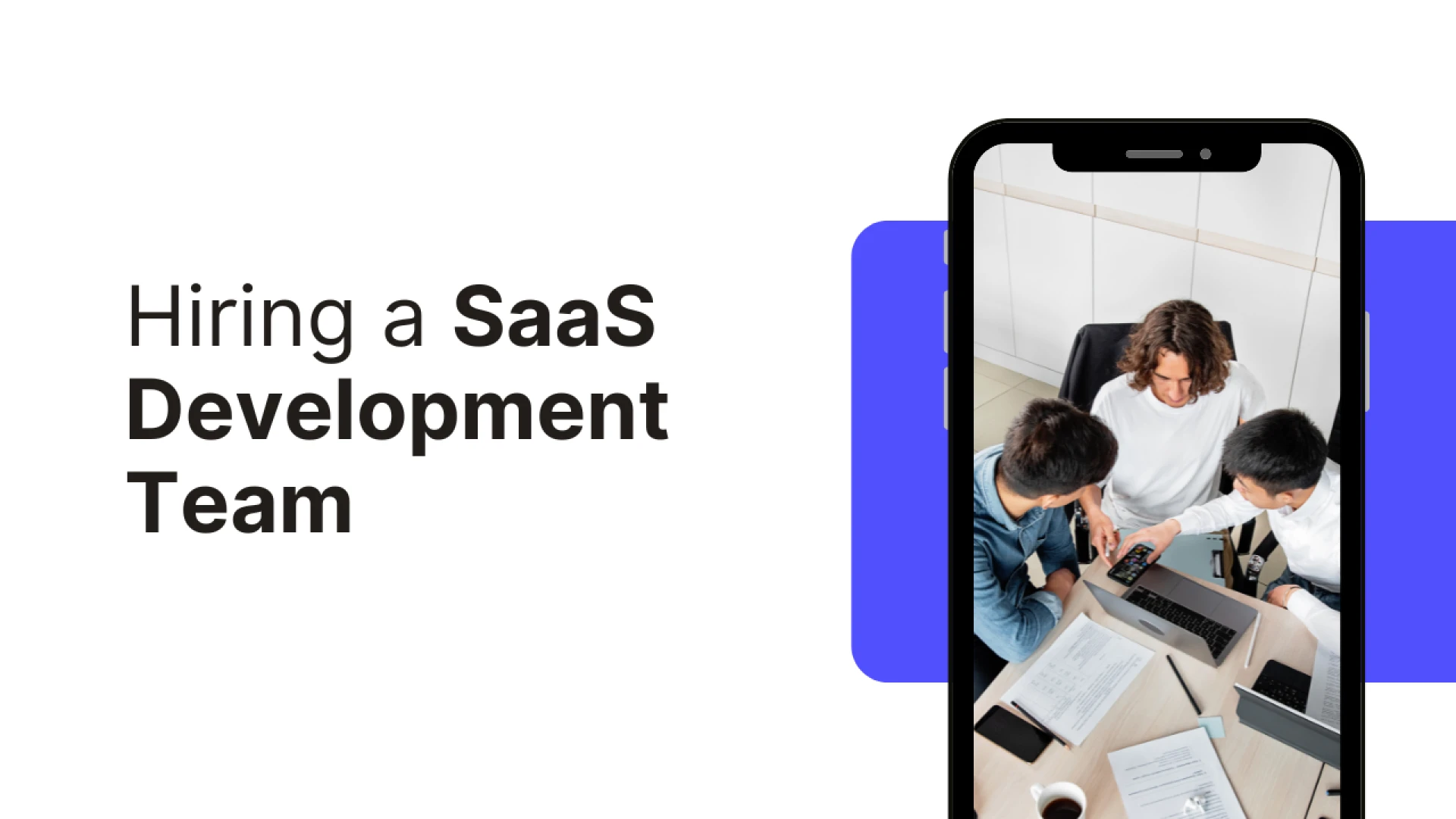

Today's digital-first economy relies heavily on Software-as-a-Service (SaaS) solutions, from eCommerce platforms to CRM platforms to finance management apps and collaboration suites. Cloud-based SaaS products are replacing traditional software products for modern user needs.
But behind every successful SaaS product is a highly skilled development team. Hiring the right SaaS development team can make or break your product. Whether you’re a startup founder with a disruptive idea or an enterprise seeking to expand your product suite, making informed decisions before hiring is crucial.
Let’s explore the five essential things you need to know before hiring a SaaS development team, along with real-world examples, industry insights, and what the future holds.
1. Not All Development Teams Are Built the Same
SaaS development isn’t just about writing code—it’s about understanding multi-tenant architecture, subscription models, cloud scalability, integrations, security protocols, and continuous updates. A team that’s great at building websites may not necessarily excel in SaaS product development.
What to look for:
- Specialized experience: Ask if they’ve worked on SaaS products before. Look for portfolios or case studies that show they’ve built or scaled similar platforms.
- Cross-functional expertise: SaaS success requires UI/UX designers, cloud architects, DevOps engineers, QA testers, and backend developers working cohesively.
Example: Slack, the widely used team collaboration tool, scaled efficiently due to a development team skilled not only in building messaging features but also in handling real-time data, user analytics, and integrations with third-party apps.
2. Understand Their Development Process and Methodologies
A well-structured development process can save you months of delays and thousands of dollars. Ask potential teams how they approach planning, design, development, testing, deployment, and maintenance.
Agile methodologies are preferred in modern SaaS development due to their flexibility and emphasis on iteration. This helps you launch a Minimum Viable Product (MVP) faster, get user feedback, and iterate without overhauling the entire system.
Why it matters:
- Reduces time-to-market
- Enhances adaptability to changing business needs
- Encourages transparency and regular client involvement
Tip: If the team works in two-week sprints, gives demos, and uses tools like Jira, Trello, or Asana, you’re probably dealing with professionals who understand the value of structured progress.
3. Security and Compliance Are Non-Negotiable
SaaS products store vast amounts of sensitive data, making them attractive targets for cyber threats. From customer details and payment information to proprietary business data, one breach can severely damage user trust and brand reputation.
Key considerations:
- Data encryption (both in transit and at rest)
- Role-based access control (RBAC)
- Secure authentication protocols (OAuth 2.0, two-factor authentication)
- Regular security audits
Compliance matters too. Whether it’s GDPR, HIPAA, or SOC 2, your SaaS product must align with regulations depending on your industry and user base.
Real-world lesson: In 2022, a misconfigured database exposed millions of records from a leading SaaS HR platform. The fallout? Lawsuits, lost customers, and a damaged reputation. Don’t let your product be the next cautionary tale.
4. Scalability and Future-Proofing Must Be Baked In
SaaS development isn’t a one-and-done project. You must think long-term—can your platform scale to support thousands (or millions) of users? Can it handle feature additions, integrations, or even rebranding down the line?
Ask the team:
- How do you approach horizontal and vertical scaling?
- What cloud infrastructure do you recommend—AWS, Azure, Google Cloud?
- Will the codebase support modular upgrades?
Pro Tip: Microservices architecture is gaining popularity for SaaS products. Unlike monolithic architecture, microservices break your platform into independent modules, making it easier to scale and update.
Statistic: According to a 2024 report by Statista, the SaaS market is projected to reach $232 billion by 2026, driven by scalable and adaptable platforms. Make sure your dev team is building with the future in mind.
5. Communication and Transparency Are Critical for Success
Many SaaS teams operate remotely or across time zones, especially if you’re hiring an offshore or hybrid development agency. That’s not a problem—unless communication gaps occur.
Questions to ask upfront:
- What are your working hours and time zone?
- How do you handle project updates—daily standups, weekly demos?
- Who will be my main point of contact?
Look for teams that emphasize collaboration tools like Slack, Zoom, GitHub, and Notion. Transparency around delays, bugs, or changing requirements is a sign of a team you can trust.
Red flag: If the team hesitates to provide timelines, documentation, or version control protocols—proceed with caution.
Invest Smart, Build Right
You should hire a SaaS development team that will not only impact your product, but also your brand, your users, and your bottom line. Take time to vet potential teams thoroughly. Look beyond cost—consider expertise, communication, scalability, and security.
The SaaS future is bright, with AI integration, low-code/no-code tools, and automation redefining user expectations. Partnering with the right team ensures your product isn’t just keeping up but staying ahead.
So before you sign the contract, remember: a great product starts with a great team.
Quick Recap:
- ✅ Hire teams with real SaaS experience
- ✅ Prioritize Agile processes and MVP-first strategies
- ✅ Don’t compromise on security and compliance
- ✅ Ensure your product is built for scale and adaptability
- ✅ Demand clear, consistent communication throughout the project
Whether you’re launching the next big thing or modernizing your current platform, knowing these five essentials will set you on the path to SaaS success.























Sign in to leave a comment.