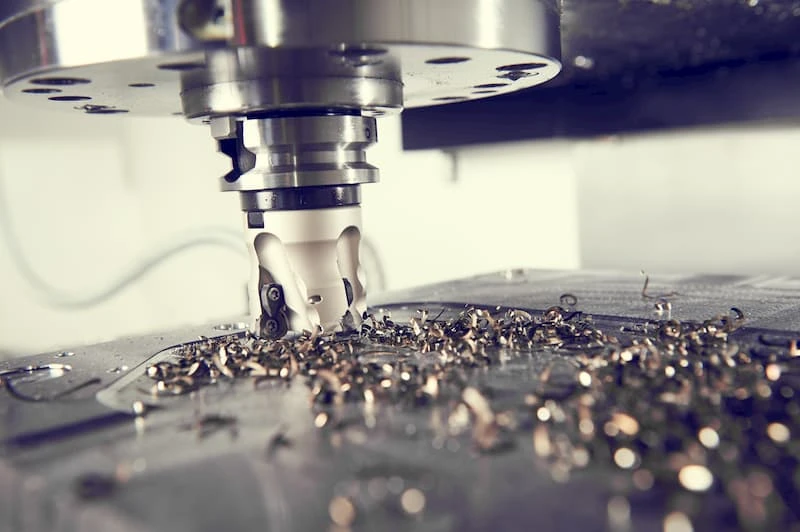

During the machining process using a CNC milling machine, it is possible that we encounter a problem that makes it difficult to achieve a quality finish on our parts. Most of the time it is because, being machines, they simply fail. It is not always due to poor quality or poor assembly. If after a couple of years, the machine begins to fail, there are errors that are the result of wear, and it is not only mechanical but there may also be electrical failures.
Although our recommendation is that you put the revision of the machine in the hands of an expert to find the fault, in this article we are going to explain what the most frequent problems and breakdowns in milling machines may be. Visit also: CNC machine parts
FAULTS IN CNC MILLING MACHINES
Electrical failures and component failures are the most common reasons why a milling machine can fail. It should be noted that these factors can be due to many reasons, but especially they tend to be related to poor manufacturing, lack of maintenance, poor use, poor quality of the parts that make it up, or due to planned obsolescence.
On some occasions, we have talked to you about the risk of buying machines in China. Although they can be very inexpensive. But keep in mind that this means that you do not have an official technical service nearby and that any need for spare parts takes much more time. In the end, the cheap ends up being expensive. Not all Chinese machines are synonymous with poor quality, just keep in mind the complications that may arise after the sale and in the maintenance of your milling machine.
5 QUESTIONS TO KNOW IF YOU NEED ASSISTANCE WITH A CNC MILLING MACHINE
Almost all the breakdowns to which these questions answer can be managed without the need for face-to-face technical assistance, it also gives us a basis to see which way to go when solving the incident.
1. Does the machine turn on?
If it turns on we would go to the next question. If it does not turn on directly, it will be diagnosed at an electrical level.
2. Does it give an error message?
Normally, it will appear on the remote or computer screen. The idea would be to take a photo of the error message and pass it on to the technical service to be able to solve it, either remotely or by phone.
3. Does the machine look for the origin, make the Home, or move?
In the vast majority of milling machines, an error message will appear if it does not move. At this point, it is necessary to try to be as descriptive as possible with the fault of the problem.
4. What action leads to the judgment?
It can appear every time you try to turn on the chuck or move the bridge of the machine back, for example. Describing the action will help us to become aware of the type of failure that will result.
5. Is the milling machine capable of executing a file?
When the machine tries to execute a file, it gives an error. Be as specific as possible with this error.
With all these questions, we can know if the fault will have a relatively quick solution or will require a deeper intervention, either in a machine that you use frequently or in a disabled machine. For more details, please visit: https://www.abdultraders.com/











Sign in to leave a comment.