
We are all aware of how many environmental, economic, and social issues there are in the globe. Few of us are aware that a large number of these problems stem from the absence of visibility and openness in today's supply chains at every point of the process, from raw materials to finished goods.
Fake pharmaceuticals, defective medical equipment, tainted food, and unsustainable sourcing methods endanger public health, squander finite natural resources, undermine customer trust, and damage brand reputation.
Even less well recognised is the reality that modern technology has the power to lessen these problems and create a safer, more sustainable environment for all. More specifically, digital traceability software enable us to build smarter supply chains that can track, trace, and authenticate anything from catheters to coffee beans.
What Is Traceability?
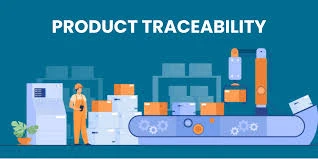
The ability to use recorded identification to confirm an item's history, location, or condition is known as traceability. Ensuring that items, from consumer goods to sophisticated medical equipment, have unique identities through serialisation, smart manufacturing, and traceability is the first step towards full end-to-end supply chain visibility. Products' pedigrees are revealed by the data generated by tracking them, which also offers a plethora of information that both businesses and customers may utilise to make more informed decisions.
Disruptive technologies can elevate traceability systems to a new level by establishing direct connections between producers and end users and providing comprehensive reports on the status and movements of any product. Examples of these technologies include artificial intelligence, the Internet of Things, blockchain, and collaborative platforms.
Using data management and analytics, traceability evaluates the effectiveness of the supply chain process from the point of sale to the customer and beyond, identifying any successes or failures.
Stakeholders may exchange and enhance acquired data by using data-centric traceability systems, as information can be cross-referenced with linked systems at any point in the supply chain.
According to the Public Health Agency of Canada, traceability would have made it possible to immediately identify and conduct a comprehensive tracing of all romaine lettuces that were affected during the 2017 E. coli outbreaks. The fact that all lettuces in this instance had to be recalled rather than just the contaminated ones shows how inadequate the monitoring and tracing procedure was at the time. A more thorough, accurate, and responsible traceability system would have provided significant product visibility and contributed to the whole supply chain's increased security.
A Safer, More Sustainable World
Any industry may adopt traceability. Legislation, such as the US Drug Supply Chain Security Act (DSCSA) and the EU Falsified Medicines Directive (EU FMD), actually mandates it for specific industries, including the pharmaceutical one. The following five applications of traceability systems lead to a more sustainable and safe world:
1. Pharmaceutical Industry
An estimated 11% of medications in underdeveloped nations are fake, according to WHO estimates, while Newsweek published a story in 2015 stating that “drugs that have been falsified cause death to anywhere between 100,000 and a million people annually.”
It is inevitable for recalls to occur when a product is found to be hazardous, tampered with, contaminated, or counterfeited. The process is optimised by traceability. We can locate products and retrieve just defective products—rather than the full batch—by using serialised items and data reporting. This results in quicker and more effective recall handling and a decrease in financial losses.
Pharmaceutical product traceability offers potentially life-saving information such as instantaneous warning of any non-conformities, status confirmation and expiration date, alarms about counterfeiting, and more. Additionally, it guarantees effective waste management and streamlines workflow, freeing up staff members' time to concentrate on patient care.
Traceability offers new means of connecting and communicating with the end user, which can help pharma innovate when paired with other disruptive technologies. Pharma businesses, for instance, may employ a chatbot to check that a patient has taken the prescribed amount or to provide instructions about how to use a drug when a client scans a product. In addition to fostering a stronger relationship with the end user, this guarantees safe pharmaceutical use.
2. Medical device industry
The International Consortium of Investigative Journalists (ICIJ) "Implant Files" research exposed the misery that defective medical devices bring to people.
Traceability gives insight into each and every event that occurs across the supply chain, enabling one to determine whether a medical gadget is faulty or fake. In addition to helping medical facilities keep track of their stock, product traceability enables physicians and surgeons to fully understand the history of the devices they are implanting in their patients.
A traceability system will notify the user at any point in the supply chain in the event that a device is recalled, preventing a potentially hazardous or even fatal scenario before it arises. Because no doctor would want to take a chance by providing a patient a faulty or outdated product, traceability is essential.
3. Food and beverage industry
When a food safety concern arises, traceability may help make public health, prevention, preparedness, and remedial efforts more transparent. Consider the well-known melamine crisis in China, when infant formula and milk products were combined with plastic resin that contained nitrogen to simulate a high protein content. Traceability may have helped solve this well-known case, sparing the lives of the 294,000 impacted children, the more than 50,000 hospitalised, and the six children who lost their lives.
Due to the lengthy and intricate supply chain of the food and beverage sector, there is an increased danger of food-borne infections including salmonella, listeria, and E. Coli when there is a lack of visibility. Food manufacturers, merchants, and consumers all have a right to know every detail about the food they produce, including where and how the ingredients were processed, how and when they were sourced, and more. Traceability can alleviate possible risks and impacts while offering solutions.
4. Natural resources industry
The natural resources sector is facing mounting pressure to guarantee the security of raw materials, increase transparency about product provenance, and raise awareness of the environmental effects of mining, forestry, agricultural, and animal operations. The lack of resources has also made improved administration necessary in order to maximise time and resources, prevent losses, and lower risks.
When producers and customers are aware of the origins of the raw materials used in their goods, everyone wins. If counterfeiting happens, tracking this data—as well as who made the items and how they were made—becomes much more important and helps to find solutions for the problems.
5. Traceability for a more sustainable world
Traceability not only helps businesses to ensure fair and sustainable trade, maximise the use of resources, make it easier for materials to be reused, authenticate goods, and take control of their carbon footprints. The foundation of product life-cycle analysis is end-to-end traceability, which enables comprehension and management of any kind of product's social and environmental effects.
Traceability is the catalyst for an intelligent global supply chain that is safer, more intelligent, and fully linked for every product, sector, and level. It's the secret to a world that is more sustainable.
Conclusion
The implementation of traceability measures plays a pivotal role in fostering a more certain and sustainable world. By providing transparency in supply chains, traceability ensures accountability, reduces the risk of fraud, and enhances the quality and safety of products. It empowers consumers to make informed choices, encourages ethical and sustainable practices, and contributes to the overall resilience of industries.









Sign in to leave a comment.