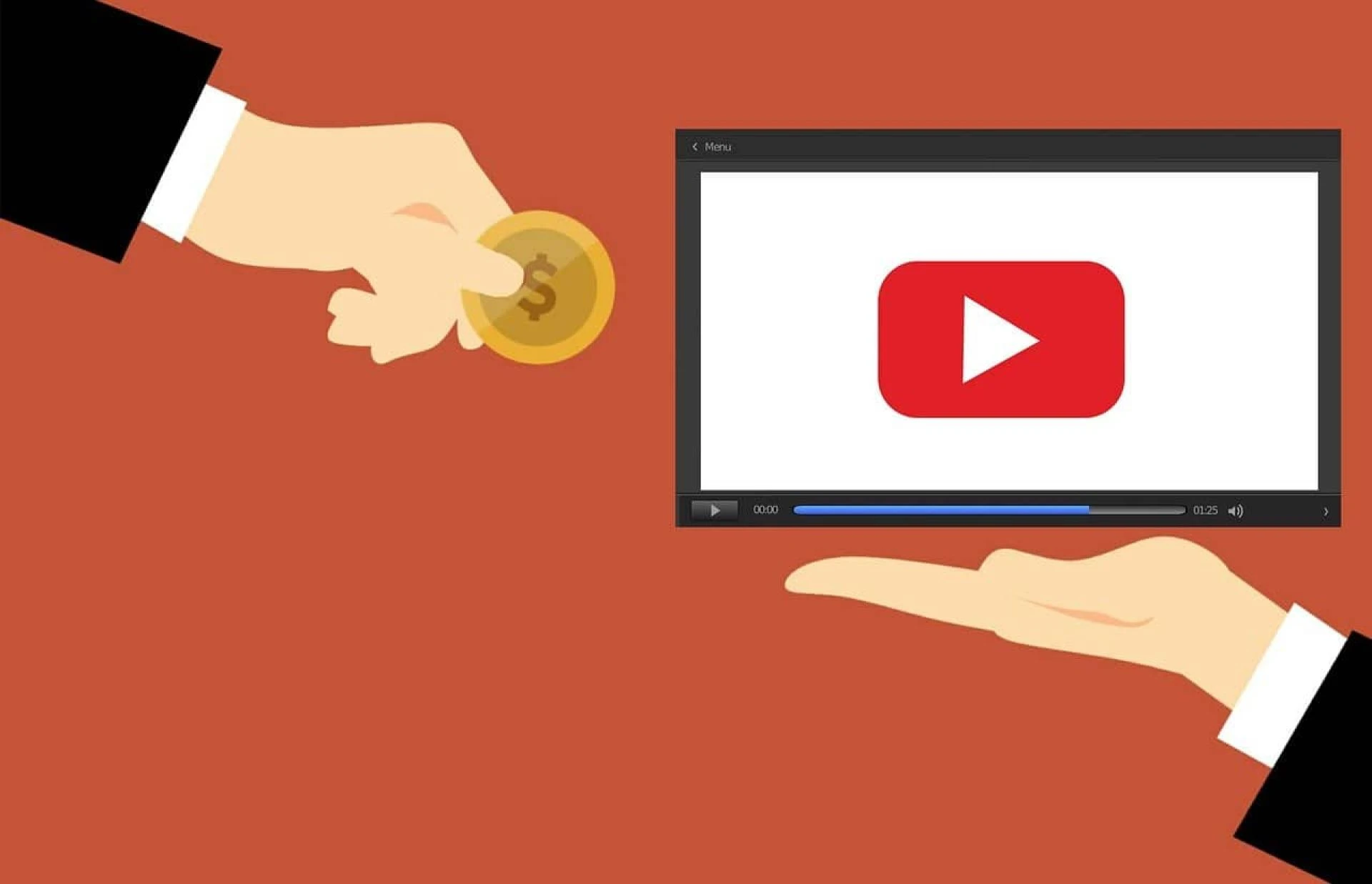

A YouTube audience is a valuable asset, but how can you start to make money from the people who watch your content and subscribe to your channel?
As you move from editing your YouTube videos on your iPhone to a channel that makes money from high-quality content, you need to explore all the options available.
There are plenty of ways to monetize your YouTube content, and we're going to look at:
Making money from your audience on other platforms.Monetization options that are directly through YouTube.Examples of creators using these techniques successfully.Let's jump right into it.
Table of Contents
Method #1: Build a Video Membership Site
Method #2: Get Sponsorships for Your Content
Method #3: Leverage YouTube Advertising
Method #4: Use YouTube Channel Memberships
Method #5: Make & Sell Your Own Merch
Method #1: Build a Video Membership Site
Creating a successful YouTube channel is a great achievement, we know the challenges involved!
Of course, with the hours you put into making and promoting your vlogs and other content, you want a way to get paid.
The number one way to monetize your YouTube videos is to create a video membership site so your fans can pay you for access to your content.
Keep your YouTube channel active and post your normal content there, then direct your top fans over to your video membership site to access your premium videos.
You can sell your videos by subscription, which works well for content like:
Educational contentYoga classesExercise classesEntertainment channelsMusic videosOr you can choose to sell individual videos - great for filmmakers - or bundles of videos that work well for teaching a particular skill.
You're able to secure a stable income and connect with your audience on a deeper level when they're interacting with you on your own website.
Here's an example of successful YouTube creators using this monetization method.
Example: Boho Beautiful
Image Source: YouTube
Boho Beautiful is run by a couple who travel the world vlogging about yoga, wellness, and veganism.
They've grown their YouTube channel to have more than 2 million subscribers.
Image Source: Boho Beautiful
Along with the free content on YouTube, the pair at Boho Beautiful run their own website that hosts yoga, meditation, and fitness videos.
These videos are exclusively for members who pay a monthly fee to access the site.
The second way to monetize your YouTube channel is coming up next.
Method #2: Get Sponsorships for Your Content
When you're a successful influencer with a strong presence on YouTube, companies can ask to work with you and sponsor your content.
The standard rate for a sponsored video is roughly $20 per 1000 subscribers, but this could be higher if you're successful in a very specific niche.
Be sure to accept sponsorship from relevant brands and companies with products that you genuinely believe in.
Brands will be looking to engage with audiences - they may be targeting "Gen Z" or wanting to reach people interested in healthy lifestyles, for example.
Having a strong niche, like gaming, beauty, electronics, or digital marketing, will make your channel more likely to be successful in getting sponsored.
To get started, you may be approached by a brand that wants to appeal to your audience, but you can also pitch the brands that you think will be a good fit for the content that you make.
Here's one example of an influencer teaming up with a brand.
Example: Chriselle Lim
Image Source: YouTube
Chriselle Lim is an American-Korean lifestyle and beauty blogger and vlogger.
She creates a range of fashion and beauty content on her YouTube channel, including bringing in her kids and mother to some videos.
In the screenshot, you can see Chriselle and her mother sharing Korean beauty tips in a video that's sponsored by the brand Pyunkang Yul.
It's a Korean company that distributes in the USA so is a perfect match for the content she makes and will resonate with her audience.
Method #3: Leverage YouTube Advertising
When your YouTube channel hits a certain level, you can get paid a cut from the advertising that runs on your content.
This includes the pre-, mid-, and post-roll adverts that your viewers see on your videos.
To be eligible for monetization through ads, you need to:
Comply with the YouTube channel monetization policies.Live in a country that's eligible for monetization.Have no strikes under the YouTube Community Guidelines.Have at least 4,000 hours of valid watch hours in the last 12 months.Have at least 1,000 subscribers.Have a valid AdSense account.You can choose where in your content the ads go and are able to block certain companies from advertising on your videos.
How much money you can make through YouTube ads can vary widely, with creators reporting income ranging from $3,400 to $40,000 for a video with 1 million views.
Let's see how it works in practice.
Example: FortNine
Image Source: YouTube
FortNine makes motorbike-related content, with product reviews as well as educational content about bike safety and maintenance.
Videos on the channel regularly achieve hundreds of thousands of views and there tend to be adverts running before viewers get to watch the content, as you can see in the screenshot above.
We can't be exactly sure how much revenue FortNine brings in from advertising revenue, but with viewer numbers like that, it should be a decent amount.
Our fourth monetization method is coming up.
Method #4: Use YouTube Channel Memberships
YouTube launched channel memberships as a way for creators to get paid a monthly income from their fans directly on the site.
Channel memberships arrived on the platform in 2018 and you keep 70% of your revenue after taxes.
To be eligible for channel memberships, you need to:
Already be part of the Partner Program, which we looked at a moment ago.Be over 18 years old and not making content marked as for kids.Have a Community tab on your channel.Not have too many ineligible videos - ones for kids or with music claims against them.Comply with YouTubes policies.Once you're eligible, you can set different tiers of membership and offer a variety of benefits, including:
Live chats.Exclusive videos.Member badges and emojis.Discount codes.It's worth noting that, although this is a useful revenue stream, the cut that YouTube takes from your memberships can be much higher than the cost to run your own membership site that has your own branding and community.
That being said, let's look at a YouTuber making a success of their channel memberships.
Example: PrinceCharming
Image Source: YouTube
PrinceCharming creates gaming-related content on YouTube and has nearly 900,000 channel subscribers.
He offers 4 tiers of membership, offering perks including member badges, live chat emojis, the chance to play video games with him, and being friends with him on the games he plays.
At the top level, members get all of this plus they get shoutouts in the videos he makes.
As well as having the income from memberships, he can ensure that people engage with his content because they're paying to get perks when they watch.
Another YouTube audience monetization option is coming up.
Method #5: Make and Sell Your Own Merch
A strong brand on YouTube means that you can create and sell your own merchandise, helping you to engage with your fans offline, too.
The option to sell merch directly on your YouTube channel was added at the same time as channel memberships.
Called the Merch Shelf, you get a Store tab on your channel and under some of your videos, with the option to display up to 12 items at any one time.
The eligibility criteria for selling merch on YouTube are:
Be eligible for YouTube monetization.Be part of the YouTube Partner Program.Be an Official Artist Channel, or have more than 10,000 subscribers.Not make content that's marked as Made for Kids.Not have a lot of videos go against the YouTube Monetization Policy.Not have any Hate Speech strikes under the Community Guidelines.If your channel doesn't meet these criteria or you'd rather run your own operation, you can choose an eCommerce platform to sell the merchandise you create.
To make a success of your merch, you need to choose trending products like t-shirts, hoodies, wall art, and hats, for example.
Listen to your audience to understand what merch will work for them and the type of branding and logos they want to see.
We've got an example of a channel selling merch successfully, next.
Example: Vsauce
Image Source: Vsauce
Vsauce produces science education videos across three different channels.
The topics can be a bit off the wall and videos aim to answer curious questions, with viewer numbers regularly hitting many millions.
To capitalize on this popularity, Vsauce has a merch shelf where it sells science-related products like Puzzle Bundles and Experiment Bundles.
The merch is well-targeted and clearly related to the type of content Vsauce produces, meaning subscribers are very likely to buy it.
That's all our monetization methods, so let's bring this to a close.
Now Over to You
That's your five tried and tested YouTube monetization models.
It is possible to earn extra income directly on the YouTube platform, through advertising, memberships, and merch.
However, some of the most successful creators find success directing their audience to their own website that offers exclusive, premium content and products.
You can easily mix and match these options and generate multiple revenue streams.
Choose an option to start with and build out your monetization from there!









Sign in to leave a comment.