
Introduction
The advent of 5G technology is reshaping the global telecommunications landscape, promising unprecedented speeds, lower latency, and massive connectivity. At the heart of this revolution lies the 5G infrastructure market, a burgeoning sector driving innovation and economic growth. This article delves into the intricacies of the 5G infrastructure market, exploring its key components, drivers, challenges, and future prospects.
Understanding 5G Infrastructure
5G infrastructure encompasses a complex network of hardware and software components designed to deliver high-speed, low-latency wireless communication. It comprises several key elements:
- Radio Access Network (RAN): The interface between user devices and the core network, responsible for signal transmission and reception.
- Core Network: The central intelligence of the 5G network, handling data routing, authentication, and service provisioning.
- Transport Network: The backbone that connects different parts of the 5G network, ensuring seamless data flow.
- Spectrum: The radio frequency bands used for 5G communication, crucial for network capacity and speed.
Market Drivers
Several factors are propelling the growth of the 5G infrastructure market:
- Increasing Data Consumption: The exponential growth in data usage driven by streaming services, online gaming, and IoT applications is fueling demand for high-speed networks.
- Digital Transformation: Industries across sectors are embracing digital technologies, necessitating robust 5G infrastructure for automation, remote operations, and data-driven insights.
- Government Initiatives: Governments worldwide are investing heavily in 5G infrastructure to boost economic growth, improve digital literacy, and enhance public services.
- Technological Advancements: Continuous innovation in areas like virtualization, cloud computing, and artificial intelligence is enabling the development of advanced 5G solutions.
Market Challenges
Despite the promising outlook, the 5G infrastructure market faces several challenges:
- High Deployment Costs: The deployment of 5G infrastructure requires substantial investments in network equipment, spectrum acquisition, and site acquisition.
- Spectrum Availability: Limited availability of suitable spectrum frequencies can hinder 5G network deployment and performance.
- Network Slicing: Implementing network slicing, which involves dividing the network into virtual slices for different services, presents technical and operational complexities.
- Cybersecurity Threats: The increased connectivity and data volumes associated with 5G networks make them vulnerable to cyberattacks, necessitating robust security measures.
Market Segmentation
The 5G infrastructure market can be segmented based on various factors:
- By Component: RAN, core network, transport network, spectrum
- By Deployment Type: Standalone, non-standalone
- By Frequency Band: Low-band, mid-band, high-band
- By Geography: North America, Europe, Asia Pacific, Latin America, Middle East, Africa
Key Market Players
The 5G infrastructure market is dominated by a handful of global technology giants and telecom equipment manufacturers, including:
- Huawei
- Ericsson
- Nokia
- Samsung
- ZTE
These companies are investing heavily in research and development to stay ahead of the competition and capitalize on emerging 5G opportunities.
Market Trends
Several key trends are shaping the 5G infrastructure market:
- Open RAN: The adoption of open radio access network architecture is gaining traction, promoting vendor diversity and reducing costs.
- Private 5G Networks: Enterprises are increasingly deploying private 5G networks to enhance operational efficiency and security.
- Edge Computing: The integration of edge computing with 5G infrastructure is enabling low-latency applications and real-time data processing.
- Satellite Integration: The convergence of 5G and satellite technologies is expanding network coverage to remote and underserved areas.
Future Outlook
The 5G infrastructure market is poised for significant growth in the coming years, driven by the proliferation of connected devices, the rise of emerging technologies like augmented reality and virtual reality, and the increasing demand for high-speed connectivity across industries. As the market matures, we can expect to see further advancements in network performance, cost reduction, and new use case development.
Conclusion
The 5G infrastructure market is at the forefront of technological innovation, transforming the way we communicate, work, and live. While challenges remain, the potential benefits of 5G are immense, promising to drive economic growth, improve quality of life, and create new opportunities for businesses and individuals alike.
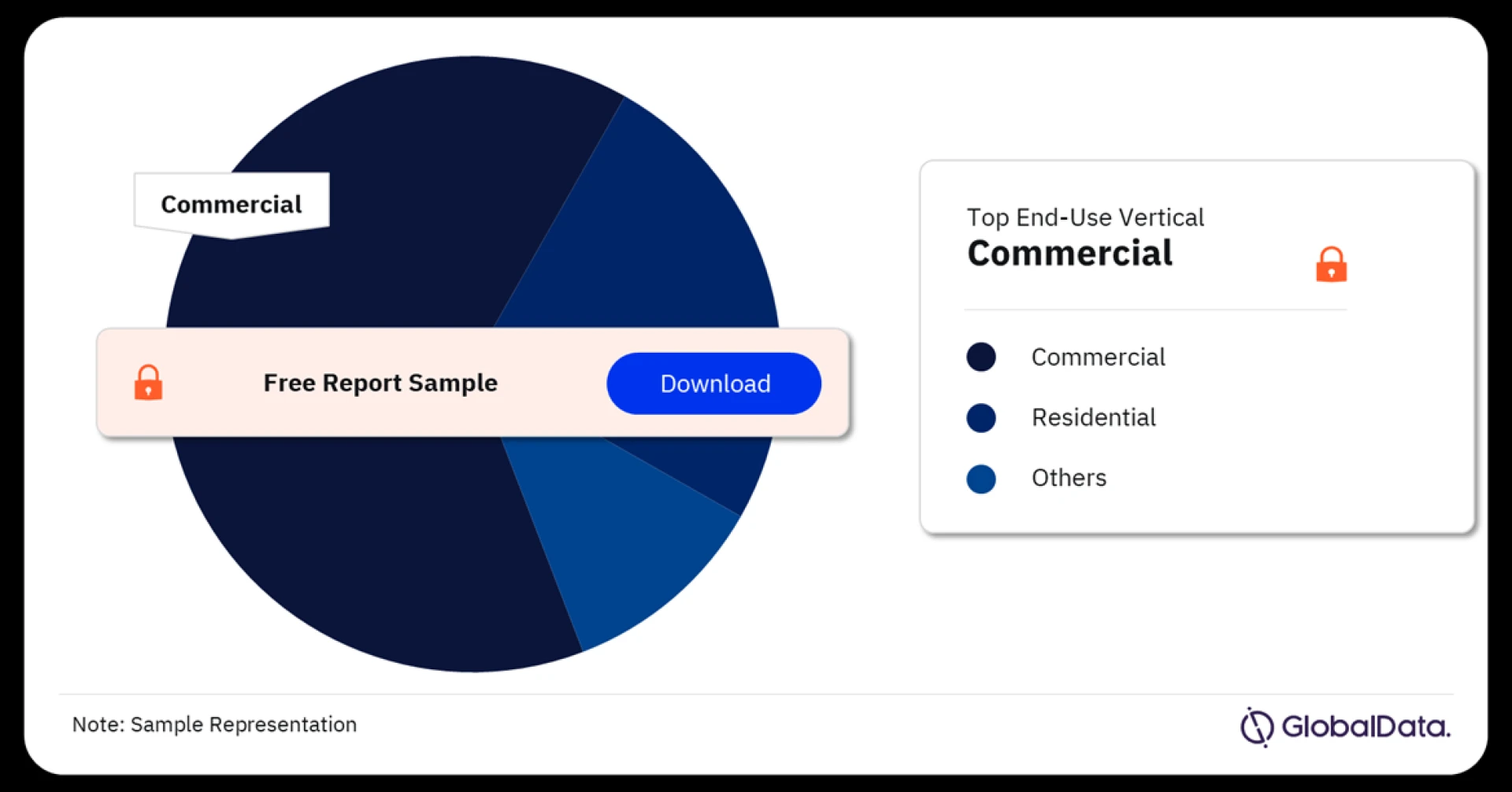
Buy the Full Report for More Insights on the Key End-user Verticals of the 5G Infrastructure Market, Download a Free Report Sample




















Sign in to leave a comment.