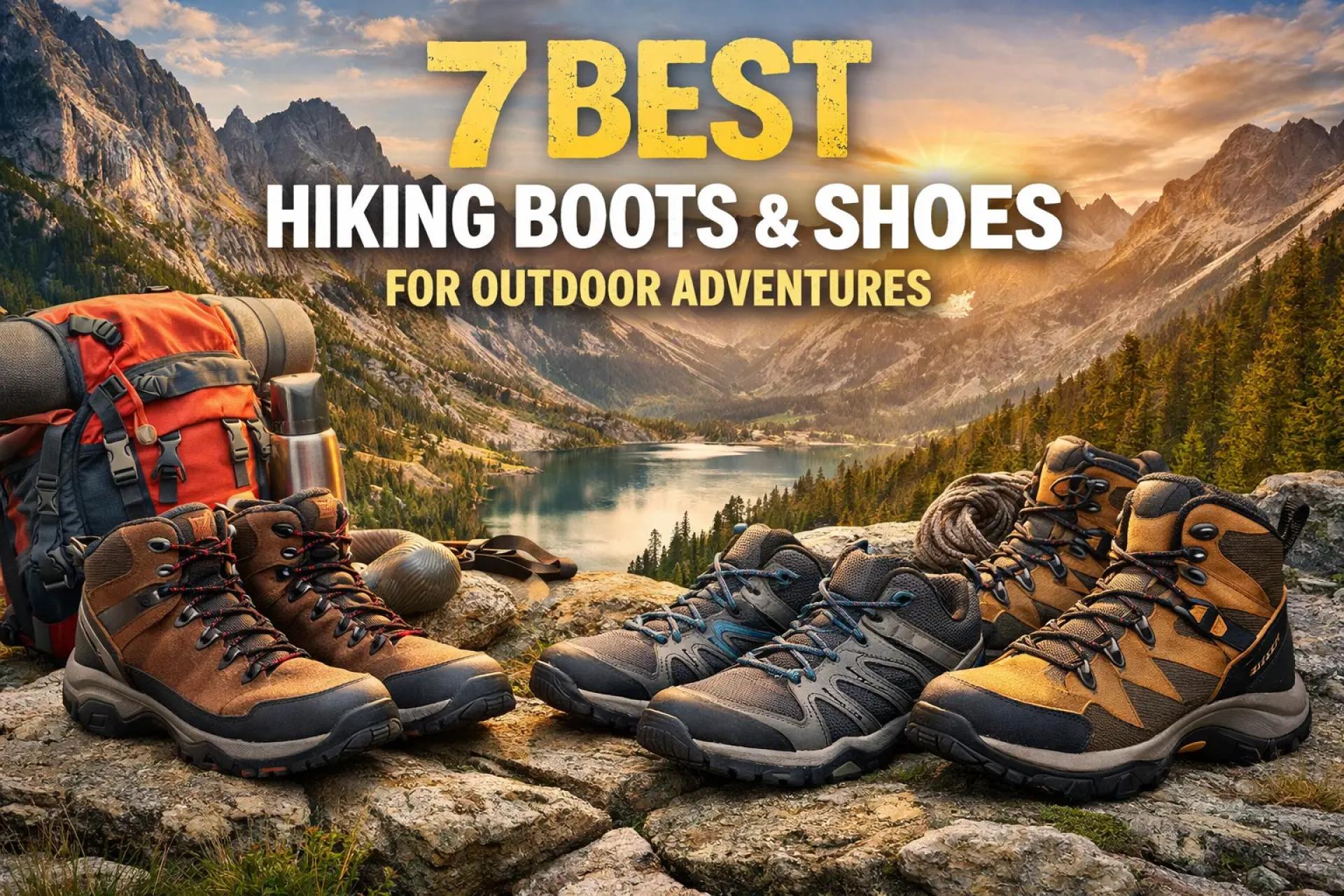

When it comes to hiking, your footwear can make or break your entire experience. Whether you're trekking through rocky mountain trails, muddy forests, or long-distance backpacking routes, choosing the right hiking boots or shoes is essential.
In 2026, the market is filled with countless options—lightweight hiking shoes, waterproof boots, and ultra-durable trekking footwear. But not all of them are worth your money.
In this guide, we’ve carefully reviewed the 7 best hiking boots and shoes based on comfort, durability, grip, waterproofing, and overall performance. This article is designed to help both beginners and experienced hikers find the perfect pair.
Why Choosing the Right Hiking Footwear Matters
Before jumping into the list, it's important to understand why investing in good hiking footwear is crucial.
A good pair of hiking boots or shoes will:
- Protect your feet from rough terrain
- Provide proper ankle support
- Prevent blisters and fatigue
- Improve grip and stability
- Enhance overall hiking performance
Wearing the wrong footwear can lead to discomfort, injuries, and even ruin your trip.
1. Salomon X Ultra 4 GTX – Best Overall Hiking Shoe
The Salomon X Ultra 4 GTX is one of the most popular hiking shoes, and for good reason. It offers a perfect balance of comfort, durability, and performance.
Key Features:
- Lightweight yet sturdy design
- Gore-Tex waterproof membrane
- Excellent grip on wet and dry surfaces
- Advanced chassis for stability
Pros:
- Extremely comfortable for long hikes
- Great traction
- Breathable and waterproof
Cons:
- Slightly expensive
This shoe is ideal for hikers who want a reliable all-rounder for different terrains.
2. Merrell Moab 3 – Best Budget-Friendly Option
If you're looking for something affordable without sacrificing quality, the Merrell Moab 3 is a great choice.
Key Features:
- Durable leather and mesh upper
- Vibram outsole for traction
- Comfortable cushioning
Pros:
- Budget-friendly
- Comfortable right out of the box
- Good durability
Cons:
- Not as lightweight as others
Perfect for beginners or casual hikers who want value for money.
3. Columbia Newton Ridge Plus II – Best Hiking Boot for Beginners
This hiking boot is well-known for its affordability and classic design.
Key Features:
- Waterproof construction
- Lightweight midsole
- Solid grip
Pros:
- Stylish design
- Affordable
- Good for light to moderate trails
Cons:
- Not ideal for extreme terrains
A great entry-level boot for those starting their hiking journey.
4. KEEN Targhee III – Best for Comfort
Comfort is where KEEN truly shines. The Targhee III is built for long hikes with minimal foot fatigue.
Key Features:
- Wide toe box
- Waterproof leather
- Strong traction
Pros:
- Very comfortable
- Great for wide feet
- Durable build
Cons:
- Slightly bulky
Ideal for hikers who prioritise comfort over ultra-lightweight designs.
5. La Sportiva Nucleo High II GTX – Best for Tough Terrain
If you're planning serious hiking or backpacking trips, this boot is built for rugged conditions.
Key Features:
- High ankle support
- Gore-Tex waterproofing
- Advanced traction system
Pros:
- Excellent durability
- Strong grip on rocky terrain
- High stability
Cons:
- Expensive
- Slight break-in period required
Best suited for advanced hikers tackling challenging trails.
6. Adidas Terrex Swift R3 – Best Lightweight Option
For hikers who prefer speed and agility, this lightweight shoe is a top pick.
Key Features:
- Lightweight design
- Continental rubber outsole
- Breathable upper
Pros:
- Very lightweight
- Stylish design
- Great traction
Cons:
- Less ankle support
Perfect for day hikes and fast-paced adventures.
7. HOKA Anacapa Mid GTX – Best for Cushioning
HOKA is known for its exceptional cushioning, and this model doesn’t disappoint.
Key Features:
- Thick cushioned midsole
- Waterproof construction
- Eco-friendly materials
Pros:
- Extremely comfortable
- Reduces foot fatigue
- Great for long-distance hiking
Cons:
- Bulky design
Best for hikers who prioritize comfort and shock absorption.
Hiking Boots vs Hiking Shoes – Which One Should You Choose?
This is a common question among hikers.
Choose Hiking Boots if:
- You need ankle support
- You carry heavy backpacks
- You hike on rough terrain
Choose Hiking Shoes if:
- You prefer lightweight gear
- You hike on easy/moderate trails
- You want more flexibility
If you're still unsure, you can explore a detailed guide on choosing the right footwear here: Best Hiking Boots
Key Factors to Consider Before Buying Hiking Footwear
1. Comfort
Always prioritize comfort. Even the best boots are useless if they don’t fit well.
2. Waterproofing
Look for Gore-Tex or similar materials if you hike in wet conditions.
3. Traction
A good outsole (like Vibram) ensures grip on slippery surfaces.
4. Weight
Lightweight shoes are better for speed, while heavier boots offer more protection.
5. Durability
High-quality materials ensure your footwear lasts longer.
Tips to Make Your Hiking Shoes Last Longer
- Clean them after every hike
- Dry them properly (avoid direct heat)
- Store in a cool, dry place
- Use proper socks to reduce wear
Best Hiking Shoes for Different Needs
Different hikers have different needs. Here’s a quick breakdown:
- For beginners: Columbia Newton Ridge
- For comfort: KEEN Targhee III
- For tough terrain: La Sportiva Nucleo
- For lightweight use: Adidas Terrex
- For long hikes: HOKA Anacapa
If you're specifically looking for lightweight and comfortable options, check out this guide: Best Hiking Shoes
Common Mistakes to Avoid When Buying Hiking Footwear
- Buying the wrong size
- Ignoring terrain type
- Choosing style over comfort
- Not checking waterproofing
- Skipping the break-in period
Avoiding these mistakes can prevent discomfort and injury.
Final Thoughts
Choosing the best hiking boots or shoes is not just about brand names—it’s about finding the right fit for your needs.
Whether you're a beginner exploring local trails or an experienced hiker tackling mountains, the right footwear will enhance your journey and keep your feet protected.
From the Salomon X Ultra 4 GTX to the HOKA Anacapa Mid GTX, each option in this list offers something unique. The key is to choose based on your hiking style, terrain, and comfort preferences.
Take your time, do your research, and invest in quality footwear—because every great adventure starts with the right steps.












Sign in to leave a comment.