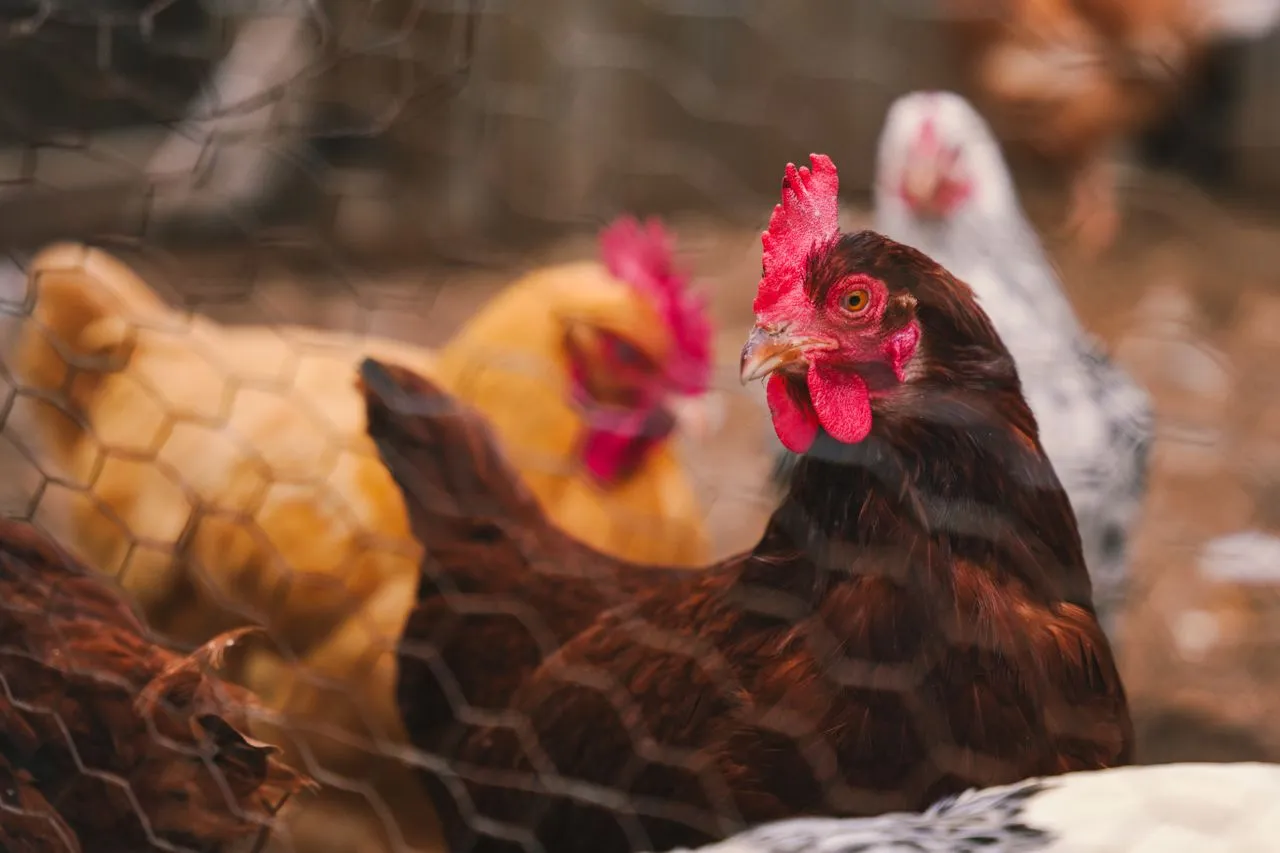

Poultry keeping demands consistency. Miss the details, and things unravel fast — sick birds, dropped production, losses that didn't have to happen. The errors most keepers run into aren't rooted in ignorance, either. They're lapses. Oversights. Habits that quietly compound until the damage is obvious. Knowing where those pitfalls live is half the battle, and most of them are completely avoidable once you're looking.
1. Neglecting Proper Coop Ventilation
Ammonia builds up. Quietly, invisibly — and then your birds start coughing. Moisture and gases from droppings have nowhere to go when airflow is poor, and respiratory health takes the hit. Mold colonizes damp walls. Parasites thrive in damp bedding. Windows, vents, purpose-built openings — something has to move fresh air through without blasting cold drafts straight at roosting birds. Check the whole system when seasons shift. July's setup won't cut it come November, and that gap shows up fast in how your flock looks and acts.
2. Providing Inadequate or Contaminated Water
Water mismanagement is shockingly common. Birds need constant access — clean, fresh, checked more than once a day. A full waterer from yesterday? By noon today it could be bacterial soup, especially once temps climb. Stagnant water moves illness through a flock with brutal efficiency. Scrub those waterers. Algae, mineral scale, biofilm — get a brush on it regularly. Hot days drive consumption way up, so running multiple stations keeps everybody drinking without the scramble.
3. Failing to Monitor Feed Quality and Storage
Bad feed quietly destroys a flock's health from the inside. Grain and pellets stored improperly — exposed to humidity, temperature swings, or rodents — shed nutritional value fast. Moldy feed is worse than no feed; the toxins it carries hammer liver function and suppress immunity. Yet keepers routinely buy bags without checking dates, or let old stock sit beneath new purchases. Rotate everything. Inspect stored feed regularly for pest activity or clumping from moisture. Catch a storage problem early, and it stays a minor inconvenience rather than a flock-wide issue.
4. Overlooking Signs of Disease and Illness
Early intervention changes outcomes dramatically. Walk your flock every day — actually look at them. Lethargy, ruffled feathers, nasal discharge, loose droppings, birds standing apart from the group — these aren't subtle. They're flags. When keepers catch external parasites early during routine checks, they turn to poultry spray for mites in order to treat affected birds fast, stopping a creeping infestation before it tears through the whole flock. Isolate anything that looks off. Keep health records, too — patterns emerge over time that a memory alone will never catch.
5. Ignoring Biosecurity Protocols
Disease doesn't need an invitation — it hitches rides. On boots, on equipment, on a visitor's jacket sleeve. Pathogens jump between flocks with shocking ease, which is exactly why biosecurity protocols exist. Require handwashing. Keep coop-specific gear separate from everything else on the property. Wild birds and rodents carry serious risks, so pest control and predator barriers aren't optional extras. And whenever new birds arrive, quarantine them. Give any hidden illness time to surface before it gets near your established flock.
6. Allowing Predator Access and Poor Housing Conditions
Predators are relentless. One weak latch, one gap in the floor, one unburied fence edge — that's all it takes. Weasels, snakes, raccoons — they don't need much of an opening. They tend to strike at night, when birds are confined and can't scatter. Beyond predators, overcrowding quietly erodes flock health by driving stress and accelerating disease transmission. Birds need room to roost, nest, and move. Three to four square feet per bird inside the coop is the standard recommendation for a reason. Skimp on space and productivity drops right along with it.
7. Inconsistent Flock Management and Record Keeping
Routine matters more than people admit. Erratic feeding times, irregular health checks, cleaning that happens "when there's time" — birds feel all of it, and it shows in their behavior and output. Build a real schedule. Hold to it year-round. Beyond the daily tasks, document things: laying rates, health observations, feed costs, breeding decisions. Records turn guesswork into data. When something goes wrong — and at some point it will — good documentation tells you exactly where to look.
Conclusion
These seven mistakes compound. One neglected waterer, one missed health check, one unpatched gap in the coop wall — small things stack into real losses. But none of this is complicated. Solid ventilation, clean water, properly stored feed, sharp disease observation, tight biosecurity, secure housing, consistent documentation: that's the whole framework. Run against these guidelines periodically, fix what's slipped, and your flock has every reason to stay healthy and productive.




























Sign in to leave a comment.