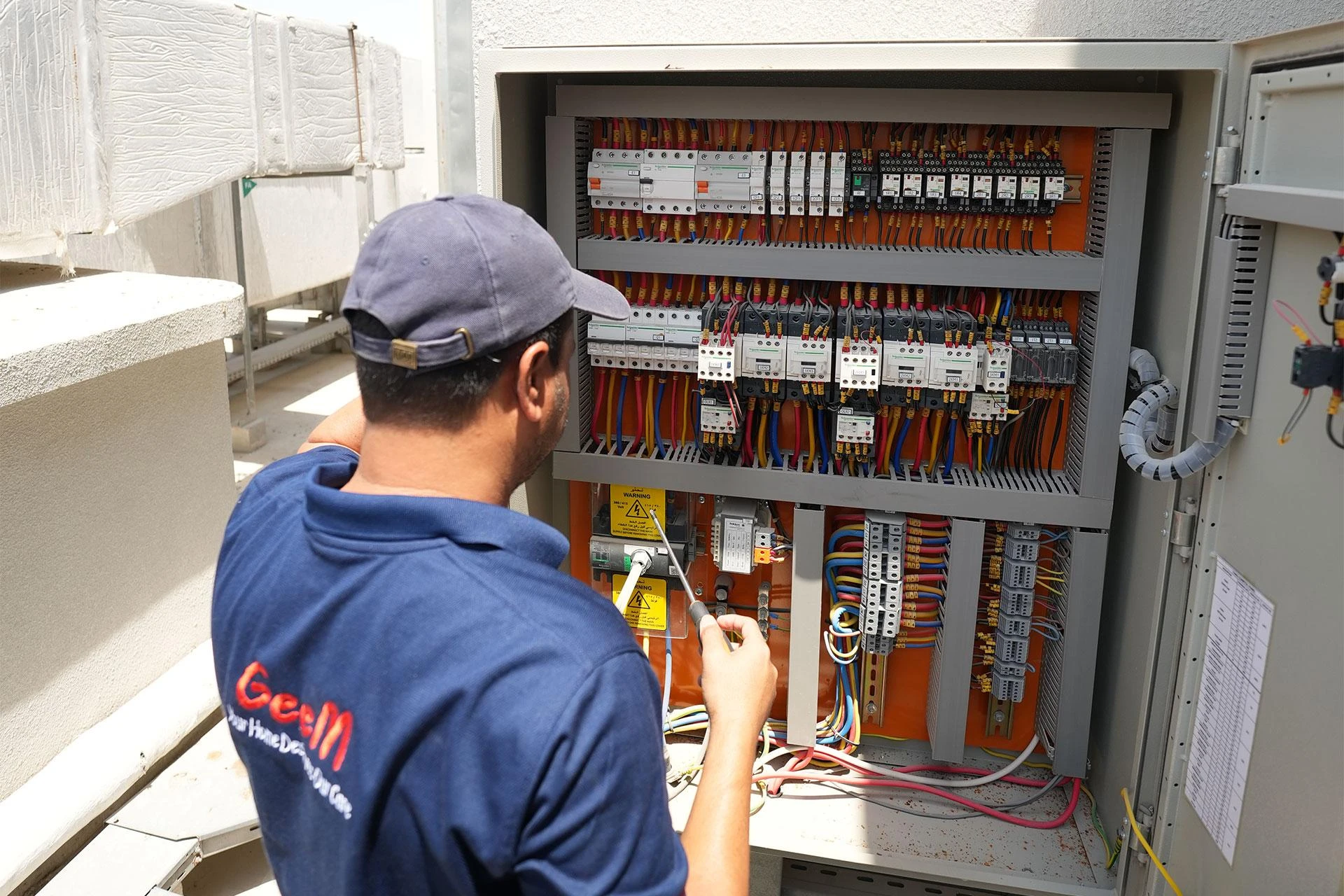

Living in Dubai means dealing with unique electrical challenges. Between running multiple air conditioning units during scorching summers and powering modern smart home systems, our electrical infrastructure works harder than almost anywhere else in the world. Yet many homeowners make critical mistakes that not only waste money but put their families and properties at serious risk.
After serving thousands of Dubai homes and witnessing countless electrical emergencies, I've seen firsthand how small oversights turn into expensive disasters. The good news? Most of these problems are completely preventable.
Let me walk you through the seven most dangerous and costly electrical mistakes Dubai homeowners make, and more importantly, how you can avoid them.
1. Ignoring Circuit Breakers That Trip Frequently
Have you ever reset a tripped circuit breaker and thought, "Problem solved"? You're not alone, but you're also not addressing the real issue.
Why this is dangerous:
When circuit breakers trip repeatedly, they're doing their job – protecting your home from electrical overload or a short circuit. Ignoring this warning sign is like ignoring your car's check engine light. Something is wrong, and it's only getting worse.
During Dubai's summer months, we see this constantly. Homeowners run multiple ACs, fans, and appliances simultaneously, pushing their electrical systems beyond capacity. The breaker trips, they reset it, and the cycle continues until something more serious happens.
What actually happens when you ignore it:
Persistent overloading generates excessive heat in your wiring. Over time, this heat degrades the insulation around wires, creating fire hazards. In severe cases, we've arrived at homes where wiring has literally melted inside walls.
The financial cost? Emergency electrical rewiring can run anywhere from 5,000 to 15,000 AED or more, depending on your property size. That's not counting potential damage from electrical fires, which insurance may not fully cover if negligence is proven.
The right approach:
If a breaker trips once, it might be a fluke. If it trips twice in a short period, call a licensed electrician immediately. Don't wait for the third time.
A professional can identify whether you're dealing with an overloaded circuit, a faulty breaker, or a more serious wiring issue. Sometimes the solution is as simple as redistributing appliances across different circuits. Other times, you might need a panel upgrade to handle your home's electrical demands.
2. Using Extension Cords as Permanent Solutions
Walk through any Dubai apartment or villa, and you'll likely see extension cords running under rugs, behind furniture, or daisy-chained together to reach distant outlets.
The convenience trap:
Extension cords feel like an easy fix. You need power somewhere, there's no outlet, so you run a cord. Problem solved, right? Wrong.
Extension cords are designed for temporary use only. When used permanently, especially under carpets or rugs where heat can't dissipate, they become fire hazards.
Real risks in Dubai homes:
Dubai's climate adds another layer of danger. Our homes stay air-conditioned, creating temperature differentials that cause electrical components to expand and contract. This constant change can loosen connections in extension cords, creating arcing and heat buildup.
I once responded to a villa where an extension cord had been running under a hallway runner for years. When we pulled it up, the insulation had partially melted, and the carpet underneath showed heat damage. The family had been one power surge away from a house fire.
What you should do instead:
Install proper outlets where you need them. Yes, it costs more upfront – typically 200-500 AED per outlet depending on location and complexity. But compare that to the cost of replacing your home after a fire.
For areas where you occasionally need extra outlets, use power strips with built-in surge protection and overload switches. These have safety features that extension cords lack.
And please, never daisy-chain extension cords or power strips. Each connection point creates resistance, generating heat and increasing fire risk exponentially.
3. Attempting DIY Electrical Repairs to Save Money
YouTube makes everything look easy. Watch a five-minute video, grab some tools, and suddenly you're an electrician, right?
Not quite.
Why DIY electrical work is uniquely dangerous:
Electricity is invisible, and its dangers aren't always immediate. You might complete a DIY repair that seems to work fine, only to create a hidden hazard that manifests weeks or months later.
Unlike a botched paint job or crooked shelf, electrical mistakes can kill. They can also void your property insurance if your DIY work causes a fire or injury.
The legal reality in Dubai:
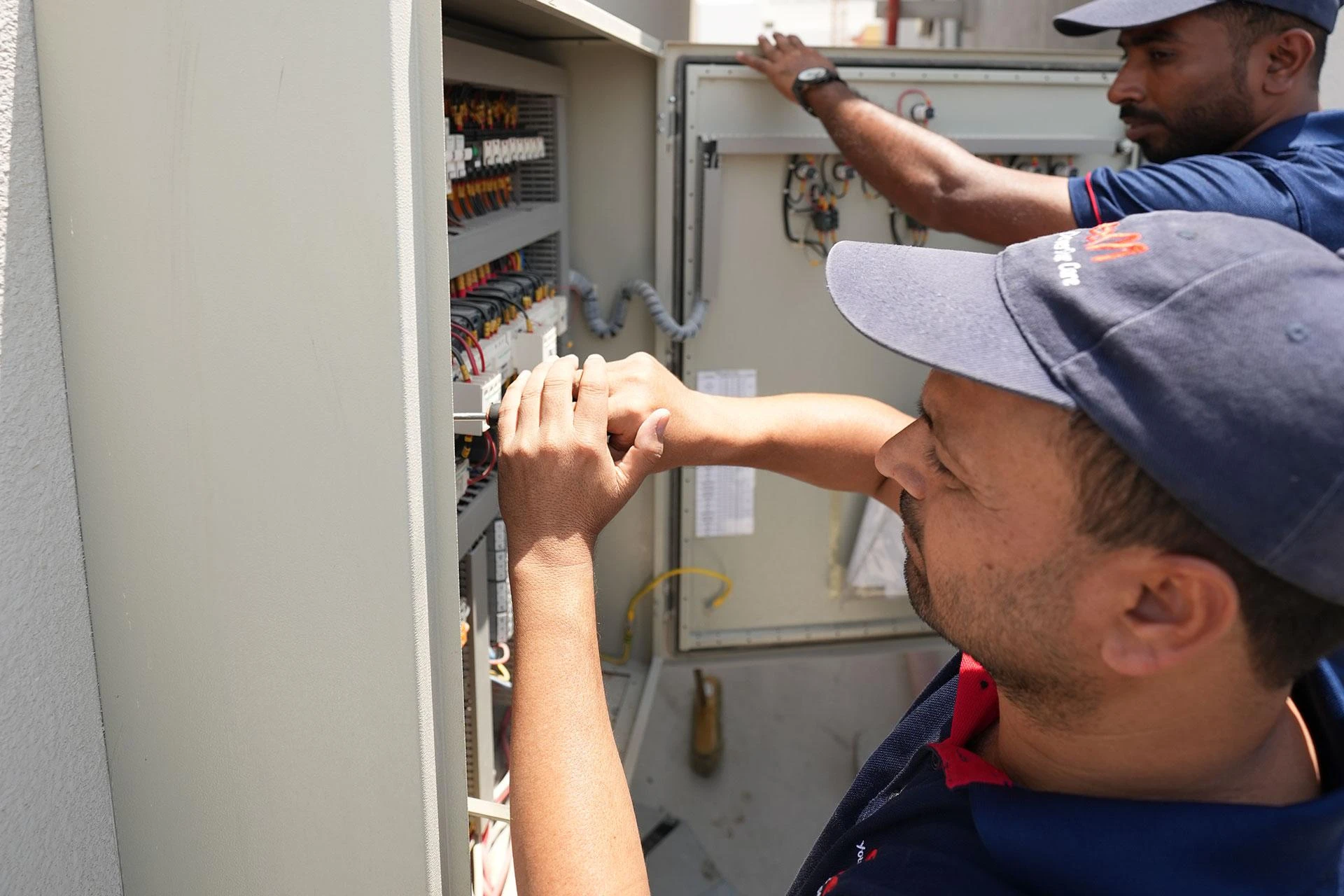
Here's something many people don't realize: In Dubai, electrical work must be performed by licensed professionals. It's not just a recommendation; it's the law.
If you sell your property, inspections may reveal unlicensed electrical work. This can delay sales, reduce your property value, or require expensive corrections before the transaction can proceed.
The financial gamble:
Let's say you attempt to install a ceiling fan yourself. You save maybe 300-400 AED in labor costs. But if you connect wires incorrectly and cause damage to your electrical system, repairs could cost thousands. If you cause a fire, you're looking at potentially catastrophic losses that insurance won't cover.
When to call a professional:
Anything beyond replacing a light bulb should be handled by a licensed electrician. This includes:
- Installing or replacing outlets and switches
- Any work inside your electrical panel
- Installing ceiling fans or light fixtures
- Running new circuits
- Troubleshooting electrical problems
The few hundred dirhams you save on DIY aren't worth the risk to your family's safety or your financial security.
4. Neglecting Electrical Inspections After Summer
Dubai summers are brutal on electrical systems. For four to five months, your home's electrical infrastructure runs at near-maximum capacity, powering multiple air conditioners around the clock.
The hidden wear and tear:
Most homeowners never think about what this constant load does to their electrical system. Connections loosen from heat cycles. Insulation degrades faster. Breakers weaken from frequent cycling. Problems develop slowly and silently.
By the time October arrives, your electrical system has aged far more than just a few months.
Why October inspections matter:
October represents a perfect window for electrical maintenance. Your system is no longer under extreme load, giving electricians a clearer picture of its actual condition. Temperatures are comfortable for detailed inspections. And most importantly, you have time to address issues before summer returns.
What a proper inspection reveals:
During a comprehensive electrical inspection, licensed electricians check:
- All connections for tightness and corrosion
- Wire insulation for damage or degradation
- Circuit breakers for proper operation
- Panel capacity versus actual load
- GFCI outlets for proper function
- Grounding system integrity
We routinely find issues during these inspections that homeowners had no idea existed. Loose connections that would have failed during next summer's load. Breakers operating at the edge of their capacity. Aluminum wiring showing signs of oxidation.
The cost perspective:
A thorough electrical inspection costs 500-800 AED for an average villa. Addressing minor issues found during inspection might add another 500-1,500 AED.
Compare that to emergency electrical repairs in July when your system fails: 2,000-5,000 AED minimum, often with long wait times because every electrician is booked solid with emergencies.
Preventive maintenance isn't an expense; it's an investment in reliability and safety.
5. Overloading Kitchen Circuits
Your kitchen is the electrical epicenter of your home. Refrigerator, microwave, electric kettle, toaster, coffee maker, dishwasher, and possibly an electric oven – all drawing significant power from just a few circuits.
The morning routine danger:
Picture a typical morning: Someone's making toast while the coffee maker brews, another person uses the electric kettle, and the microwave reheats something. Each appliance alone is fine, but together they can easily exceed the circuit's capacity.
Why kitchen circuit problems are so common:
Many Dubai apartments and older villas weren't designed for modern kitchens. When these homes were built, kitchens had fewer electrical appliances. Today's kitchens demand far more power, but the electrical infrastructure hasn't been upgraded to match.
The progressive failure pattern:
Kitchen circuit overload typically follows a predictable pattern:
First, you notice breakers tripping occasionally when multiple appliances run simultaneously. You reset them and continue.
Then the trips become more frequent. Maybe you can't run the microwave while the kettle's on anymore.
Eventually, you start noticing flickering lights in the kitchen, outlets that don't work reliably, or a burning smell near the breaker panel.
By the time most people call an electrician, significant damage has already occurred.
The proper solution:
Modern kitchens need dedicated circuits for major appliances. Your refrigerator should have its own circuit. Your microwave should have its own circuit. High-wattage countertop appliances need adequate circuit capacity.
Upgrading your kitchen electrical system costs 2,000-4,000 AED on average, depending on your home's layout and existing infrastructure. It's not cheap, but it's far less than the cost of replacing a damaged electrical panel or dealing with fire damage.
Immediate steps you can take:
While planning an upgrade, spread your appliance use across different outlets. Don't plug your toaster, coffee maker, and kettle into the same power strip. Read appliance labels to understand their power requirements. Avoid running multiple high-wattage appliances simultaneously.
6. Ignoring Flickering or Dimming Lights
Flickering lights seem like a minor annoyance, easily dismissed. Maybe you blame old bulbs or blame the power company. But persistent flickering is actually your electrical system sending you a warning.
What flickering really means:
Lights flicker when they're not receiving consistent power. This happens for several reasons, all of them concerning:
Loose connections create resistance, which causes voltage to fluctuate. These loose connections also generate heat, creating fire risks.
Overloaded circuits can't maintain consistent voltage when too many devices draw power simultaneously.
Failing breakers no longer regulate current properly, allowing voltage fluctuations.
Corroded wiring increases resistance in your electrical system, leading to unstable power delivery.
The pattern matters:
Pay attention to when flickering occurs. Does one specific light flicker, or do multiple lights dim when you turn on a particular appliance?
If lights dim when your AC kicks on, your electrical system might be undersized for your home's needs. If one light flickers constantly, you might have a loose connection at that fixture. If your whole house experiences flickering, the problem could be at your service panel or even with the utility connection.
Why you shouldn't wait:
Electrical arcing from loose connections causes thousands of house fires annually. These fires typically start inside walls where you can't see warning signs. By the time you smell smoke, significant damage has already occurred.
What to do:
Document the flickering pattern – when it happens, which lights are affected, what else is running at the time. This information helps electricians diagnose the problem quickly.
Call a licensed electrician for any persistent flickering. Don't wait to see if it gets worse.
Flickering is never normal, and it never fixes itself.
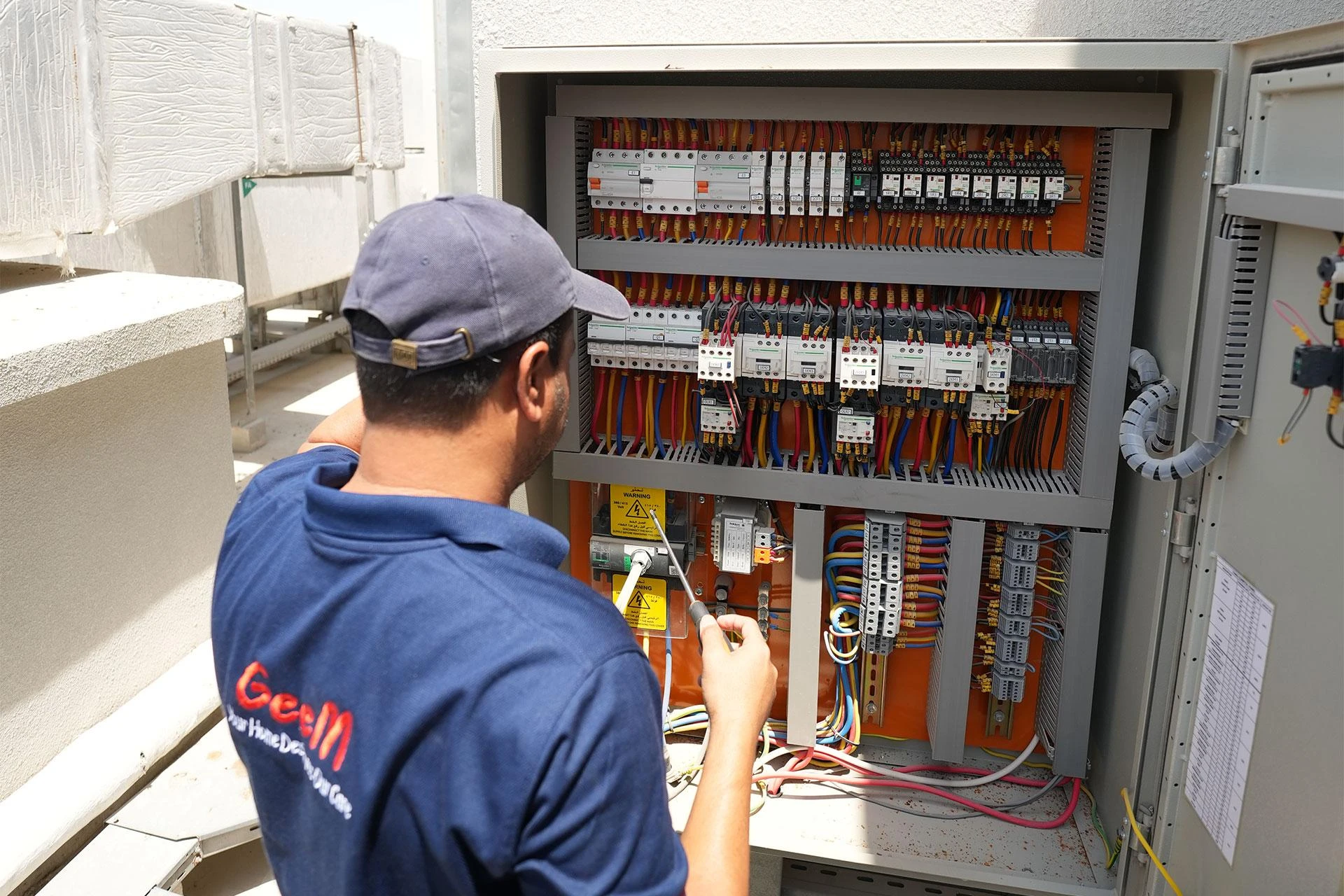
7. Putting Off Electrical Panel Upgrades
Your electrical panel is your home's power distribution center. Every circuit, every outlet, every light traces back to this one critical component.
The capacity problem:
Many Dubai properties, particularly those built before 2010, have electrical panels designed for lower power demands. A typical panel from that era might be rated for 100-125 amps.
Today's homes, with multiple ACs, smart home devices, electric appliances, and charging stations, often need 200 amps or more.
Running your home on an undersized panel is like trying to pour a gallon of water through a straw. The water will come through eventually, but the straw isn't designed for that flow rate.
How to know if you need an upgrade:
Several signs indicate your panel is outgrowing its capacity:
Your breakers trip frequently despite electrical loads that should be normal. You can't run certain appliances together without losing power. You've added circuits or appliances over the years, and your panel is full. Your panel is warm to the touch (it should never be warm). Your panel contains fuses instead of breakers, or breakers older than 25 years.
The upgrade investment:
Electrical panel upgrades typically cost 3,000-6,000 AED for residential properties, depending on panel size, location, and complexity.
This includes the new panel, proper grounding, updated breakers, and professional installation with all necessary permits.
Why it's worth it:
Beyond safety and preventing electrical fires, a modern panel brings practical benefits:
You can add new circuits without concern. Your home can handle modern electrical demands. Smart home systems operate reliably. Your property value increases. Future buyers won't flag electrical system capacity as a concern.
The Cost of Doing Nothing
Throughout this article, I've mentioned specific costs for repairs, upgrades, and professional services. Let me put the cost of inaction into perspective.
A typical emergency electrical repair in Dubai runs 2,000-5,000 AED, often more during peak summer months when electricians are overwhelmed with calls.
Electrical fire damage averages much higher. Even a small fire confined to one room can cause 20,000-50,000 AED in damage when you account for repairs, replacement of belongings, and temporary housing costs.
Severe electrical fires can destroy entire properties, resulting in losses of hundreds of thousands of dirhams.
Insurance complications:
Here's something most homeowners don't realize until it's too late: Insurance companies investigate electrical fires thoroughly. If they determine the fire resulted from neglected maintenance, code violations, or DIY electrical work, they may deny your claim entirely.
You'd not only lose your property but also face the full financial burden of rebuilding.
Taking Action: Your Electrical Safety Plan
Now that you understand these seven critical mistakes, what should you do?
Immediate actions (this week):
Walk through your home and look for these warning signs: frequent circuit breaker trips, extension cords used as permanent solutions, flickering lights, warm outlets or switches, burning smells near electrical fixtures, and outlets or switches that don't work properly.
Document everything you find. Take photos if appropriate.
Schedule an electrical inspection:
Contact a licensed electrician and schedule a comprehensive electrical safety inspection. This inspection should cover your entire electrical system, from the service connection to every outlet.
Be honest about any DIY work that's been done. Electricians aren't there to judge; they're there to ensure your safety.
Create a maintenance schedule:
Just as you service your AC annually, your electrical system needs regular attention. Schedule electrical inspections:
- After each summer (October is ideal)
- Before any major renovations
- When buying or selling property
- If your home is more than 15 years old, annually
Build a relationship with a licensed electrician:
Find a reputable electrical services company in Dubai and build a relationship with them. Having a trusted electrician who knows your home's electrical system is invaluable when issues arise.
The Bottom Line
Electrical safety isn't exciting. It doesn't make your home look better or feel more comfortable. But it's absolutely essential.
The seven mistakes we've covered – ignoring tripping breakers, relying on extension cords, attempting DIY repairs, skipping post-summer inspections, overloading kitchen circuits, dismissing flickering lights, and postponing panel upgrades – are all completely preventable.
Prevention is always cheaper than emergency repairs. It's always safer than risking electrical fires. And it always provides better peace of mind than hoping nothing goes wrong.
Your home's electrical system is complex, powerful, and potentially dangerous. Treat it with the respect it deserves, and it will serve you reliably for decades.
Make the wrong choices, and you're gambling with your family's safety and your financial future.
About the Author:
This article is brought to you by GeeM Home, Dubai's trusted electrical services provider. Our team of licensed and certified electricians has served thousands of Dubai homes with comprehensive electrical solutions, from routine maintenance to complete system upgrades. We pride ourselves on transparent pricing, rapid response times, and uncompromising commitment to safety. Whether you need an electrical inspection, emergency repair, or system upgrade, we're available 24/7 to keep your home safe and powered.











Sign in to leave a comment.