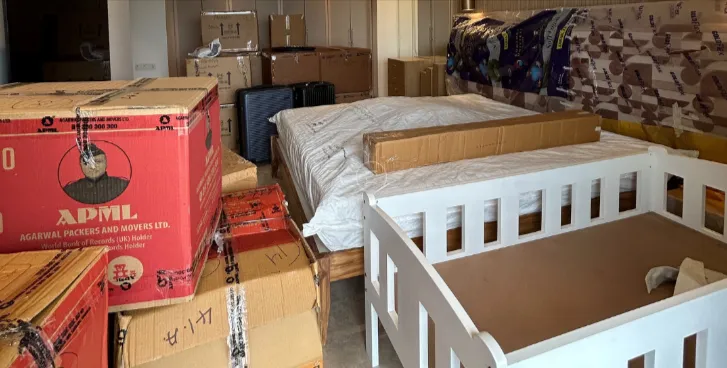

A well-organized home makes everyday life easier, more comfortable, and less stressful. When everything has a designated place, you spend less time searching for everyday essentials and more time enjoying your living space. However, maintaining an organized home can feel challenging when belongings accumulate, storage space becomes limited, and daily routines get busy.
The good news is that you do not need to transform your entire home in one day. Small, consistent changes can make a significant difference. Whether you live in a compact apartment or a spacious house, these seven practical tips can help you create a cleaner and more functional environment. With the right approach and support from a home organizer, you can build habits that make staying organized easier over time.

1. Start by Decluttering Your Space
Before organizing your belongings, take time to remove items you no longer need. Unused clothes, expired products, old paperwork, and broken household items can occupy valuable space and make rooms feel cluttered.
Start with one small area, such as a bedside table, kitchen shelf, or bathroom cabinet. Sort your belongings into three categories: keep, donate, and discard. Be honest about what you use regularly and what simply takes up space.
Avoid tackling every room at once, as this can make the process overwhelming. Completing one area before moving to another helps you see progress and stay motivated. Once unnecessary items are removed, organizing the remaining belongings becomes much easier.
2. Give Every Item a Designated Place
One of the simplest ways to maintain an organized home is to assign a specific place to everything. When household items have designated storage locations, they are easier to find and return after use.
Keep frequently used items in accessible places. For example, store keys near the entrance, everyday cooking utensils close to the cooking area, and personal care products within easy reach in the bathroom.
Use baskets, trays, drawer dividers, and storage containers to group similar belongings together. Label containers when necessary so everyone in the household knows where things belong.
A home organizer can help you identify practical storage solutions that suit your available space and daily routine. The goal is not just to make your home look tidy but also to make it easier to maintain.
3. Organize One Room at a Time
Trying to organize the entire house simultaneously can lead to frustration and unfinished tasks. Instead, divide the process into manageable sections and focus on one room at a time.
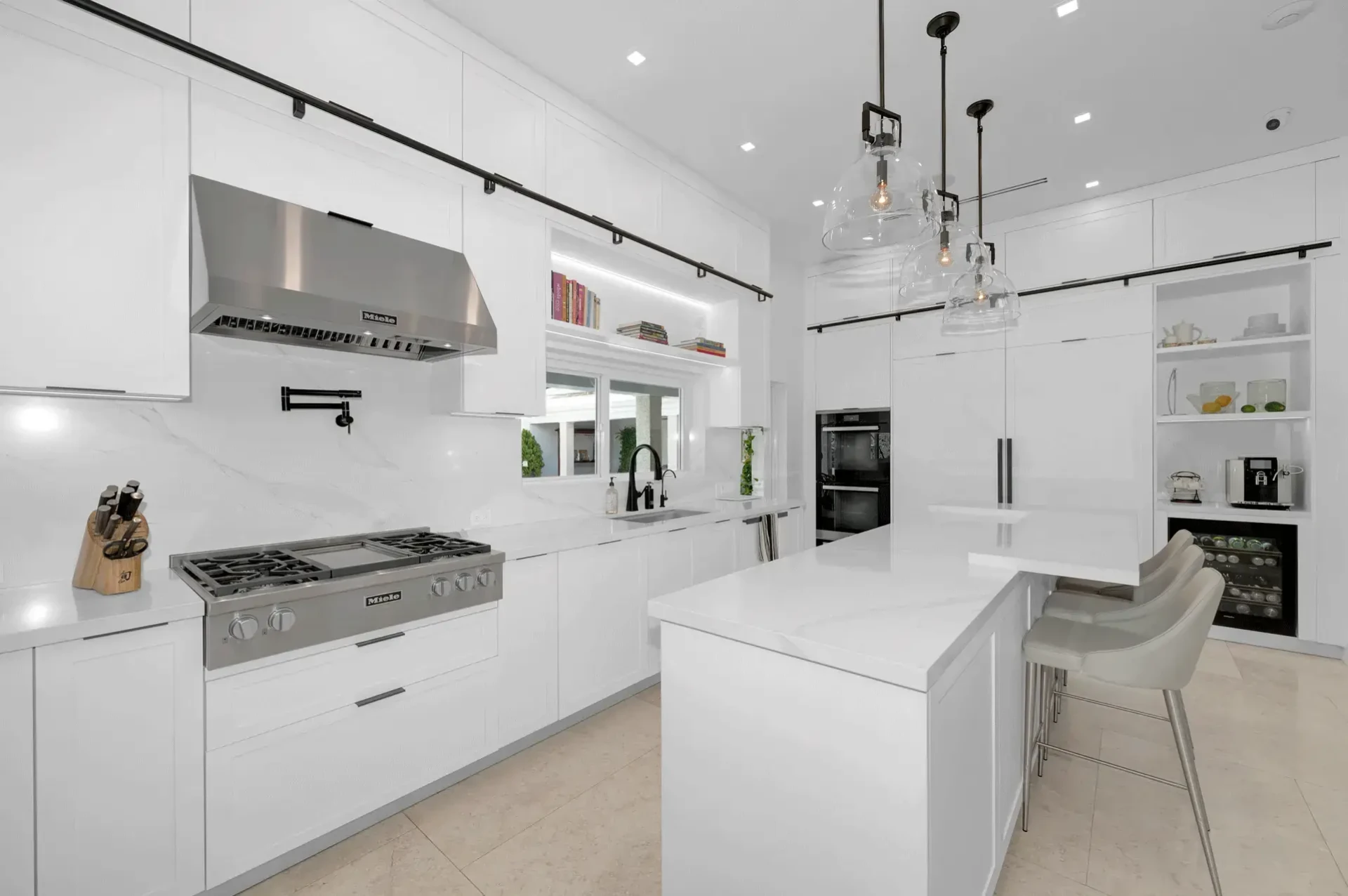
Begin with an area that affects your daily routine, such as the bedroom, kitchen, or living room. In the bedroom, organize wardrobes, bedside tables, and drawers. In the kitchen, group cooking essentials, food containers, and pantry items according to their purpose. In the living room, create designated spaces for books, remote controls, electronics, and other frequently used objects.
Once a room is organized, spend a few minutes maintaining it before moving on to the next area. This approach makes the process more manageable and allows you to notice which storage methods work best for your household.
4. Make Better Use of Available Storage
Limited storage space does not necessarily mean your home cannot stay organized. Often, the solution lies in using existing space more efficiently.
Consider vertical storage options, including wall shelves, hooks, and hanging organizers. These can help free up floor space while keeping everyday essentials accessible. Under-bed storage boxes can accommodate seasonal clothing, extra bedding, and other items that are not needed daily.
In wardrobes, use dividers to separate clothing categories and arrange frequently worn outfits where they are easy to reach. In kitchens, stackable containers and shelf organizers can help maximize cabinet space.
Choose storage products according to your actual needs rather than purchasing containers without a clear purpose. A practical storage arrangement should improve accessibility without making cupboards or shelves difficult to use.
5. Create Simple Daily Organizing Habits
An organized home requires regular maintenance, but this does not have to involve hours of cleaning. Small daily habits can prevent clutter from building up again.
Make your bed each morning, return items to their designated places after use, and put away clothes instead of leaving them on chairs. After cooking, clean the counters and return utensils to their storage locations.
You can also establish a ten-minute evening reset. During this time, clear frequently used surfaces, organize loose belongings, and prepare essential items for the following day.
These simple routines reduce the effort required for larger cleaning sessions. When everyone in the household participates, maintaining an organized home becomes a shared responsibility rather than a task for one person.
6. Keep Frequently Used Items Within Reach
Storage should make everyday activities more convenient, not more complicated. Items used regularly should be easy to access, while occasional-use belongings can be stored in less accessible areas.
For example, keep everyday shoes near the entrance, frequently used kitchen utensils in accessible drawers, and daily skincare products together in a bathroom organizer. Store festive decorations, travel accessories, and seasonal clothing separately until they are needed.
Avoid overcrowding shelves and drawers. When storage spaces are packed too tightly, finding and returning items becomes difficult. Leave enough room to remove belongings comfortably and maintain the arrangement.
An effective organizational system reflects how you actually use your home. When storage follows your daily habits, tidying becomes a natural part of your routine.
7. Seek Professional Help When Needed
Sometimes, organizing a home independently can feel difficult, particularly when there is limited space, a large volume of belongings, or no clear idea of where to begin. Professional organizing support can help you approach these challenges with a structured plan.
A home organizer can assess your space, identify areas that need improvement, and recommend practical ways to arrange belongings. Professional guidance can be especially helpful for wardrobes, kitchens, storage rooms, and other areas that repeatedly become cluttered.
Arrange It ALL offers home organization support for people looking to create more functional living spaces. Getting help can make the organizing process more manageable and help you develop systems suited to your needs.
Remember that professional organization is not about making every room look perfect. It is about creating a home that supports your lifestyle and makes everyday tasks easier.
Conclusion
A more organized home begins with simple decisions: remove unnecessary belongings, assign everything a place, use storage efficiently, and develop consistent daily habits. By focusing on one area at a time, you can gradually create a living space that feels calmer and works better for your family.
If clutter keeps returning or you are unsure how to organize your space effectively, working with a home organizer can help you find practical solutions. With thoughtful planning and regular maintenance, an organized home can become a comfortable and sustainable part of everyday life.













Sign in to leave a comment.