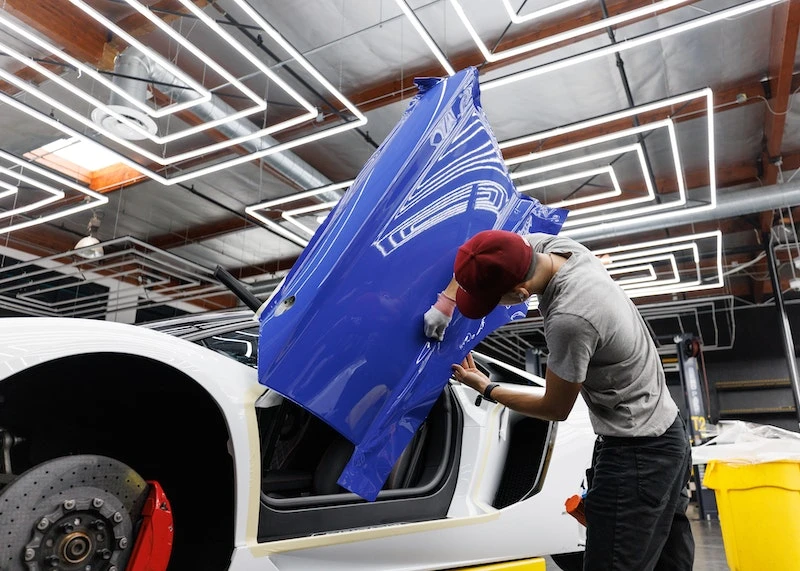

The right Wraps Graphics can make any car look great. Car wraps don\'t just make a statement, they can also protect your vehicle and advertise your business!
But if you choose the wrong vinyl wrap, don\'t have a professional install it, or don\'t take care of it properly, you could end up with some serious problems.
Here are seven of the most common issues and problems with car vinyl wraps, and how to fix (or prevent) them.
1. Warping and Bubbling
Warping and bubbling are two of the most common problems with car vinyl wraps. We\'ve put them together because they often happen together, and they have the same cause: heat.
If your car is exposed to too much heat, either from the sun or from sitting in a hot garage, the vinyl wrap can start to warp and bubble. The vinyl will then lift away from the car, creating wrinkles and folds.
How to fix warping and bubbling:
The best way to fix vinyl that has already warped or bubbled is to remove it and start over. If the vinyl is only slightly warped or bubbled, you might be able to get away with gently heat-gunning the area and then pressing the vinyl back into place.
To prevent warping and bubbling, make sure to park in the shade or in a garage whenever possible. If you live in a particularly hot climate, consider investing in a car cover to protect your car\'s vinyl wrap.
Check otu What is a car wrap? The definitive guide to know more about getting car wraps.
2. Cracking and splitting
Cracking and splitting usually happen when the vinyl wrap is too thin or of poor quality. When the vinyl is stretched too thin, it can start to crack and split, especially at the edges.
Cracking or splitting is more common in car wraps that are printed with images or patterns since these wraps tend to be thinner than solid-color car wraps.
How to fix cracking and splitting:
Unfortunately, once the vinyl has started to crack and split, there\'s not much you can do. You\'ll need to remove the old vinyl wrap and replace it with a new one. However, you can avoid this problem by choosing a thicker, high-quality vinyl wrap.
If you want an image or pattern on your car, make sure to choose a car wrap that is specifically designed for this purpose. These wraps are usually made of thicker vinyl that is less likely to crack and split.
3. Fading
Have you ever seen a car wrap that looked great when it was first installed but then started to fade and become dull after a few months? This is a common problem, especially with cheaper car wraps.
Fading can happen for several reasons. First, the vinyl itself might be of poor quality and susceptible to fading. Second, the car might be exposed to too much direct sunlight. Finally, the car wrap might not have been properly sealed, which can allow UV light to penetrate and start to break down the vinyl.
How to fix fading:
Before you can fix fading, you need to identify the cause. If the car is exposed to too much direct sunlight, you can try parking in the shade or using a car cover. If the car wrap is not properly sealed, you can try resealing it with a UV-resistant sealant.
If the problem is with the quality of the vinyl, the only solution is to remove the old car wrap and install a new one. To prevent fading, choose a car wrap that is made of high-quality, UV-resistant vinyl.
4. Peeling
Because vinyl car wraps are applied with adhesive, they can sometimes start to peel away from the car. This is usually caused by poor quality adhesive or improper installation.
If the car wrap is not installed correctly, the adhesive will not adhere properly to the car\'s surface. Over time, the vinyl will start to peel away at the edges or in areas where the adhesive is not properly bonded.
For more on proper car vinyl wrap care, check out Everything to Know About Caring for a Vinyl-Wrapped Car.
How to fix peeling:
The best way to fix car wraps that are peeling is to remove them and have them installed again. But if the car wrap is only lightly peeling, you might be able to get away with applying a new layer of adhesive and pressing the vinyl back into place.
However, this is only a temporary fix. The car wrap will eventually start to peel again if the problem with the adhesive is not addressed.
To prevent peeling, make sure to choose a car wrap that is made of high-quality vinyl and has good adhesive backing. Also, be sure to have the car wrap installed by a professional who knows how to properly apply the adhesive.
5. You might get a lot of unwanted attention.
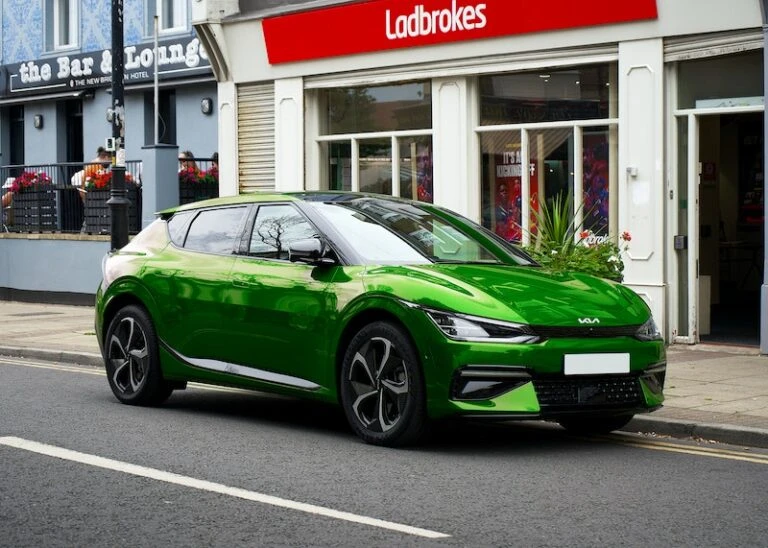
Sometimes, anonymity is key. If you\'re not looking for any extra attention, a car wrap might not be the best choice for you.
Car wraps are very eye-catching, and they can attract a lot of unwanted attention. Sometimes, people will stare at your car or take pictures of it without your permission. And in some cases, car wraps have even been known to cause car accidents!
How to avoid unwanted attention:
There\'s no surefire way to avoid unwanted attention from car wraps. If you\'re worried about attracting too much attention, you might want to choose a less eye-catching car wrap design. Alternatively, you could consider other options for personalizing your car, such as window tinting or applying decals.
6. You might have to pay more for insurance.
In some cases, car insurance companies will charge you more if you have a car wrap. The price difference is usually not significant, but it can add up over time.
The reason car insurance companies charge more for car wraps is that they are considered to be a form of aftermarket customization. And in some cases, car wraps can void the manufacturer\'s warranty.
Another reason behind car wraps affecting insurance rates is that they can make it more difficult to see the car. This can increase the risk of accidents, which in turn will cost the insurance company more money.
How to get around higher insurance rates:
If you\'re worried about car wraps affecting your insurance rates, you can try shopping around for a new insurance company. Some companies are more lenient when it comes to car wraps than others.
You could also try removing the car wrap before you renew your insurance policy. In most cases, the car insurance company will not know that the car wrap was ever there.
7. You might have to replace the car wrap sooner than you think.
Car wraps are not meant to be permanent. On the contrary, most car wraps only last for a few years before they need to be replaced.
The lifespan of a car wrap depends on several factors, such as the quality of the vinyl, the type of adhesive used, and how well the car wrap is cared for. In general, car wraps will start to show signs of wear and tear after 3-5 years.
Of course, this is just an estimate. Some car wraps might last longer, while others might start to show signs of wear and tear after just a few months.
How to make your car wrap last longer:
Proper care and maintenance are key to making your car wrap last as long as possible. Here are a few tips:
- Avoid car washes that use harsh chemicals or brushes, as these can damage the car wrap.
- Park in covered or shaded areas whenever possible to protect the car wrap from the sun\'s UV rays.
Conclusion
With so many potential issues, car wraps might not be the best choice for everyone. However, it sometimes boils down to choosing a good automotive service. If you do your research and find a reputable car wrap company, you can avoid most of the common problems. Thanks for reading!





Sign in to leave a comment.