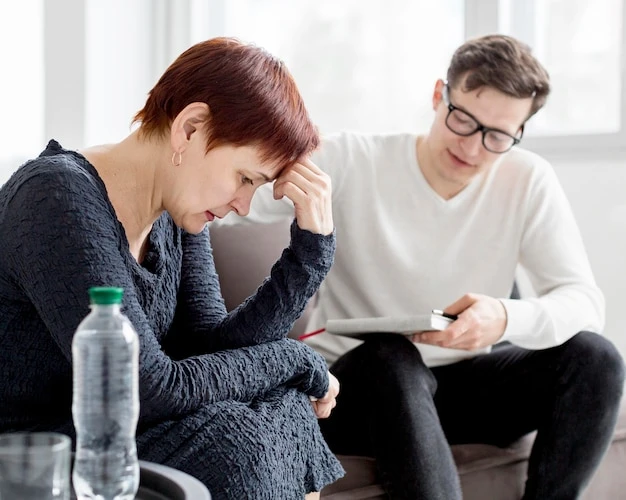

Achieving sobriety takes too much hard work, and therefore, the last thing a person under deaddiction treatment wants to happen is relapse! But it is also true that relapse and cravings are common in early recovery. Sobriety is a long journey, and only the ones with the strongest strategies and support can deal with the challenges that come their way.
A sober community can teach you life skills and provide you with a judgement-free environment in which to rebuild yourself. In this blog, we will discuss the role of sober living homes in recover and 7 tips to live a sober life.
What is a sober home?
A sober living home is a place that provides accommodation and amenities to people in recovery from deaddiction. The main idea of these homes is to keep individuals away from drugs and substance use while practicing sober life skills, eating healthy food and forming bonds with sober friends.
Facing the old life right after deaddiction treatment increases the chances of relapse and therefore, sober living homes provide the individuals space to understand past mistakes and recognize the triggers.

It takes more than just willpower to avoid having a relapse! You need to have the right environment, life skills, and support to win the battle with addiction. A sober living home gives you access to a sober community and participation in 12-step recovery programs. Let us read about seven tips for becoming sober.
What are the ways to stay sober after addiction treatment?
Identify the triggers:
One of the most important things you can do is identify triggers that elicit thoughts of drinking. Your triggers can look like people, places, situations and things hidden behind intense feelings, thoughts or emotions.
Once you identify your pain points, you can create a plan to face and deal with them. Some common triggers can be due to:
- Emotional abuse
- Trauma
- Physical abuse
- Childhood resentments
- Relationship issues
- Financial troubles
- And so on.
Rocklay sober community in Florida helps their participants with one-on-one counselling to identify the triggers. You can also take the help of an expert in mental health to know the root causes of using the substances.
Not acting on your thinking:
It is common to crave substance and have thoughts about doing it, but make sure not to act on your thinking. Sometimes, the thoughts of doing alcohol might come due to mental or emotional reasons. Recognizing the relapse signs will help you to divert your mind by indulging in an addiction free activity.
Warning signs:
- Behaving irresponsibly and not following a routine.
- Being part of situations involving addicted friends and alcohol.
- Choosing drugs as an escape from pain.
- Overthinking about the substance and alcohol.
Staying around healthy relationships and support:
It is essential to accept that some people and situations just bring the worst out of us. Whether it is your relationship with your ex, step-parent or boss, you need to end it if it is toxic. Not all problems are caused by addictive friends and drug dealers; sometimes, the people nearest to you can contribute to your poor mental health.
So, you need to set boundaries to end every codependent or toxic relationship or choose to stay around people who genuinely bring out the best in you. You need to stay around people who support you and care for you.
Following a structured schedule:
You cannot get sober while following a disorganized lifestyle. So, you will need to develop an active lifestyle where you keep your body and mind healthy. Sober living homes can help you achieve a healthy lifestyle where you exercise, meditate and participate in 12 steps of recovery and sober activities with other participants.

Dealing with past mistakes:
Pain and suffering are two of the biggest obstacles in recovery. As the self-help book Don’t Believe Everything You Think states, “Pain is inevitable, but suffering is optional!”
Feeling guilty about past behaviors during the recovery is healthy, but you shouldn’t suppress these emotions. To deal with these emotions, you need to participate in 12 steps of recovery in a sober home.
Finding balance:
Habits can’t be unformed but replaced! In your sober journey, you will learn new habits, but don\'t be overly obsessed with them. Your healthy habits shouldn’t feel compulsive like your old ones. New habits can block complete recovery if you don’t find a balance in your new life.
It takes 21 days to make a new habit and 90 days to turn that into a lifestyle. So, you will need to be consistent while practicing a new habit. Also, try reading habit-building books like “Atomic Habits”, “Power of Positive Thinking” and “How to Make Friends and Influence People”. These books will help you to stay on the path of recovery with a confident mindset.
Spiritual Healing:
If you want to truly heal, you will need to forgive yourself. You can do that by having faith! If you are a believer, leave what you cannot control to God and move ahead with clear intentions. In case you are an atheist, connect yourself with a higher self or nature or whatever your belief is.

The 12 steps of recovery will help you stay humble, forgive your past self, and connect with your higher consciousness.
Conclusion:
A sober environment plays an important role in providing support and guidance to the residents. The support comes in the form of other residents, professional therapists, sober home managers and sober communities like support groups.
Setbacks are normal in the process of sobriety. The best way to move past addiction is to get help from a sober home. While we are at it, Rocklay Sober Living is a recovery home in Florida. To get participation in their 12-step program, reach out to their website now!
Start your journey to health and comfort at Rocklay Sober Living Homes in Florida. Search us on Google to begin today.
FAQ:
Who is a sober living home for?
Men or women who have completed rehabilitation treatment.
What are the rules of the sober living home?
Random drug testing, night curfews, mandatory participation in the 12-step recovery program, etc.











Sign in to leave a comment.