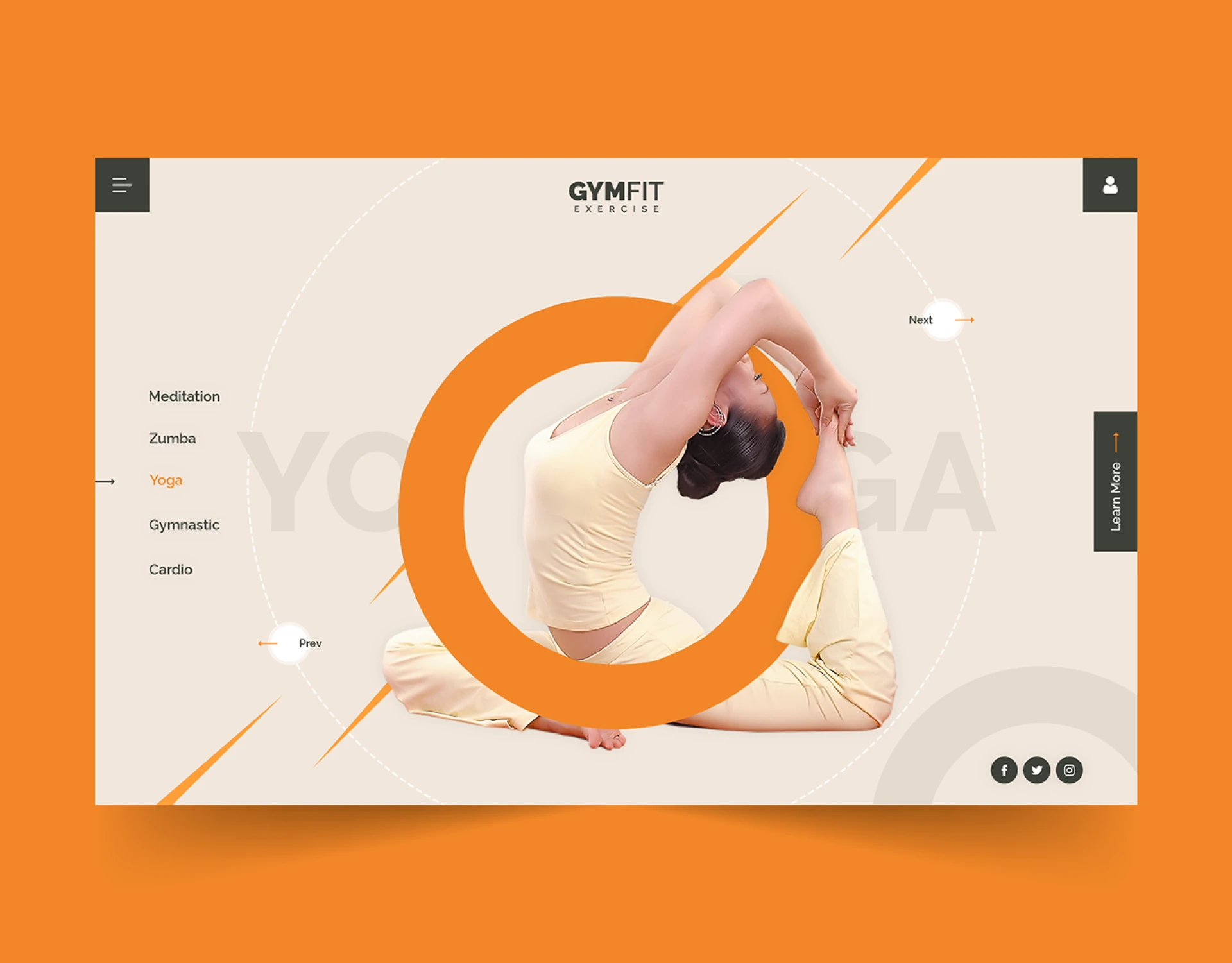

In the digital age, a well-designed website is a vital tool for any yoga studio or instructor looking to connect with a global audience. Your yoga website should not only reflect the essence and philosophy of your practice but also provide a welcoming online space for visitors to explore and engage. In this article, we will delve into the art of designing a yoga website that captivates, inspires, and effectively communicates your unique offerings to potential students.
A website can provide numerous benefits for a yoga studio. Here are some key advantages:
Online Presence and Visibility: A website allows your yoga studio to have a strong online presence. Potential students can find you easily through search engines, directories, and social media platforms, increasing your visibility and reach.
Information Hub: Your website serves as a centralized platform to provide essential information about your yoga studio. You can include details about class schedules, instructors, pricing, types of yoga offered, and any special events or workshops. This helps potential students make informed decisions and encourages them to engage with your studio.
Attracting New Students: A well-designed website can act as a powerful marketing tool. You can showcase your studio's unique features, philosophy, and testimonials from satisfied students. Including high-quality images and videos of your classes and facilities can help create a positive impression and attract new students to try your yoga sessions.
Online Class Booking: Many yoga studios offer the convenience of online class bookings. Integrating a booking system into your website allows students to view class availability, register, and make payments online. This streamlines the booking process, making it easy for both new and existing students to secure their spots.
Building Community: A website can facilitate the growth of a yoga community. You can create a blog or news section where you share informative articles, yoga tips, and updates about your studio. Adding a discussion forum or a social media integration can encourage students to engage with each other and foster a sense of belonging.
Online Resources and Services: A website can provide valuable resources to enhance the yoga experience for your students. You can offer downloadable materials such as posture guides, meditation recordings, or yoga sequences. Additionally, you may consider offering online classes or workshops for those who cannot attend in person, expanding your reach beyond your local area.
Customer Support and Engagement: Your website can serve as a platform for customer support and engagement. You can include a contact form or live chat feature, allowing potential and existing students to ask questions and receive timely responses. Regularly updating your website with relevant content and announcements keeps students informed and engaged.
Credibility and Professionalism: A well-designed and informative website instills trust and credibility in your yoga studio. It showcases your professionalism and dedication to providing quality yoga instruction. A website can also include certifications, affiliations, and bios of your instructors, reinforcing your expertise in the field.
Overall, a website for your yoga studio not only helps you attract new students but also enhances the overall experience for existing ones. It acts as a powerful tool to showcase your studio's unique offerings, build a community, and establish your presence in the competitive yoga industry.












Sign in to leave a comment.