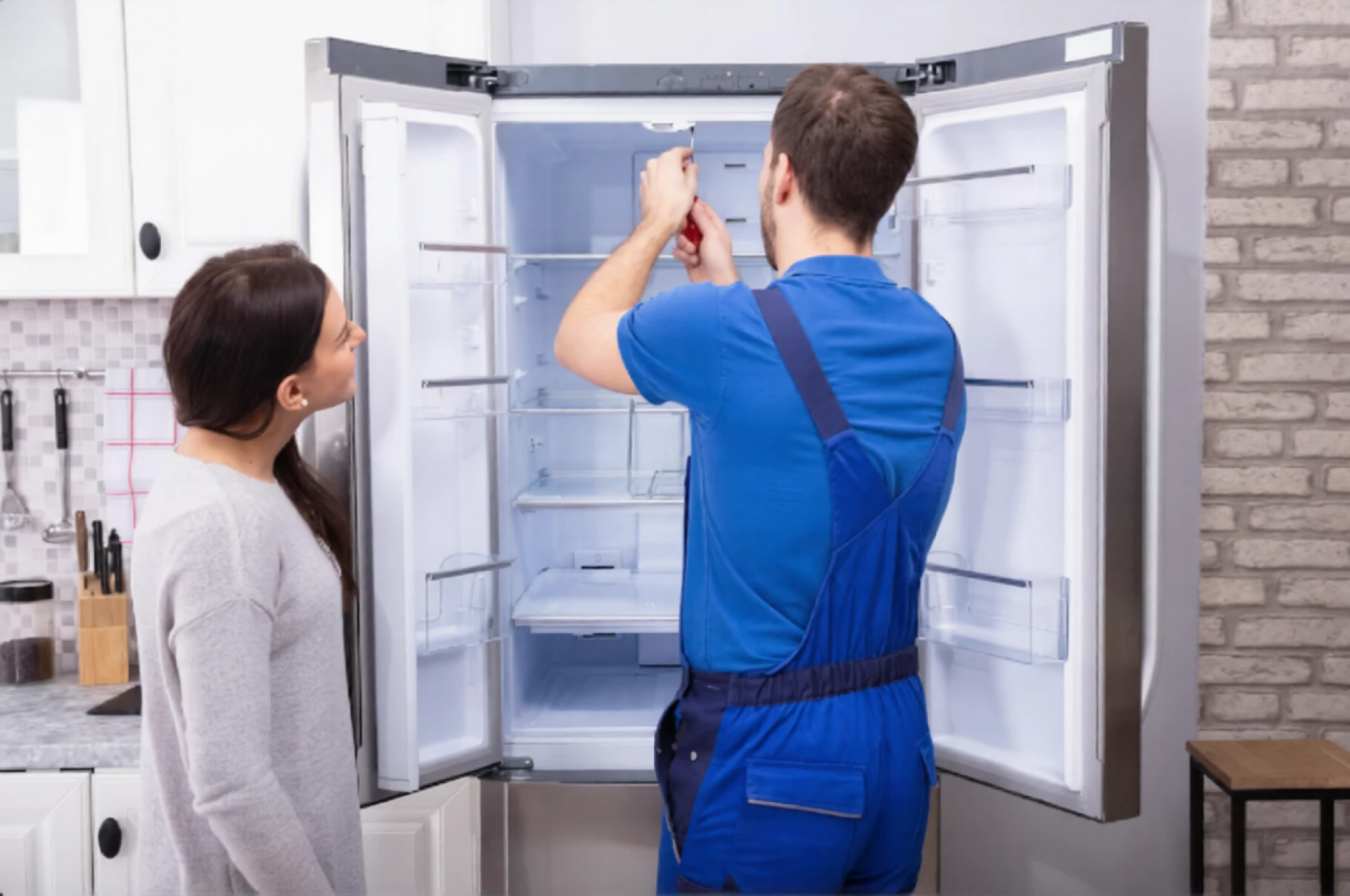

Home appliances are the staple of the modern household, but even the best engineering has an expiration date. While a slow decline in performance can be easy to ignore, waiting for a total breakdown often leads to bigger problems like flooded laundry rooms, high energy bills, or a $300 loss in spoiled groceries.
If you’re debating between a service call and a showroom visit, here are eight signs that it’s time to upgrade.
1. The Appliance Is More Than 10–15 Years Old
Most refrigerators last around 10–15 years, while washing machines typically last 8–12 years, depending on use and maintenance. If your appliance is reaching or exceeding this range, it may start losing efficiency and reliability.
Older appliances also consume more energy compared to modern models. Even if they still work, replacing them could reduce energy costs over time.
2. Frequent Repairs Are Adding Up
An occasional repair is normal, but constant breakdowns are a warning sign. If you’ve had to call a technician several times within a year, the cost of repairs may start to exceed the value of the appliance.
A good rule of thumb: If a repair costs 50% or more of the price of a new, comparable replacement, experts recommend buying new.
3. Rising Energy Bills
Older appliances are significantly less efficient than those with a modern ENERGY STAR® rating. Refrigerators and washers run frequently, which means inefficient models can quietly drive up your utility costs. A 15-year-old fridge can use 33% more electricity than a modern ENERGY STAR model, potentially costing you an extra $50–$100 per year.
Modern front-load washers use about 13 gallons of water per load, compared to older top-loaders that can gulp down 40 gallons.
If your energy bills are steadily increasing and nothing else has changed in your household, an aging appliance may be part of the reason.
4. Food Spoils Faster Than It Should
One of the most noticeable signs of refrigerator trouble is food spoiling sooner than expected. If milk, vegetables, or leftovers don’t stay fresh as long as they used to, your refrigerator may not be maintaining a consistent temperature.
If you notice sweating (condensation) on the exterior or heavy frost buildup in the freezer, the motor is overworking to compensate for a failing seal or failing coolant levels. Temperature fluctuations can also lead to freezer burn or uneven cooling throughout the fridge.
Pro-tip: A healthy refrigerator should maintain an internal temperature of 37°F to 40°F (3°C to 4°C). Place a standalone thermometer in the center shelf for 24 hours. If it hits 45°F or higher despite your settings, it’s time to shop.
5. Strange Noises or Vibrations
Appliances normally make some noise, but loud grinding, rattling, or banging sounds usually signal mechanical problems.
A washing machine that shakes excessively during cycles or a refrigerator that makes constant buzzing noises could be dealing with worn-out internal components.
Ignoring these sounds can lead to bigger failures later.
6. Water Leaks or Moisture Buildup
Water pooling around a washing machine or refrigerator should never be ignored. Leaks can damage flooring and cabinets, and they may indicate internal component failure.
Similarly, excessive condensation inside a refrigerator may mean the door seals or cooling system aren’t functioning properly.
7. Clothes Aren’t Getting Properly Clean
A washer that leaves clothes dirty, overly wet, or poorly rinsed may be struggling with worn-out parts. Over time, motors, belts, and pumps can weaken, reducing the machine’s ability to perform properly.
If you find yourself re-running cycles frequently, the washer may be nearing the end of its lifespan.
8. Rust, Cracks, or Visible Wear
Visible damage often indicates deeper problems. Rust on a washer drum or cracks in refrigerator components can worsen over time and affect performance.
These signs may also signal that internal parts are deteriorating and repairs may no longer be practical.
Final Thoughts
Recognizing the signs early can help you plan for replacement before a complete breakdown occurs. While replacing an appliance may feel inconvenient, newer models are typically more energy-efficient, quieter, and more reliable.
When the time comes to upgrade, it’s also important to think about responsible appliance removal in Los Angeles. Proper disposal or reuse helps reduce waste and keeps usable items in circulation.
Sign in to leave a comment.