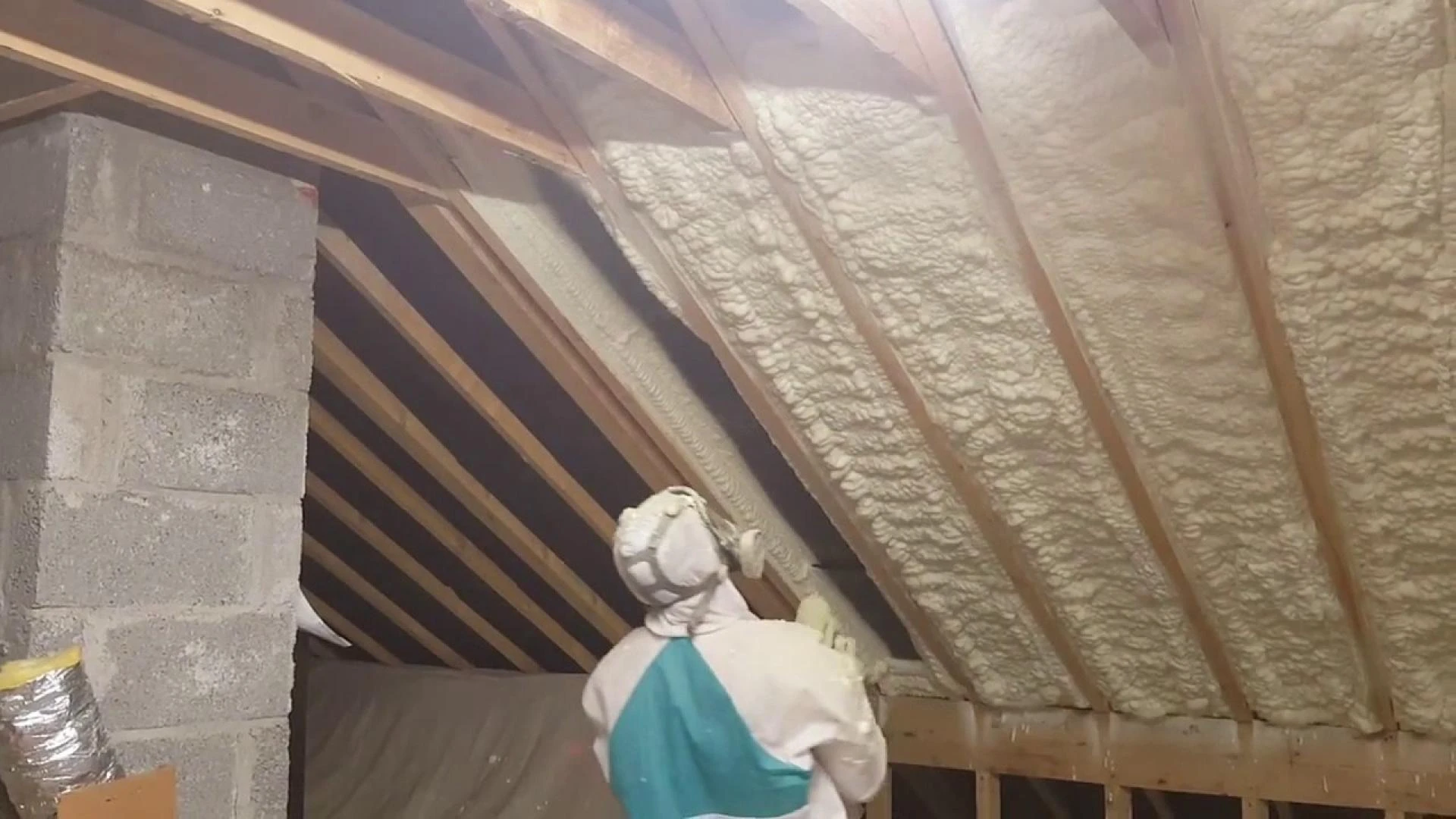
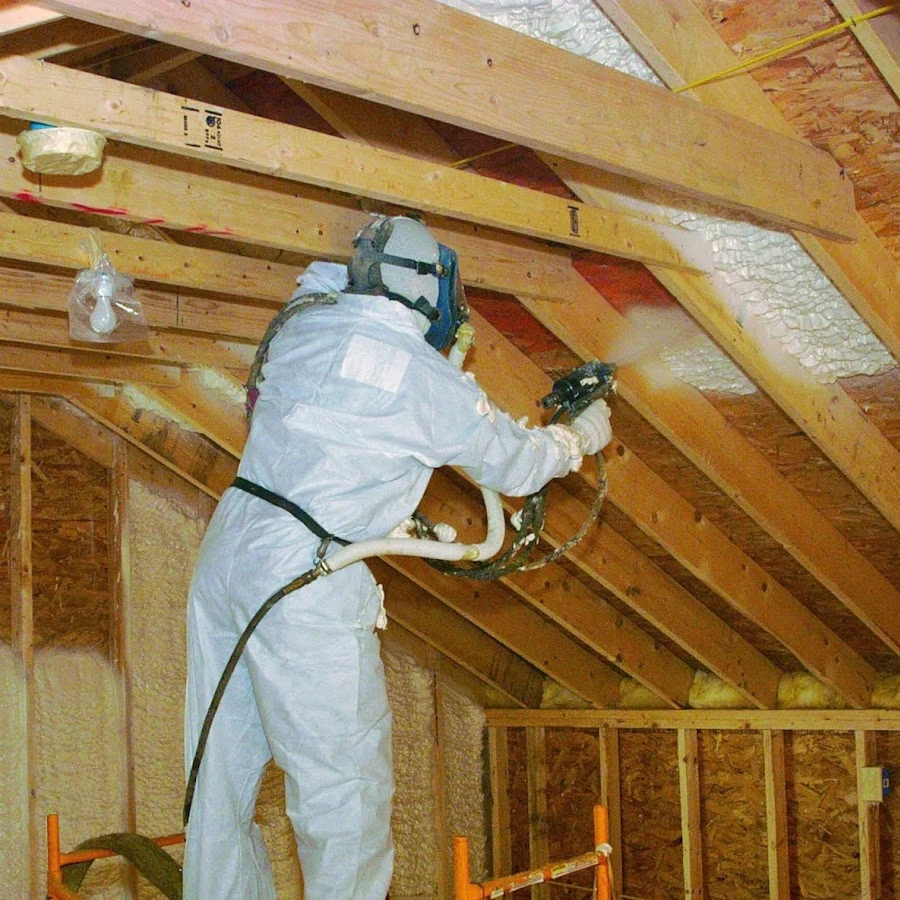
Open-cell spray foam insulation is frequently misunderstood by homeowners who rely on outdated information or partial truths found online. The reality is that open-cell foam serves as a highly effective air barrier that allows building assemblies to "breathe" and dry out, preventing the moisture entrapment issues often associated with other materials. While it has a lower R-value per inch compared to closed-cell foam, its ability to expand 100 times its liquid volume ensures it fills every crack and crevice, stopping the air leaks that account for significant energy loss in residential structures.
Many property owners in the Pacific Northwest hesitate to use this material due to fears about water absorption or structural integrity. However, when applied correctly within the building envelope, open-cell foam offers superior sound dampening and creates a thermally consistent living environment. Industry professionals know that the performance of insulation depends heavily on context and climate, and dismissing open-cell foam based on myths can lead to missed opportunities for cost-effective home improvement.
Myths Regarding Moisture and Water
The most persistent misconceptions about open-cell foam revolve around its relationship with water. Given the wet winters in Southern Oregon, it is understandable why homeowners are cautious, but professional spray foam insulation actually manages moisture in a way that protects the home structure while maintaining indoor comfort.
Myth 1: Open-Cell Foam Acts Like a Sponge
There is a common belief that if open-cell foam gets wet, it will soak up water indefinitely and rot the wood framing. While open-cell foam is permeable to water vapor, it does not hold water like a kitchen sponge.
- The Reality: Open-cell foam is breathable. If a leak occurs, water moves through the foam by gravity and dries out once the source is stopped.
- Drying Potential: Unlike materials that trap moisture against the wood, open-cell foam allows the wall or roof assembly to dry in both directions.
- Material Composition: The polymer itself is water-resistant; only the air pockets between the cells can hold moisture temporarily.
Myth 2: It Hides Roof Leaks
Homeowners often worry that insulating the roof deck will mask leaks until significant damage occurs to the shingles or sheathing. This concern is actually more applicable to closed-cell foam, which creates a waterproof barrier.
- The Reality: Because open-cell foam is permeable, water from a roof leak will pass through it and stain the drywall below relatively quickly.
- Early Detection: This "flaw" is actually a safety feature. Residents will notice a leak sooner, allowing for repairs before the roof deck rots.
- Sheathing Protection: Since the water is not trapped against the roof deck, the structural wood has a better chance of surviving a minor leak without decaying.
Myth 3: It Causes Mold to Grow
Some assume that because the foam is breathable, it encourages mold growth inside wall cavities. Mold requires moisture, a food source, and warm temperatures to thrive.
- The Reality: Spray foam offers no nutritional value to mold.
- Air Sealing: By stopping air leakage, the foam prevents warm, moist interior air from hitting cold exterior surfaces, which is the primary cause of condensation and mold in walls.
- Inert Material: The foam itself creates an environment that is hostile to fungal growth as long as the building is properly ventilated.
Myths About Performance and Durability
Discussions about R-value often overshadow the practical performance of insulation in real-world scenarios. Understanding how the material functions over decades is more important than a single number on a spec sheet.
Myth 4: Low R-Value Means It Does Not Work Well
Open-cell foam typically has an R-value of R-3.5 to R-3.8 per inch, which is lower than closed-cell foam. Critics argue this makes it an inferior insulator.
- The Reality: Insulation performance is a combination of thermal resistance (R-value) and air sealing.
- Convection Loops: Traditional insulation with higher R-values can fail if air passes through it. Open-cell foam stops air movement entirely.
- Real-World Efficiency: A perfectly sealed R-19 wall often outperforms a drafty R-30 wall because it stops the physical loss of conditioned air.
Myth 5: It Shrinks and Settles Over Time
A common fear is that spray foam will pull away from the studs as it ages, leaving gaps for air to pass through. This myth likely stems from confusion with older formulations or poor application.
- The Reality: Open-cell foam is flexible and moves with the building.
- Adhesion: It adheres aggressively to wood and drywall, maintaining a continuous seal even as the house settles or shifts slightly.
- Comparison: Unlike cellulose or fiberglass which settles by gravity, cured foam stays in place for the life of the building.
Myth 6: It Rots Roof Sheathing
There is a persistent rumor that applying spray foam to the underside of a roof deck "cooks" the shingles and rots the wood due to excessive heat buildup.
- The Reality: Extensive studies show that the temperature difference in shingles over a sealed attic versus a vented attic is negligible (typically 2-5 degrees).
- Code Compliance: Unvented attic assemblies are approved by building codes throughout Oregon when properly detailed.
- Longevity: Modern shingles are designed to withstand temperatures far higher than what they experience due to attic insulation.
Myths Concerning Safety and Cost
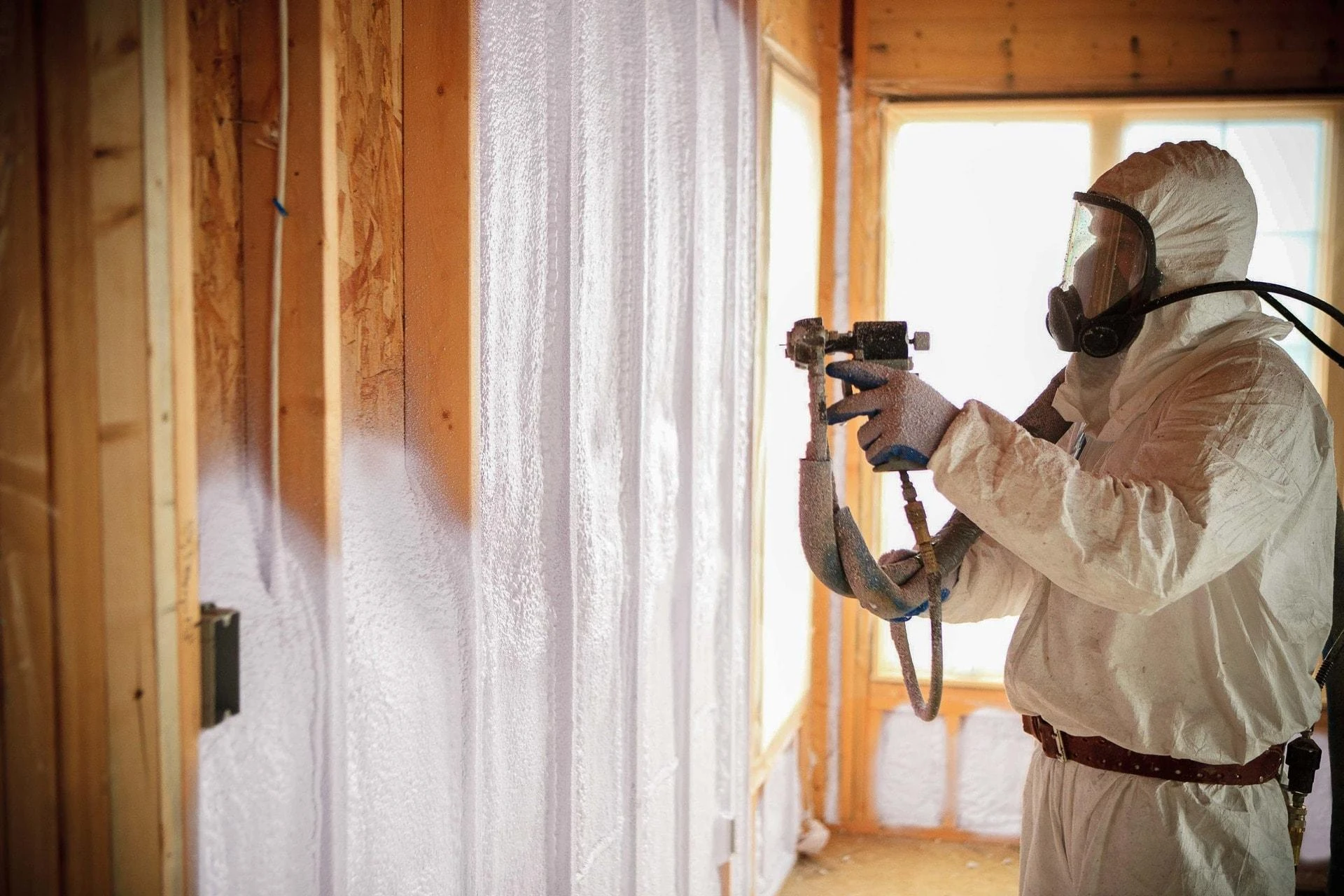
Final concerns often center on the chemical nature of the product and the financial investment required. Clarifying these points helps homeowners make balanced decisions.
Myth 7: It Off-Gasses Toxic Fumes Forever
Chemical sensitivity is a valid health concern. Some people believe that spray foam releases harmful volatile organic compounds (VOCs) indefinitely.
- The Reality: The chemical reaction that creates the foam generates heat and gas, but this process is finite.
- Curing Time: Once the foam is cured (typically within 24 hours), it becomes inert solid plastic.
- Ventilation: Professional installers use high-volume ventilation during application to remove emissions immediately.
Myth 8: It Attracts Pests and Rodents
People often worry that the soft texture of open-cell foam looks like comfortable nesting material for mice and rats.
- The Reality: Open-cell foam provides no food value to rodents.
- Scent Barrier: By sealing airflow, the foam stops the scent trails that attract pests into the home in the first place.
- Density: While they can chew through it, they prefer fibrous materials like fiberglass that they can easily tear and fluff for bedding.
Myth 9: Closed-Cell Is Always the Better Choice
Because closed-cell foam is denser, stronger, and has a higher R-value, many assume open-cell is simply a "cheap" alternative with no benefits.
- The Reality: Open-cell foam has specific advantages that closed-cell lacks.
- Soundproofing: The softer structure absorbs sound waves much better than rigid closed-cell foam.
- Cost-Effectiveness: It is significantly more affordable, allowing homeowners to insulate larger areas for the same budget.
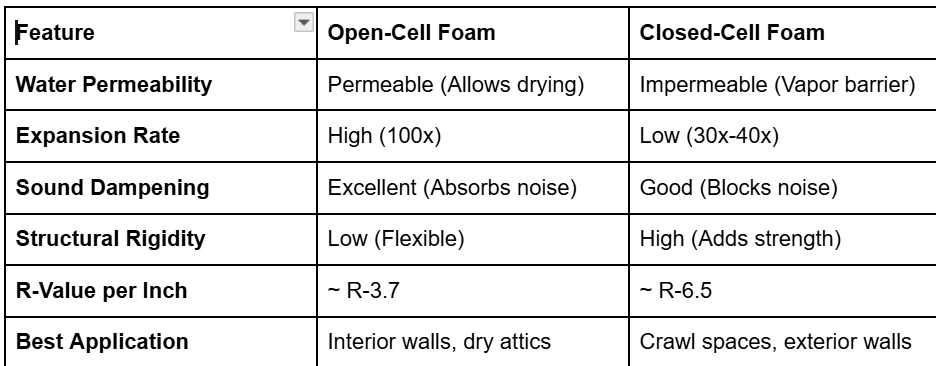
Comparison of Insulation Characteristics
To summarize the differences and clarify where open-cell foam fits, the following table compares it against the alternative.
Things to Consider Before Making a Decision
Before committing to open-cell spray foam insulation, property owners must evaluate the specific climate conditions of the installation area. In Grants Pass, using open-cell foam in a crawl space or below grade is generally not recommended because these areas are subject to constant ground moisture. Open-cell foam is best suited for attics, walls, and ceilings where the primary goal is air sealing and acoustic control.
Budget and Long-Term Goals
Homeowners should also consider their budget relative to their performance goals. If the objective is to soundproof a media room or isolate a noisy laundry area, open-cell foam is the superior and more economical choice. However, if the goal is to reinforce a pole barn structure against wind shear, the investment in closed-cell foam is necessary.
Bonus Tip: Blower Door Testing
Regardless of the foam type chosen, homeowners should request a blower door test before and after installation. This test measures the airtightness of the home and verifies that the insulation has effectively sealed the building envelope.
Questions People Ask About Open-Cell Foam
Is open-cell foam safe for electrical wiring?
Yes, open-cell foam is safe for electrical wiring. It does not react chemically with wire insulation (Romex). Because the foam is flexible, it is easy for electricians to push wires through it if changes are needed later, unlike rigid closed-cell foam which encases wires in a hard shell.
How long does open-cell spray foam last?
Open-cell spray foam is designed to last for the life of the building. It does not degrade, sag, or lose its R-value over time. Unless it is physically damaged by impact, UV exposure (sunlight), or water saturation over a long period, it requires no maintenance.
Can I install open-cell foam myself?
DIY kits are available, but they are generally not recommended for large projects. Achieving the correct chemical mix and temperature is critical for the foam to cure properly. Poorly mixed foam can remain tacky, smell bad, and fail to insulate. Professional equipment ensures a safe and effective application.
Does open-cell foam provide structural support?
No, open-cell foam is not structural. It is soft and flexible to the touch. It will not add racking strength to a wall or roof assembly. If structural reinforcement is a primary goal, closed-cell foam is the correct product to use.
Will open-cell foam stop sound between rooms?
Yes, open-cell foam is an excellent sound deadener. It is widely used in interior walls to reduce noise transfer between bathrooms, bedrooms, and entertainment areas. Its sponge-like texture traps sound waves, making homes significantly quieter.
Summary and Final Thoughts
The myths surrounding open-cell spray foam often obscure its value as a versatile and effective insulation solution. By understanding the reality of how it handles moisture, resists aging, and improves indoor comfort, homeowners can make informed decisions that go beyond simple R-value comparisons. It is not a "lesser" product but rather a specialized tool that excels in air sealing and sound management.
For residents in Southern Oregon, open-cell foam offers a breathable, cost-effective way to secure the building envelope against energy loss. Recognizing the difference between valid concerns and internet myths ensures that the investment in home performance yields the expected results in comfort and savings.
Taking the Next Step
Homeowners who want to separate fact from fiction regarding their specific property needs should consult with a certified insulation contractor. A professional assessment can determine if open-cell foam is the right fit for the attic or walls based on the home's design and location.
All Foam & Insulation, LLC provides honest, science-based guidance to residents in Grants Pass and the surrounding areas. They specialize in matching the right product to the right application to ensure long-term durability. To discuss your insulation project or ask specific questions, contact them at (541) 826-9600 or send an email to [email protected].
Reviewer: Lily Johnson offered her feedback after reviewing this post. With 8 years in the spray foam insulation field, her suggestions focused on improving outreach to homeowners seeking high-quality insulation solutions.











Sign in to leave a comment.