
Introduction
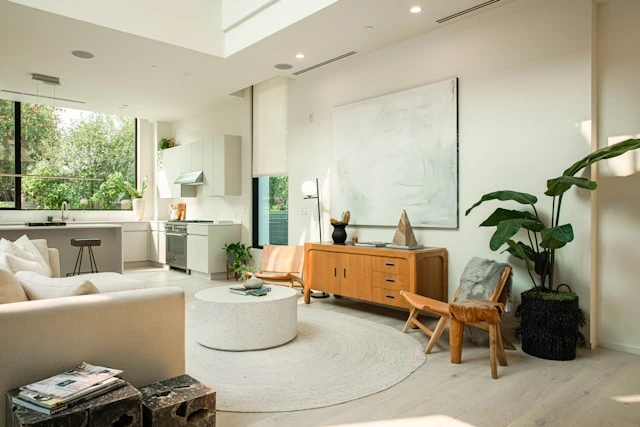
A harmonious living space is more than just pleasing—it's a sanctuary that nurtures well-being, balance, and comfort. The way we design and maintain our homes has a direct influence on our mood, productivity, and relationships. By thoughtfully combining organization, design, and personal touches, you can transform your living environment into a place that feels both inviting and restorative. Here are nine practical tips to help you create a home that radiates harmony.
Declutter and Simplify
Clutter is one of the biggest obstacles to harmony. Piles of unused items overflowing shelves and crowded surfaces create visual chaos and mental stress. Start by removing what no longer serves you—donate, recycle or discard items that take up unnecessary space. Simplifying your environment allows energy to flow and makes room for the things that matter.
Balance Natural and Artificial Light
Lighting has a crucial role in shaping the atmosphere of a room. Natural light boosts mood and energy while artificial lighting adds warmth and functionality. Aim for a balance: maximize daylight with sheer curtains or placed mirrors and complement it with layered lighting such as floor lamps, pendant lights, and dimmers. This combination ensures your space feels bright yet calming at any time of day.
Incorporate Nature Indoors
Bringing elements of nature inside has an influence on tranquility and connection. Plants purify the air and add vibrancy, while natural materials like wood and stone create grounding textures. For those who prefer low-maintenance options, the most realistic faux flowers can provide the same visual appeal without the upkeep. Integrating greenery and organic accents fosters a sense of balance and harmony.
Choose a Calming Color Palette
Colors have an influence on emotions, so selecting the right palette is crucial. Soft neutrals, muted blues, and earthy tones promote relaxation, while brighter accents can energize and uplift. Consider the purpose of each room when choosing colors—calming hues for bedrooms, energizing tones for workspaces, and warm shades for communal areas. A cohesive palette throughout the home creates flow and unity.
Prioritize Comfortable Furniture
Furniture should be both functional and comfortable. Rigid or oversized pieces can disrupt harmony, while well-chosen items encourage relaxation and ease. Invest in seating that supports posture yet feels inviting, and arrange furniture to enable conversation and movement. Comfort fosters a welcoming environment where people feel at home.
Create Dedicated Zones
Harmony often comes from structure. Designating specific areas to complete activities—such as reading nooks, workspaces, or relaxation corners—helps maintain order and purpose. Clear boundaries prevent overlap and clutter, ensuring each space serves its function . Even in smaller homes, thoughtful zoning can make the environment feel more organized and balanced.
Add Personal Touches
A harmonious space should reflect your personality and values. Display meaningful artwork, family photos, or souvenirs that evoke positive memories. Personal touches create emotional connection and authenticity, turning a house into a home. The key is moderation—curate items to avoid making the space feel overwhelming.
Maintain Cleanliness and Order
Cleanliness serves as the foundation for harmony. Dust, dirt, and disorganization can disrupt the atmosphere of a room. Establish simple routines to tidy up and to deep clean . Organized storage solutions, such as baskets or shelving, make it easier to maintain order. A clean environment not only looks better but also promotes peace of mind.
Embrace Flexibility and Flow
Harmony doesn't mean rigidity—it's about adaptability. Rearranging furniture, rotating décor, or refreshing textiles keeps the space energetic and inspiring. Flexibility allows your home to evolve with your needs and preferences. By embracing change, you maintain balance while preventing stagnation.
To Wrap Up
Creating a peaceful living space is about more than design—it's about building an environment that supports well-being, comfort, and connection. Through decluttering, thoughtful lighting, natural elements, calming colors, comfortable furniture, dedicated zones, personal touches, cleanliness, and flexibility, you can transform your home into a sanctuary. A balanced space not only improves daily life but also nurtures the spirit and makes your home a true reflection of peace.




























Sign in to leave a comment.