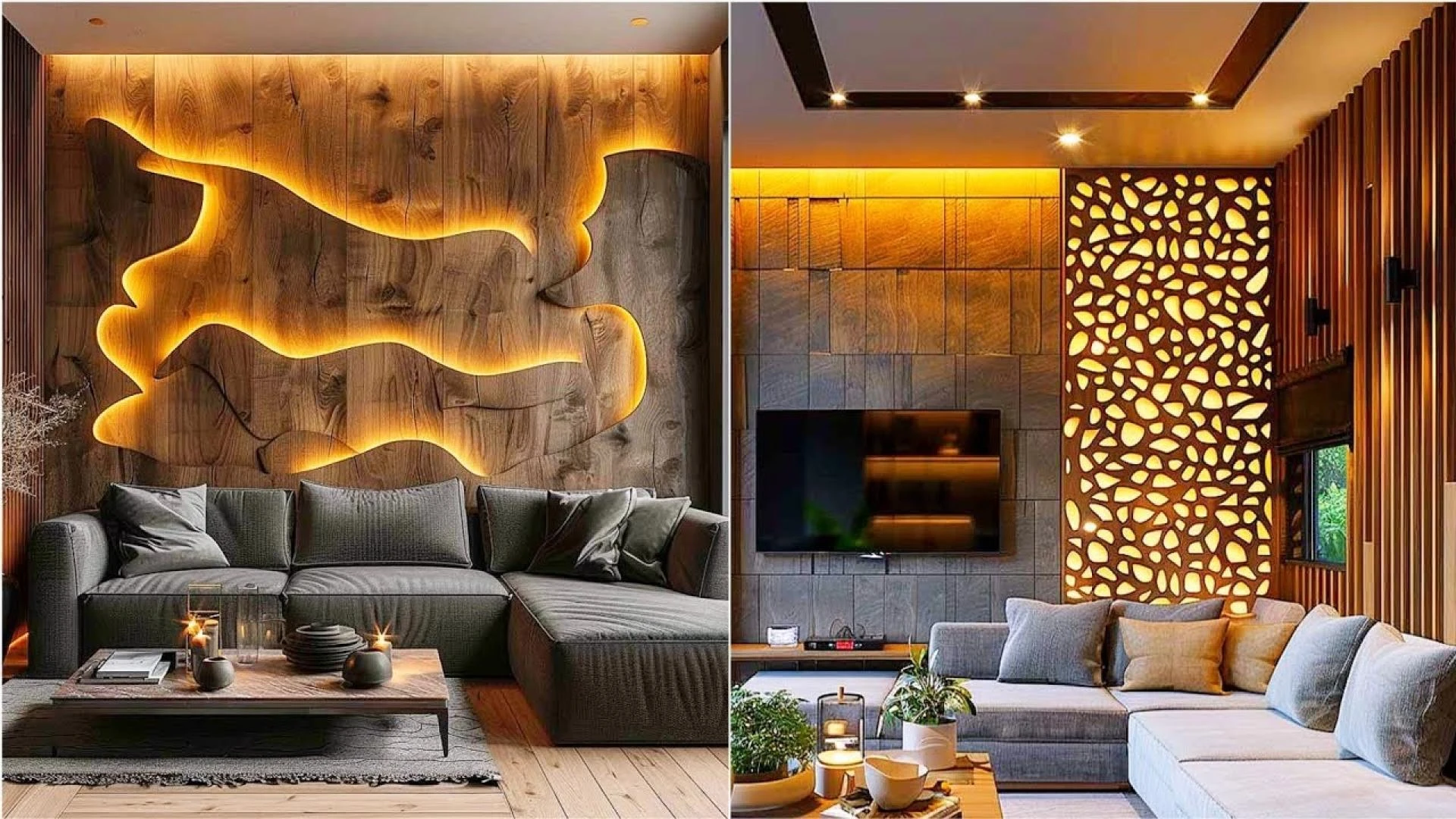

Wall paneling is an exceptional design element that not only elevates the aesthetic appeal of an interior space but also significantly enhances its acoustic qualities. Incorporating wall paneling into a room’s décor offers a refined and sophisticated look, blending functionality with style. One of the primary benefits of wall paneling is its ability to improve sound quality within a space. Unlike plain walls, which tend to reflect sound waves and create echoes or unwanted noise, panels made from materials such as wood, fabric, or specialized acoustic composites absorb and diffuse sound. This absorption helps to minimize reverberation, creating a quieter and more comfortable environment, especially in rooms where clear communication or a peaceful atmosphere is essential. The acoustic enhancement provided by wall paneling is particularly valuable in various settings, from residential living rooms and home theaters to commercial offices and restaurants. By controlling sound reflections, wall paneling improves speech intelligibility and reduces noise pollution, contributing to a more enjoyable and productive atmosphere.
This makes it an ideal solution for open-plan offices or shared spaces where multiple conversations or activities happen simultaneously. Moreover, the reduction in sound transmission can increase privacy, which is crucial in spaces such as meeting rooms or bedrooms. Beyond acoustics, wall paneling introduces a timeless elegance that can transform any room. Panels come in a wide array of styles, materials, and finishes, allowing for creative expression that complements diverse interior design themes. Traditional wood paneling brings warmth and natural texture, adding depth and richness to the walls. Modern options, including painted or lacquered panels, can offer a sleek and contemporary vibe. Some designs incorporate geometric patterns or three-dimensional textures, adding visual interest and making walls focal points within the space. The versatility of wall paneling enables it to suit everything from classic and rustic interiors to minimalist and avant-garde décors. Another advantage of wall paneling is its ability to conceal imperfections and provide added durability to walls.
Older walls with cracks, dents, or uneven surfaces can be hidden behind carefully installed panels, instantly refreshing the room’s appearance. The panels also protect the underlying wall from wear and tear, scratches, and impact damage, which is particularly useful in high-traffic areas such as hallways or commercial spaces. This combination of aesthetic enhancement and practical durability makes wall paneling a smart investment for both homeowners and business owners looking to maintain an attractive interior for years to come. Installation of wall paneling has become increasingly accessible due to advances in design and materials. Many modern panel systems are designed for easier application, with modular components that can be installed without extensive construction work and see this Recommended Site. This convenience has broadened the appeal of paneling to a wider audience, including those who may want to undertake a DIY home improvement project. Additionally, panels can be customized to fit specific room dimensions and design preferences, allowing for personalized interior solutions that cater to individual taste and spatial requirements.























Sign in to leave a comment.