

A meal plan for weight loss should support your daily life, not disrupt it. Yet many people feel overwhelmed by conflicting advice—remove carbs, avoid fats, eat less, track everything. Weight loss struggles are rarely about discipline. More often, they come from following systems that are too rigid to maintain. A realistic approach is built on balance, nourishment, and simple routines that fit into everyday living.
Why Restrictive Diets Rarely Work
Highly restrictive diets often demand extreme changes, such as cutting out entire food groups or avoiding familiar meals altogether. While these plans may lead to rapid results initially, they are difficult to sustain. Short-term trends like detox drinks or juice cleanses typically focus on temporary changes rather than long-term health. When routines feel unrealistic, consistency breaks down—and progress stalls.
Supporting the Body Through Proper Nourishment
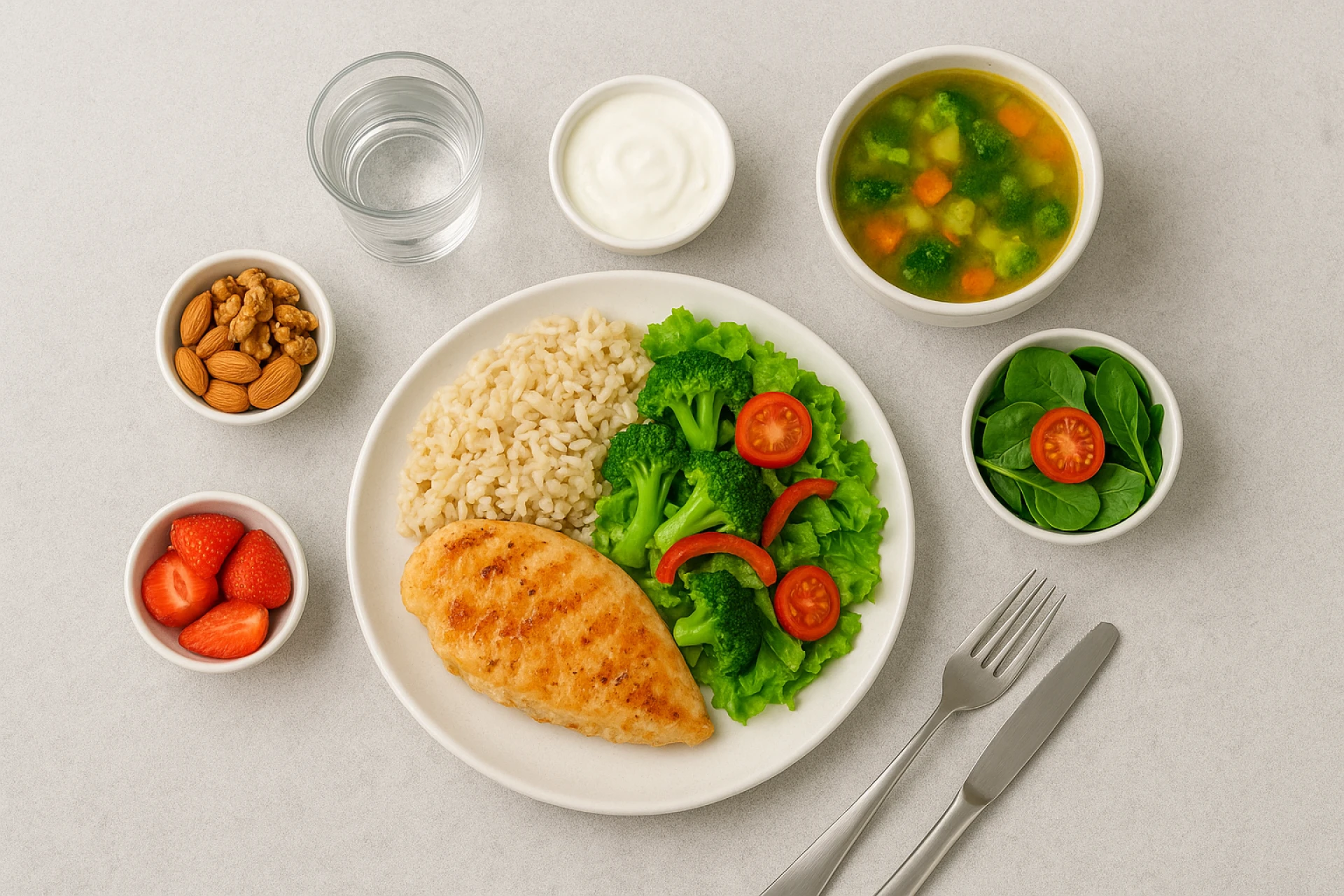
Weight loss works best when the body feels supported, not deprived. Severe calorie reduction can lead to low energy, irritability, and a slower metabolism. A gentle calorie deficit combined with nutrient-rich foods allows steady progress without exhaustion. Emphasising whole foods—such as lean proteins, natural fats, whole grains, fruits, and vegetables—helps maintain energy and overall wellbeing.
Two key nutrients deserve special attention:
- Protein, which helps preserve muscle mass, supports metabolic health, and promotes fullness.
- Fibre, found in plant-based foods and whole grains, which aids digestion and helps regulate appetite naturally.
A Simple Daily Eating Structure
Healthy eating doesn’t require strict rules or complex meals—just a reliable pattern you can repeat.
- Morning meal with protein: Start the day with foods that provide lasting energy, such as eggs, oats with fruit, or yoghurt.
- Well-balanced lunch: Choose meals with colour and variety to stay satisfied through the afternoon, such as grain bowls, salads with protein, or wraps.
- Light evening meal: Keep dinners simple and easy to digest—soups, vegetables with lean protein, or quick home-cooked dishes.
- Thoughtful snacks: Small snacks like fruit, nuts, or vegetables help manage hunger. Enjoying treats occasionally is part of a healthy routine.
Habits That Encourage Long-Term Success
Consistency becomes easier when daily habits are practical and flexible:
- Plan ahead: Preparing ingredients or meals in advance saves time and reduces stress.
- Drink enough water: Proper hydration supports digestion and helps prevent unnecessary snacking.
- Use visual portion cues: Your hand can guide portions without weighing food—simple and effective.
- Allow flexibility: One indulgent meal doesn’t erase progress. Returning to your routine is what matters.
Measuring Progress in Meaningful Ways
Weight changes aren’t always visible on the scale. Improvements often show up as better digestion, higher energy, fewer cravings, and clothes fitting more comfortably. Gentle daily movement—such as walking or stretching—can further support fat loss and mental wellbeing.
Creating a Lifestyle That Lasts
Sustainable weight loss is built on routines you enjoy and can maintain. When food choices feel satisfying and habits feel manageable, progress becomes natural rather than forced. The most effective meal plan to lose weight is one that fits your lifestyle, respects your body, and supports long-term health.


Sign in to leave a comment.