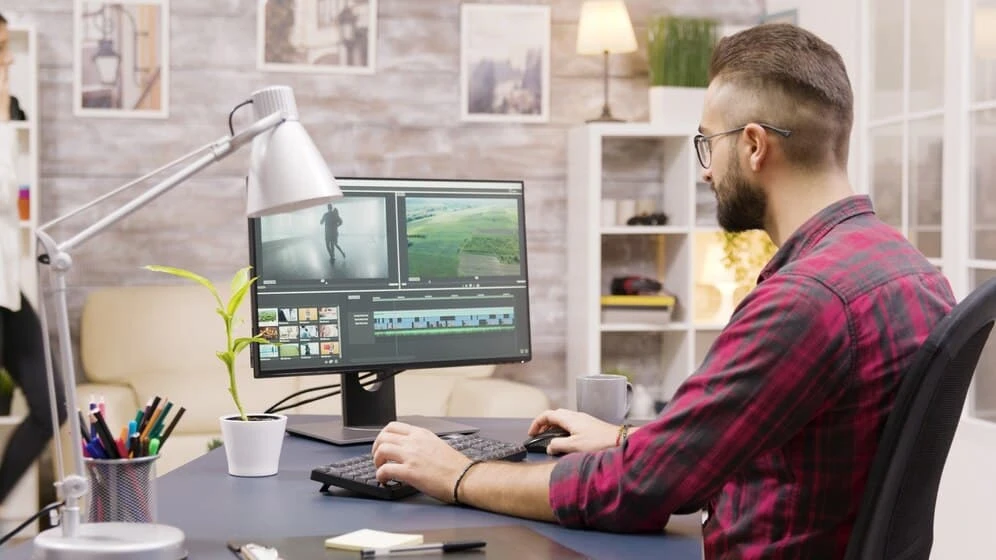

In the ever-evolving world of digital media, the art of videography editing has grown from a niche skill into an essential craft for storytellers, marketers, and creatives alike. For beginners stepping into this dynamic arena, understanding the foundational techniques of videography editing is crucial. This process not only enhances the visual appeal of raw footage but also shapes the narrative, mood, and impact of the final video product. This comprehensive guide delves deep into key editing practices, providing a detailed roadmap for newcomers eager to elevate their video projects with professional finesse.
Understanding the Role of Videography Editing
Videography editing is far more than simply cutting and joining clips. It is an intricate art form that transforms scattered scenes into a coherent story. At its core, editing defines the pacing, tone, and emotional resonance of a video. By skillfully manipulating footage, editors guide the viewer’s attention, highlight critical moments, and weave a seamless flow that maintains engagement throughout the presentation.
For beginners, grasping this conceptual framework is paramount. Editing decisions influence the narrative arc whether it’s a heartfelt documentary, an energetic promotional video, or a cinematic short film. Each cut, transition, and effect must serve the story’s purpose rather than distract from it. This narrative-driven approach to videography editing ensures that the final output is not just visually appealing but also compelling and meaningful.
Essential Techniques for Beginner Videographers
One of the first hurdles beginners face is mastering the technical aspects of editing software. While many options exist, ranging from user-friendly editors to advanced platforms, the foundational techniques remain consistent across tools. These include trimming, sequencing, transitions, color correction, and audio synchronization.
Trimming footage is the initial step, where unnecessary or irrelevant parts are removed to maintain a smooth flow. This requires a discerning eye to decide which moments carry the story forward and which detract from it. Sequencing follows, arranging clips in a logical order that supports the narrative structure. Beginners often learn to tell stories through chronological or thematic progression, but creative sequencing can also build suspense or emphasize emotional beats.
Transitions are the visual bridges between scenes. While beginners might instinctively reach for flashy effects, the most effective transitions are often subtle, such as fades or cuts that maintain rhythm and clarity. Overuse of elaborate transitions can disrupt viewer immersion and make the video appear amateurish.
Color correction is another critical technique that beginners must understand early on. Raw footage often suffers from inconsistent lighting and color tones. Adjusting brightness, contrast, saturation, and white balance not only enhances visual consistency but also establishes mood. For instance, cooler tones might evoke a somber atmosphere, while warmer hues can generate feelings of comfort and nostalgia.
Finally, audio editing is indispensable. Poor sound quality or mismatched audio can undermine even the most visually stunning video. Synchronizing audio with visuals, balancing levels, and incorporating sound effects or music are vital steps. Beginners often underestimate audio’s role, but it profoundly affects the viewer’s emotional connection and overall experience.
The Importance of Storytelling in Videography Editing
While technical proficiency forms the backbone of videography editing, storytelling is its soul. Editing is the tool through which stories come alive, and without a clear narrative intent, even polished videos risk feeling hollow. For beginners, approaching editing with a storyteller’s mindset transforms routine tasks into creative opportunities.
Every frame, cut, and transition should have a narrative purpose whether to reveal character, build tension, or deliver a punchline. Editing decisions must consider pacing, timing, and emphasis. For example, quick cuts can energize an action sequence, while slower transitions allow emotional moments to resonate. Understanding how to manipulate these elements enables editors to craft videos that engage audiences on intellectual and emotional levels.
Moreover, experimenting with different narrative structures during editing encourages creativity. Non-linear storytelling, flashbacks, or parallel storylines can add depth and complexity, making videos more memorable. This narrative flexibility is a hallmark of skilled videography editing and a powerful way for beginners to distinguish their work.
Common Challenges and How to Overcome Them
Beginners in videography editing often face a series of challenges that can feel daunting. Technical hurdles, creative blocks, and time management issues frequently arise during the editing process. However, developing strategies to overcome these obstacles is part of the learning curve and ultimately contributes to growth.
One common challenge is the overwhelming amount of footage. Beginners may struggle to decide what to keep and what to discard. The key is to remain focused on the story’s core message and audience expectations. Creating a rough cut that outlines the basic narrative flow helps streamline subsequent refinements.
Another frequent difficulty is achieving smooth transitions without jarring the viewer. This requires practice and an understanding of rhythm and timing. Beginners benefit from studying professional videos and analyzing how transitions support storytelling without drawing undue attention.
Technical glitches related to software or hardware can also disrupt workflow. Staying updated with tutorials, forums, and official documentation allows beginners to troubleshoot effectively. Regular backups and organized file management prevent data loss and reduce stress.
Lastly, creative fatigue can stall progress. Taking breaks, seeking feedback, and collaborating with peers can reignite inspiration. Importantly, beginners should view mistakes as learning opportunities rather than failures, fostering a positive mindset essential for mastering videography editing.
Emerging Trends in Videography Editing
The landscape of videography editing is continually shaped by technological innovations and evolving audience preferences. For those entering the field, staying informed about current trends provides a competitive edge and inspires fresh approaches.
One notable trend is the integration of artificial intelligence (AI) tools that assist in automating routine editing tasks such as color grading, scene detection, and audio enhancement. While these tools do not replace creative judgment, they enable beginners to focus more on storytelling and artistic choices.
Additionally, vertical video formats have surged in popularity due to social media platforms like Instagram and TikTok. Beginners must adapt their editing techniques to accommodate these formats, ensuring that content is optimized for mobile viewing while maintaining narrative clarity.
Another significant development is the use of immersive video technologies such as 360-degree footage and virtual reality. These formats challenge traditional editing paradigms and encourage experimentation with spatial storytelling. Although advanced, gaining familiarity with these emerging formats positions beginners for future opportunities.
Lastly, the growing emphasis on authentic, raw-style videos reflects a shift towards realism over polished perfection. This trend encourages editors to embrace imperfections when they serve the story, promoting a more genuine connection with audiences.
Practical Tips for Aspiring Videography Editors
To thrive in the field of videography editing, beginners should cultivate a blend of technical skills, creative intuition, and disciplined workflow habits. First and foremost, consistent practice is indispensable. Editing diverse footage types and experimenting with different styles sharpens both technical acumen and artistic sensibility.
Seeking constructive feedback from experienced editors or target audiences offers valuable insights that refine editing choices. Participating in online communities and challenges can also provide motivation and exposure to varied perspectives.
Organizing projects meticulously, including labeling clips and maintaining backups, prevents confusion and enhances efficiency. Time management is equally crucial; setting realistic goals and breaking projects into manageable segments helps maintain momentum and reduces burnout.
Finally, investing time in learning the underlying principles of cinematography such as composition, lighting, and camera movement enriches an editor’s understanding of raw footage qualities and potential. This knowledge informs more nuanced editing decisions, resulting in videos that resonate deeply with viewers.
Conclusion: Elevate Your Vision with Expert Videography Editing
Embarking on a journey into videography editing opens doors to endless creative possibilities. By mastering the essential techniques, embracing storytelling, and navigating challenges with resilience, beginners can transform raw footage into captivating visual narratives. The ongoing evolution of technology and viewer preferences offers exciting opportunities to innovate and connect with audiences in meaningful ways.
For those aspiring to take their videography editing skills to the next level, partnering with experienced professionals can provide invaluable guidance and support. Enlightened Pictures Inc. stands ready to help bring your creative visions to life with expert editing services tailored to your unique needs. Don’t just tell your story make it unforgettable. Reach out today and discover how your footage can be transformed into a masterpiece that truly captivates.





















Sign in to leave a comment.