
A Beginner's Guide to Compact Loaders
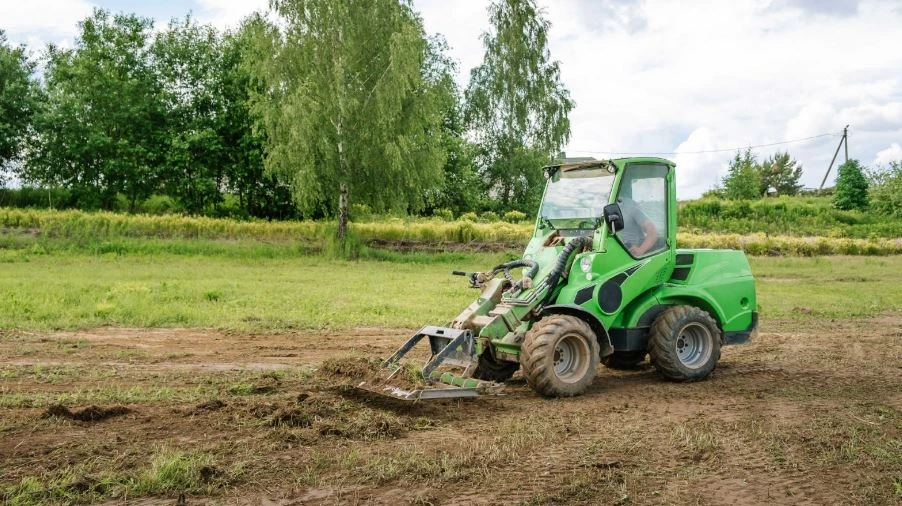
Modern industries rely on heavy equipment to boost productivity and efficiency. A compact loader is a type of machinery that can perform a wide array of tasks for varying industries. Compactly designed, it is capable of manoeuvring within tight spaces. It is also efficient and powerful despite being smaller than other heavy machines.
A compact loader is also called a skid steer loader (SSL). It has lift arms that can work with different labour-saving attachments, such as buckets, forks, grapples, rakes, and shears, to name a few.
This article explains the major components of this modern machine and its primary functions across different labour sectors.
5 Key Components of a Compact Loader
These are the essential parts of a compact loader or SSL and how they contribute to the machine's overall performance.
Operator Cabin
Let's start with the central component of the compact loader: the cabin. A licensed operator uses a control panel and other instruments to direct the machine's movement and attachments.
A cabin provides 360-degree visibility and has a comfortable, ergonomic seat for extended working duration.
Engine
Like any modern machine, a compact loader has an internal combustion engine that powers the equipment. It uses diesel as fuel to provide sufficient horsepower and torque to perform heavy-duty tasks.
The engine has a built-in cooling system to regulate the machine's operating temperature. Maintaining this component requires regular inspection and oil and filter changes.
Hydraulic System
Compact loaders also use a hydraulic system to deliver power, control, and precision. Using pressurised hydraulic fluid, the operator can control the valves and direct the different parts of the machine to move, lift, and perform various tasks.
Chassis
The skeleton of a compact loader is called the chassis. As the main framework of the machine, it is made of steel strong enough to provide structural support and house the engine, hydraulic system, and other SSL components.
Attachments
A compact loader or SSL can adapt to varying task and terrain requirements because of its replaceable attachments.
Buckets can scoop and transport heavy construction debris and materials; trenchers are the diggers for irrigation and drainage, forks are best for lifting, loading, and unloading products, and grapples have a claw-like structure for handling rocks, brush, logs, and other large loads.
There are many other attachments compatible with a compact loader. These include hammers, blowers, mulchers, and sweepers.
Uses of Compact Loaders
The applications of compact loaders vary depending on the demand of the project and work site terrain.
Construction
Loaders have practical applications in the construction industry for excavation, grading, site clean-up, and material handling.
Landscaping
For landscapers, a compact loader can help transport heavy materials, level, and grade the ground, and dig trenches for soil preparation.
Farming
Farmers use loaders to load, unload, and transport animal feed and agricultural equipment. These machines are also helpful for clearing debris and digging.
Waste Management
Loaders are also ideal equipment in the waste management sector. Aside from removing debris, these machines can safely transport construction, garden, and general home or office wastes. These can help project owners or building managers keep clean and organised facilities.
Remember that you can only enjoy the advantages of compact loaders if you buy them from licensed heavy machinery and equipment suppliers in New Zealand. Make the right choice and partner with a trusted NZ compact loader provider today!








Sign in to leave a comment.