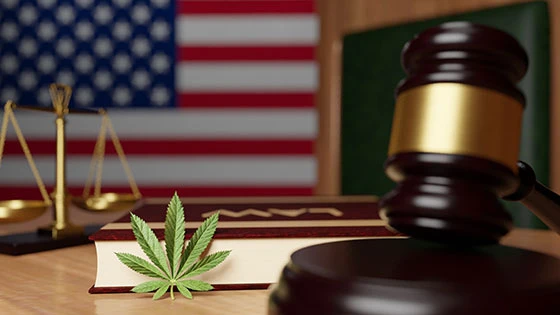

The legalization of Cannabis in Canada on October 17th, 2018 has caused a lot of buzz and confusion. In the days following there has been more than a little misinformation circulating around the web - we get it. With the understanding that some people might be lost when it comes to understanding weed laws in Canada, we wanted to bring you a brief overview so that you're not totally left in the dark!
What is the Legal Status of Weed in Canada?
The legal status of weed in Canada has been a hot topic of debate for many years. The country has been slow to change its laws on the matter, but recent developments have led to a more open discussion on the topic.
As of October 17, 2018, recreational weed is now legal in Canada. This means that adults over the age of 18 can purchase and consume cannabis products from licensed retailers. However, there are still some restrictions in place. For example, smoking weed in public places is not allowed and each province has set its own rules on where cannabis can be sold.
Medical marijuana has been legal in Canada since 2001. This means that people with certain medical conditions can get a prescription from their doctor to use cannabis for therapeutic purposes.
The current legal status of weed in Canada is complex and ever-changing. It's important to stay up-to-date on the latest developments so that you can make informed decisions about your own use of cannabis products.
Medical Marijuana
The use of medical marijuana is legal in Canada. However, there are restrictions on who can use it and how it can be obtained. Only those with a valid prescription from a licensed medical practitioner can use medical marijuana. Prescriptions must be for a specific purpose, such as relieving pain or managing symptoms of a disease or condition.
Medical marijuana can be obtained from licensed producers or dispensaries. It can also be grown at home, but only if the grower has a valid prescription and license. The amount of marijuana that can be possessed varies depending on the province or territory but generally ranges from 2 to 7 ounces.
There are strict laws governing the use of medical marijuana in Canada. Those who break the law may be subject to criminal penalties, including fines and imprisonment.
Using Weed for Recreational Purposes
The use of weed for recreational purposes is legal in Canada. There are a few things to keep in mind when using weed recreationally, such as where you can purchase it and how much you can possess.
You must be 18 years or older to purchase, use, or grow weed in Canada. It is illegal to sell weed to minors.
You are allowed to possess up to 30 grams of dried cannabis in public. You are also allowed to grow up to 4 cannabis plants per household (not per person).
Weed can be purchased from licensed retailers or online from licensed producers. You cannot purchase weed from unlicensed sources.
It is important to know your local laws regarding where you can consume cannabis. In some places, like Ontario, smoking weed is only allowed on private property. In other places, like Alberta, smoking weed is allowed anywhere that tobacco smoking is allowed.
Be sure to dispose of your weed properly when you are finished with it. Do not leave it lying around where children or pets could find it.
Dispensaries and Licensed Producers
As of October 17, 2018, the Cannabis Act came into effect, making it legal for adults in Canada to purchase, grow, and use cannabis. The Act regulates both medical and recreational cannabis, and sets strict rules around its production, distribution, and sale.
There are two types of licensed cannabis producers in Canada: micro-cultivators and large-scale cultivators. Micro-cultivators are allowed to grow a maximum of 200 plants at any given time, while large-scale cultivators can grow up to 50,000 plants. All licensed cultivators must have a secure facility with appropriate security measures in place, as well as meet stringent quality control standards set by Health Canada.
Cannabis dispensaries are regulated at the provincial level, meaning that each province has different rules around where dispensaries can be located and how they can operate. In some provinces (such as Alberta), private retail stores are allowed to sell cannabis; in others (such as Quebec), only government-run stores are permitted. Dispensaries must follow all provincial regulations around things like hours of operation and product display.
It is important to note that the Cannabis Act does not supersede existing laws around things like impaired driving or selling cannabis to minors – these activities remain illegal and punishable by law.
Conclusion
As the legal landscape surrounding cannabis continues to evolve, it's important to stay up-to-date on the latest laws. In Canada, the rules and regulations surrounding cannabis use are constantly changing, so it's important to be aware of the most current information. This overview provides a brief summary of the weed laws in Canada as they stand today. However, it's always best to consult with a lawyer before consuming or possessing cannabis, as the laws can change at any time. To know more about Canada laws and Canadian strains you can check out Canada weed tours.






























Sign in to leave a comment.