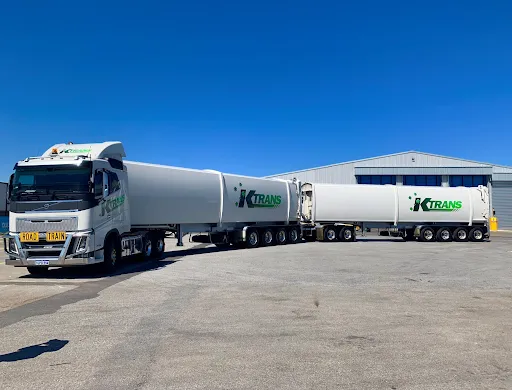

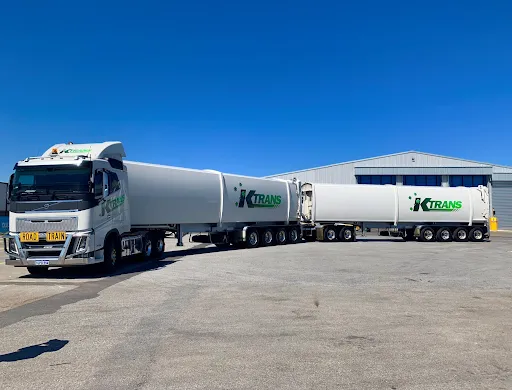
Moving large volumes of waste over distance is a core challenge for transfer stations, councils, and contractors. Waste transfer trailers are built for exactly this task, carrying compacted loads efficiently and cutting the number of trips a site needs to make. The right trailer lowers fuel and labour costs while keeping operations on schedule, which matters most when routes are long and tight.
Choosing poorly leads to wasted capacity, frequent breakdowns, and rising transport bills that quickly outweigh any saving on the purchase price. Because these trailers are a serious investment, it pays to compare the factors that really drive performance and value rather than the sticker alone. A tidy, well-planned waste process keeps a site safer and frees staff to focus on the work that matters. Many operators find that documenting their current process first reveals quick wins they had not noticed.
Key Features to Compare
A handful of practical factors separate a trailer that performs for years from one that disappoints. Weigh them together rather than focusing on price alone, since the cheapest unit is rarely the cheapest to run. Operators who run waste transfer trailers over long Australian routes know that durability and payload efficiency are what really drive the cost per tonne.
Build Quality and Material Factor
Look at the steel grade, the welds, and the floor construction, since these decide how the trailer copes with abrasive, heavy loads. Quality waste transfer trailers are engineered to resist the wear that quickly destroys cheaper builds and sidelines them for repairs.
Fit and Use-Case Factor
Match capacity and discharge type to your routes and tipping sites. Walking-floor and ejector designs suit different operations, so choose based on how and where you unload, and on the access constraints at each site you serve. Reviewing your volumes honestly at the outset is the single best way to avoid an awkward mismatch later. A short trial or site assessment often clears up any uncertainty before a final commitment is made.
Long-Term Value Factor
Consider maintenance, parts availability, and resale value across the trailer's working life. A robust unit that stays in service costs far less per tonne moved than a bargain that spends time off the road waiting for parts. Well-specified waste transfer trailers also unload quickly and cleanly, which keeps drivers on schedule and tipping sites moving.
Questions to Ask Before Choosing
Direct questions quickly reveal whether a supplier understands high-volume operations and can support you long term rather than just close a sale. Good suppliers are happy to talk through your layout and routine before recommending anything specific.
- What payload and capacity suit my typical routes?
- How is the floor and body protected against abrasive loads?
- What servicing and parts support is available across Australia?
- What lead times apply from order to delivery?
It is also wise to confirm compliance with road and load regulations. A supplier who explains these clearly helps you avoid fines and keep your fleet legal and efficient, which protects both your reputation and your operating budget. Choosing waste transfer trailers built for heavy, abrasive loads protects your investment and keeps the fleet earning rather than sitting idle.
Think about how the trailer fits alongside the rest of your fleet too. Standardising on compatible equipment simplifies training, maintenance, and spares, and it keeps drivers confident whichever unit they are assigned on any given day. Planning a little capacity in reserve keeps the system working smoothly as the operation grows.
Final Thoughts
Selecting the right trailer comes down to matching build quality, capacity, and support to the demands of your routes. By inspecting construction, asking pointed questions, and planning for maintenance, you secure a unit that earns its keep for years. Seen as part of your wider waste management solutions, a well-chosen trailer keeps high-volume operations running efficiently and affordably.



























Sign in to leave a comment.