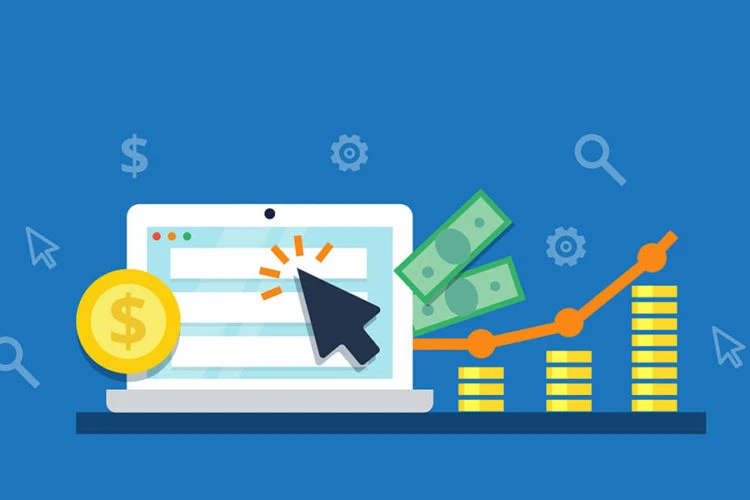

Paid advertising refers to the practice of paying for the placement of an advertisement on a website, social media platform, or other online property. The goal of paid advertising is to drive traffic to a website or increase brand awareness by placing ads in front of a targeted audience.
Different types of paid advertising include search engines, displays, social media, and video advertising. Each type of paid advertising has unique characteristics and is suitable for different businesses and marketing objectives.
Paid advertising can be a powerful tool for businesses looking to reach a specific audience, increase website traffic, or drive sales. However, it's important to carefully plan and manage a paid advertising campaign to ensure that it is effective and produces a positive return on investment. If you're not experienced with paid advertising, it may be worth considering hiring a paid advertising service to help you create and manage your campaigns.
Types of paid advertising:
1. Search engine advertising:
Whenever an individual searches for a specific keyword, ads pop up on the (SERPs), and it’s called search engine advertising. The most reputed search engine advertising platform is Google AdWords.
2. Display advertising:
This type involves placing banner ads or other graphical ads on websites or social media platforms. Display ads can be targeted to specific audiences based on factors such as demographics and interests.
3. Social media advertising:
It involves posting ads on social media platforms like Facebook, Instagram, and LinkedIn. Social media advertising allows businesses to target specific audiences based on demographics, interests, and behaviours.
4. Video advertising:
This type of advertising involves placing video content on platforms such as YouTube, Hulu, and other video streaming sites. Video ads can be targeted to specific audiences based on demographics and interests.
5. Native advertising:
This type of advertising involves placing ads designed to blend in with the content of the website or platform where they are displayed. Native ads are often used to promote content or products in a way that is less intrusive than traditional display ads.
How does paid advertising work
Paid advertising works by placing ads in front of a targeted audience in exchange for a fee. The fee is usually based on the number of clicks on the ad, the number of impressions (times the ad is displayed), or the number of actions taken as a result of the ad (such as a purchase).
There are many different platforms for paid advertising, including search engines, social media platforms, and websites. When a business wants to run a paid advertising campaign, they typically work with an ad platform to create and place its ads.
To create a paid advertising campaign, businesses typically start by choosing the platform they want to advertise on and the specific audience they want to target. They then make the ad content and set a budget for the campaign. The ad platform will display the ad to the targeted audience, and the business will be charged a fee each time someone clicks on the ad or takes a specific action resulting from the ad.
Paid advertising campaigns can be highly targeted and customised, allowing businesses to reach specific audiences and achieve particular marketing objectives. However, it's important to carefully plan and manage a paid advertising campaign to ensure that it is effective and produces a positive return on investment.
Here are the steps to building a paid advertising campaign:
Define your objectives:You need to have a clear idea of what you are willing to achieve with your paid advertising campaign. Whether your goal is to build brand awareness, drive traffic to your website or increase sales, having a clear objective is essential. It will help guide the rest of your campaign planning.
Choose your platform:There are many platforms for paid advertising, including search engines, social media, and websites. Choose the platform that best aligns with your objectives and target audience.
Determine your target audience:Who do you want to reach with your paid advertising campaign? Identify your target audience based on demographics, interests, and behaviours.
Set your budget:You need to set up a budget of how much you are willing to spend on your paid advertising campaign. This will help you determine the scope and scale of your campaign.
Create your ad content:Develop engaging and relevant ad content that will appeal to your target audience. Make sure to include a clear call to action to encourage people to take a specific action, such as visiting your website or making a purchase.
Set your bid amount:Most paid advertising platforms use a bidding system to determine which ads are displayed and how often. Set your bid amount based on your budget and the competitiveness of the keywords or audience you are targeting.
Launch your campaign:Once your ad content is ready and you have set your bid amount, you can launch your paid advertising campaign. Monitor the performance of your campaign regularly and make adjustments as needed to optimise its effectiveness.
Overall, building a paid advertising campaign requires careful planning and attention to detail to ensure that it is effective and produces a positive return on investment.
There are several benefits to using paid advertising, and a few of them are listed below:
1. Targeted reach:
Paid advertising allows businesses to target specific audiences based on demographics, interests, and behaviours, which can help ensure that the right people see their ads.
2. Measurable results:
Paid advertising provides businesses with detailed analytics and tracking tools, which allow them to measure the effectiveness of their campaigns and make data-driven decisions.
3. Cost-effective:
Paid advertising can be cost-effective, especially when compared to more traditional forms of advertising such as print or radio. With paid advertising, businesses only pay when someone clicks on their ad or takes a specific action, such as making a purchase.
4. Quick results:
Paid advertising can generate results quickly, which can be especially useful for businesses looking to drive traffic or sales in the short term.
5. Increased brand awareness:
Paid advertising can increase brand awareness by placing ads in front of a large audience. This can be especially useful for businesses looking to build their brand or reach a new market.
Overall, paid advertising can be a powerful tool for businesses looking to reach a specific audience, drive traffic and sales, and increase brand awareness.







Sign in to leave a comment.