


Industrial facilities consume significant amounts of electrical energy to operate machinery, production lines, HVAC systems, pumps, motors, compressors, lighting, and other equipment. Monitoring this consumption accurately is important for controlling operating costs, identifying inefficient equipment, and maintaining better energy management practices. A suitable energy meter can provide valuable information about how electricity is being used across different parts of an industrial facility.
A Three Phase Energy Meter for Industrial Use is designed to measure electrical energy in three-phase power systems commonly found in factories, manufacturing units, workshops, commercial buildings, and other high-load applications. However, selecting the right meter requires consideration of several technical and operational factors.
This guide explains the important points to consider when choosing a three-phase energy meter for industrial applications.
What Is a Three Phase Energy Meter?
A three-phase energy meter is an electrical measuring device used to monitor energy consumption in a three-phase electrical system. Unlike meters designed for single-phase circuits, three-phase meters measure electrical parameters across three phases.
Industrial electrical systems commonly use three-phase power because it is suitable for operating motors and other heavy electrical loads. A three-phase energy meter can help measure the electricity consumed by a facility, production section, machine, or other connected load.
Depending on the meter model, it may provide information such as energy consumption, voltage, current, power, power factor, frequency, and other electrical parameters.
Why Use a Three Phase Energy Meter for Industrial Applications?
Industrial facilities often have multiple machines and electrical systems operating simultaneously. Simply monitoring the total electricity bill may not provide enough information to understand where energy is being consumed.
Installing appropriate meters at different points can help businesses monitor individual production areas or major loads.
A Three Phase Energy Meter for Industrial Use can support:
- Monitoring electricity consumption
- Tracking energy usage by equipment or production areas
- Identifying unusual consumption patterns
- Supporting energy management
- Comparing energy consumption between different periods
- Improving visibility into industrial electrical systems
- Supporting internal energy-efficiency initiatives
The exact benefits depend on the meter's capabilities, installation, and how the collected data is used.
1. Understand Your Electrical System
Before selecting a meter, first understand the electrical system where it will be installed.
Important factors include the number of phases, voltage level, current range, frequency, wiring configuration, and type of load.
Industrial systems can have different electrical characteristics depending on the facility and equipment. Therefore, selecting a meter based only on its appearance or price is not recommended.
The meter should be compatible with the electrical parameters of the installation.
If you are uncertain about the required specifications, consult a qualified electrical professional before purchasing or installing the equipment.
2. Determine the Required Current Range
Current capacity is another important consideration.
Industrial equipment can consume considerably more current than typical residential loads. A meter must therefore be suitable for the expected current levels.
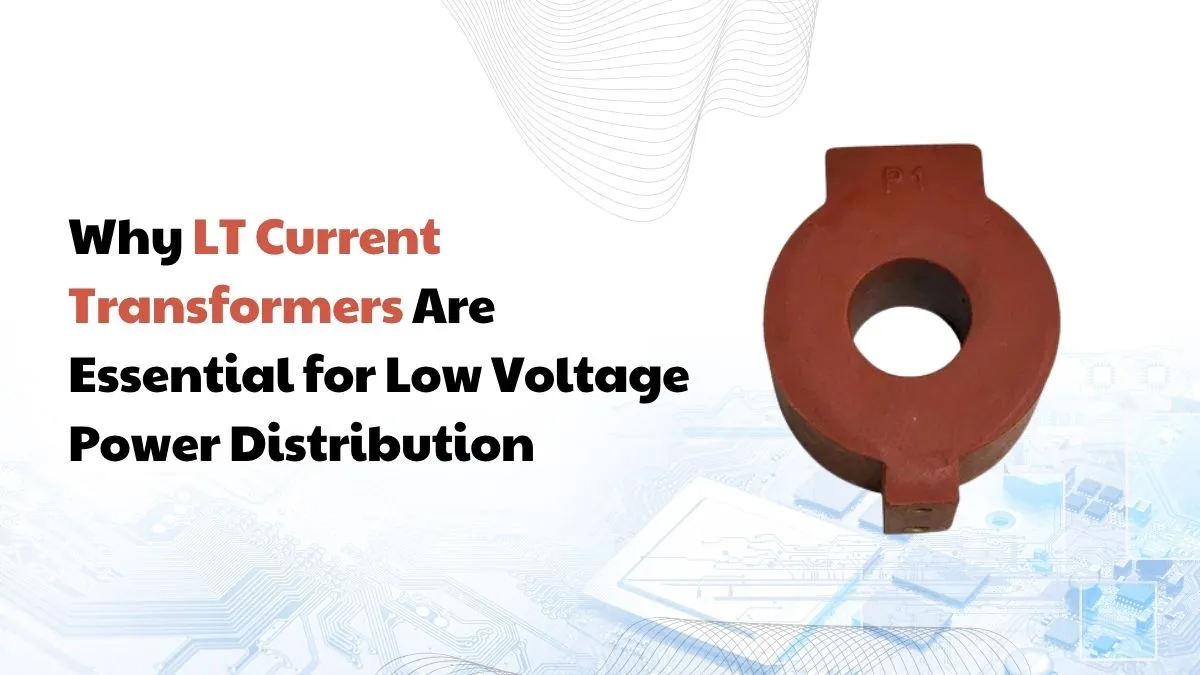
Some applications may use direct-connected meters, while higher-current installations may require current transformers (CTs). The appropriate configuration depends on the electrical system and the meter's specifications.
Before purchasing, determine the normal operating current as well as potential maximum current. Choosing an appropriately rated meter helps ensure that the device is suitable for the intended application.
3. Check Measurement Accuracy
Accuracy is particularly important when energy measurements are used for billing, cost allocation, energy analysis, or operational decisions.
Different meters offer different accuracy classes and measurement capabilities. When comparing products, check the manufacturer's specified accuracy and the applicable standards or certifications.
For industrial energy monitoring, the required accuracy should be determined based on how the measurement data will be used.
For example, a meter used for general energy monitoring may have different requirements from equipment used for more formal energy accounting or sub-billing applications.
4. Consider the Display and Readability
A clear display can make monitoring electrical parameters easier for operators and maintenance personnel.
Depending on the model, a digital energy meter may display values such as:
- Voltage
- Current
- Active power
- Energy consumption
- Frequency
- Power factor
- Other electrical parameters
A meter with an easy-to-read display can be useful in industrial environments where operators need to check measurements quickly.
However, display requirements depend on the installation. Some systems may rely primarily on remote monitoring rather than local display readings.
5. Look for Communication and Data Monitoring Features
Modern industrial energy monitoring often involves collecting electrical data for analysis.
Some three-phase energy meters can communicate with monitoring systems using supported communication interfaces or protocols. Depending on the model, this may allow measured information to be transferred to a monitoring platform, control system, or energy management system.
Before choosing a meter with communication capabilities, check:
- Available communication interface
- Supported protocol
- Communication distance
- Integration requirements
- Data parameters available
- Compatibility with existing systems
Remote data access can be particularly useful when a facility wants to monitor several meters from a centralized location.
6. Evaluate Installation Requirements
The physical installation method should also be considered.
Energy meters are available in different designs and mounting configurations. Some may be suitable for panel mounting, while others may have different installation arrangements.
Check the available panel space, wiring configuration, terminal arrangement, enclosure requirements, and environmental conditions before selecting the product.
Electrical installation should be performed by a suitably qualified professional and according to applicable safety requirements.
7. Consider Environmental Conditions
Industrial environments can expose electrical equipment to dust, vibration, temperature variations, moisture, and other conditions.
Before selecting a meter, review its specified operating temperature, environmental protection, installation requirements, and enclosure characteristics.
If the meter is going to be installed in a harsh industrial environment, the product should be appropriate for those conditions.
Environmental compatibility can contribute to reliable operation and help reduce avoidable equipment problems.
8. Think About Energy Monitoring at Different Levels
Large industrial facilities may benefit from monitoring electricity at multiple levels.
A main meter can measure overall facility consumption, while additional meters can monitor individual departments, machines, production lines, or buildings.
This approach can help identify which areas consume the most electricity.
For example, a manufacturing facility might monitor the main incoming supply and separately measure major production sections. Comparing these measurements can provide better visibility into energy distribution.
The number and placement of meters should be based on the facility's monitoring objectives.
9. Three Phase Energy Meter vs Single Phase Sub Meter
It is important to understand that a three-phase meter and a Single Phase Sub Meter are designed for different electrical applications.
A three-phase energy meter is intended for three-phase systems and is commonly used for industrial equipment, production areas, commercial facilities, and larger electrical loads.
A Single Phase Sub Meter, on the other hand, is designed for single-phase circuits. It can be useful for monitoring electricity consumption in individual rooms, shops, offices, residential units, or other single-phase loads.
The choice depends on the electrical supply and the purpose of monitoring.
If the load is supplied through a three-phase system, a suitable three-phase meter should generally be considered. For an individual single-phase circuit, a single-phase sub-meter may be more appropriate.
10. Check the Meter's Features
Different industrial energy meters provide different levels of functionality. When comparing products, consider the features that are actually useful for your application.
Potential features may include:
- Digital energy measurement
- Multi-parameter monitoring
- Voltage measurement
- Current measurement
- Power measurement
- Power factor monitoring
- Frequency measurement
- Data communication
- Remote monitoring
- Event or alarm functions
- Data storage
Not every installation requires every feature. Selecting only the capabilities that support your monitoring goals can make the system more practical and cost-effective.
11. Consider Compatibility With Your Energy Management System
If your facility already uses an energy management, building management, automation, or industrial monitoring system, check whether the proposed meter can integrate with it.
Compatibility can be important when multiple meters need to communicate with a centralized platform.
Before purchasing, confirm the communication requirements with the system integrator or technical team. This can help prevent compatibility problems after installation.
12. Evaluate Long-Term Reliability
Industrial energy meters may remain in service for extended periods, so reliability should be considered alongside initial purchase price.
Look for products from established manufacturers that provide clear technical specifications, installation instructions, warranty information, and technical support.
A low-cost meter may not necessarily provide the best overall value if it lacks the features, compatibility, documentation, or support required for the application.
The best choice is generally the meter that provides appropriate technical performance and useful features for the intended installation.
How to Choose the Right Meter
A practical selection process can begin with a simple checklist.
First, identify whether the electrical system is single-phase or three-phase. Next, determine the voltage, current range, wiring configuration, and monitoring requirements.
Then decide whether you need only energy measurement or additional parameters such as voltage, current, power, power factor, and frequency.
If remote monitoring is required, select a meter with appropriate communication capabilities. Also consider installation space, environmental conditions, accuracy requirements, and compatibility with existing monitoring systems.
Finally, compare products based on specifications, reliability, support, warranty, and overall suitability rather than choosing only according to price.
Common Applications of Three Phase Energy Meters
Three-phase energy meters can be used in many industrial and commercial environments.
Common applications include:
- Manufacturing plants
- Industrial workshops
- Production lines
- Warehouses
- Commercial buildings
- Hotels
- Shopping facilities
- Pumping systems
- HVAC systems
- Large machinery
- Industrial power distribution panels
They can be installed at the main incoming supply or at selected distribution points depending on the monitoring requirements.
Benefits of Better Industrial Energy Monitoring
Accurate energy monitoring can help businesses understand how electricity is being consumed throughout their facilities.
By reviewing energy data, organizations may identify unusually high consumption, compare production areas, evaluate equipment performance, and develop strategies for reducing unnecessary energy use.
Energy monitoring can also support internal reporting and energy-efficiency programs.
However, a meter itself does not automatically reduce electricity consumption. Its primary role is to provide useful measurement information. The value comes from analyzing that information and taking appropriate operational or maintenance actions.
Final Thoughts
Choosing the right Three Phase Energy Meter for Industrial Use requires careful consideration of the electrical system, current range, measurement accuracy, communication requirements, installation conditions, environmental factors, and monitoring objectives.
A suitable meter can provide valuable information about electricity consumption across industrial facilities and help organizations develop better energy-monitoring practices.
It is also important to distinguish between three-phase meters and devices such as a Single Phase Sub Meter, because each is designed for different electrical systems and applications.
Before purchasing, review the manufacturer's technical specifications and ensure that the selected meter matches the electrical characteristics and monitoring requirements of the installation. For complex industrial systems, professional electrical guidance can help ensure proper selection and installation.
FAQs
1. What is a Three Phase Energy Meter for Industrial Use?
A Three Phase Energy Meter for Industrial Use is an electrical measuring device designed to monitor energy consumption in three-phase electrical systems commonly used in factories, manufacturing units, workshops, and commercial facilities.
2. Why is a three-phase energy meter important for industrial applications?
It helps businesses monitor electricity consumption, understand energy usage patterns, track major electrical loads, and support better energy management and cost-control decisions.
3. What parameters can a three-phase energy meter measure?
Depending on the model, a three-phase energy meter may measure energy consumption, voltage, current, active power, frequency, power factor, and other electrical parameters.
4. What is the difference between a three-phase energy meter and a Single Phase Sub Meter?
A three-phase energy meter is designed for three-phase electrical systems, while a Single Phase Sub Meter is designed for monitoring electricity consumption on individual single-phase circuits.
5. How do I choose the right three-phase energy meter for an industrial facility?
Consider the electrical system, voltage, current range, accuracy requirements, wiring configuration, communication features, installation method, environmental conditions, and required measurement parameters before selecting a meter.
6. Can a three-phase energy meter provide remote monitoring?
Some advanced meters support communication interfaces that allow energy and electrical data to be transferred to centralized monitoring or energy management systems. The available communication features depend on the specific meter model.























Sign in to leave a comment.