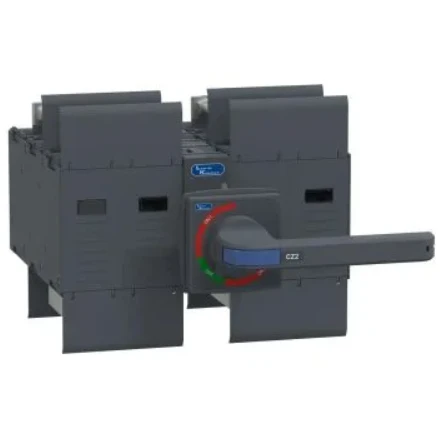

The electrical requirements of homes, offices, and commercial buildings are becoming increasingly complex as modern living demands more energy-efficient, safe, and reliable systems. One of the most crucial elements in keeping an electrical setup secure and efficient is the distribution panel board. Often referred to as the heart of an electrical installation, the panel board controls power distribution, safeguards circuits, and ensures the stable performance of connected devices and appliances.
With multiple configurations, capacities, and safety features across brands and models, choosing the right distribution panel board can seem overwhelming. This comprehensive guide breaks down the essential factors, key components, and benefits to help you make an informed decision. Whether you are building a new property, upgrading an electrical system, or planning to install a 16 way tpn distribution board for enhanced load management, this article will help you understand what to look for and why these choices matter.
What Is a Distribution Panel Board?
A distribution panel board is an electrical enclosure that houses protective devices such as MCBs, MCCBs, RCDs, surge protectors, and neutral/earth bars. Its primary role is to receive incoming power from the main supply and distribute it to various circuits within a property. Each circuit is protected by an appropriately rated breaker, ensuring safety in case of overloads, short circuits, or earth faults.
The panel board also allows technicians and homeowners to control electrical circuits easily, enabling safe maintenance, isolation, and smooth operation of electrical loads.
Types of Distribution Panel Boards
Choosing the right panel board starts with understanding the available types. Each category supports specific applications and load capacities.
1. Single-Phase Distribution Panel Boards
Ideal for small homes, apartments, and small offices, these boards support light electrical loads. They are simpler and cost-effective.
2. Three-Phase Distribution Panel Boards
Commonly used in commercial buildings, factories, large homes, and heavy-load installations, these boards ensure efficient power flow across all phases. They are capable of handling high-power appliances and machinery.
3. TPN (Triple Pole and Neutral) Panel Boards
A TPN distribution board includes three phases plus neutral, making it suitable for commercial and industrial applications. This is where the 16 way tpn distribution board becomes particularly valuable, offering multiple outgoing circuits with safe and balanced distribution.
Benefits of Using a High-Quality Distribution Panel Board
1. Safety from Overloads and Short Circuits
A good panel board protects your property from electrical faults, reducing the risk of fire and equipment damage.
2. Organized Power Distribution
It helps segregate electrical circuits—lighting, power sockets, HVAC, motors, and other loads—making the system easier to manage.
3. Efficient Load Management
Especially with a 16 way tpn distribution board, large buildings can distribute loads evenly across phases, preventing imbalance and voltage fluctuations.
4. Ease of Maintenance
Engineers and electricians can easily identify circuits and isolate them during repairs or upgrades.
5. Enhanced Durability and Longevity
Premium boards come with corrosion-resistant enclosures, quality busbars, and high-grade components for long-term performance.
Key Features to Look for in a Distribution Panel Board
1. Build Quality and Material
Panel boards are typically made of metal, steel, or high-grade polycarbonate. Opt for corrosion-resistant materials, especially in humid or industrial environments.
2. Safety Certifications
Look for compliance with standards like IEC, IS/IEC 61439, or ISO certifications to ensure tested and reliable protection.
3. Adequate Number of Ways
The number of outgoing circuits, known as "ways," determines how many circuits you can manage. A 16 way tpn distribution board suits large installations requiring multiple circuit divisions.
4. High-Quality Busbars
Copper busbars offer superior conductivity and lower heat generation compared to aluminum.
5. Compatible Protective Devices
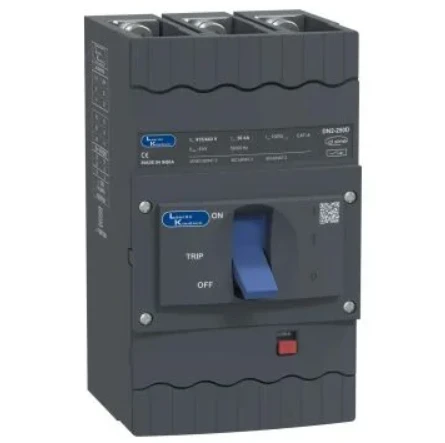
Ensure the board supports MCBs, RCCBs, MCCBs, and surge protectors from trusted brands.
6. Proper Earthing and Neutral Arrangement
A well-designed distribution panel board must include separate, well-organized neutral and earth bars to ensure electrical safety.
7. User-Friendly Layout
Clear markings, spacing between breakers, and easy access points make maintenance safer and more efficient.
How to Decide the Right Distribution Panel Board for Your Property
1. Assess Your Power Requirements
Calculate the total electrical load, including future requirements, to select the appropriate type and size of panel board.
2. Decide Between Single-Phase or Three-Phase
Small homes may do well with a single-phase setup, while larger homes and businesses benefit from a three-phase distribution panel board for better stability.
3. Determine the Number of Circuits Needed
More circuits mean better load distribution and flexibility. A 16 way tpn distribution board is ideal for large properties with numerous appliances, lighting, and motor loads.
4. Prioritize Safety Features
Choose boards with best-in-class insulation, strong busbars, and high short-circuit capacity breakers.
5. Consider Future Expansion
Investing in a slightly larger panel board than your current requirement provides room for upgrades like additional air conditioners, EV chargers, or smart home devices.
Applications of a 16 Way TPN Distribution Board
A 16 way tpn distribution board is versatile and supports various electrical environments, including:
1. Commercial Properties
Shops, malls, and offices require multiple circuits for lighting, ACs, computers, and equipment.
2. Industrial Setups
Factories, workshops, and production units need balanced three-phase loads for motors, heavy machinery, and industrial lighting.
3. Large Residential Buildings
Bungalows, villas, and multi-floor properties need a comprehensive distribution system capable of managing multiple high-load devices.
4. Institutions and Public Buildings
Schools, hospitals, and community centers handle diversified loads that must be distributed safely.
Installation Tips for Maximum Safety and Performance
1. Hire a Qualified Electrician
Correct installation is essential to avoid hazards and ensure the system performs optimally.
2. Use Proper Cables and Breakers
Choose the correct cable gauge, MCB ratings, and phase arrangements for safe operation.
3. Maintain Proper Earthing
A safe earthing system prevents electric shock and reduces the risk of equipment failure.
4. Keep the Board Well-Labeled
Clearly labeled circuits make troubleshooting faster and safer.
5. Avoid Overloading
Never exceed the capacity of the distribution panel board. Overloading increases fire risk and damages equipment.
6. Schedule Periodic Inspections
Routine checks ensure the panel board remains clean, tight, and free of moisture or heat-related damage.
Common Mistakes to Avoid When Selecting a Distribution Panel Board
1. Choosing an Under-Sized Panel Board
Not planning for future load expansions leads to frequent overloading and costly upgrades.
2. Ignoring Safety Standards
Boards without proper certifications may compromise safety and longevity.
3. Using Poor-Quality Breakers
Cheap or incompatible breakers affect performance and pose safety risks.
4. Overlooking Environmental Considerations
High-moisture or dusty environments require boards with appropriate enclosures (IP54 or higher).
Why Quality Matters in Electrical Distribution
An electrical installation is only as strong as its weakest link. Using high-quality components ensures:
- Lower maintenance costs
- Enhanced safety
- Better performance of appliances
- Longer lifespan of the electrical system
- Peace of mind for property owners
A robust, well-designed distribution panel board is an investment in both safety and convenience.
Conclusion
Choosing the right distribution panel board is an essential step in ensuring safety, efficiency, and reliability in any property—whether it is a home, office, industrial setup, or large commercial building. From understanding power requirements to selecting the ideal number of ways, high-quality materials, and proper safety features, each decision contributes to a well-functioning electrical system. For larger installations requiring balanced three-phase distribution, the 16 way tpn distribution board is an excellent choice due to its capacity, versatility, and reliability.
For expert guidance, high-quality electrical components, and professional solutions tailored to modern power distribution needs, Lauritz Knudsen Electrical and Automation provides trusted services and top-tier products to help ensure your electrical system remains safe, efficient, and future-ready.




























Sign in to leave a comment.