
Introduction
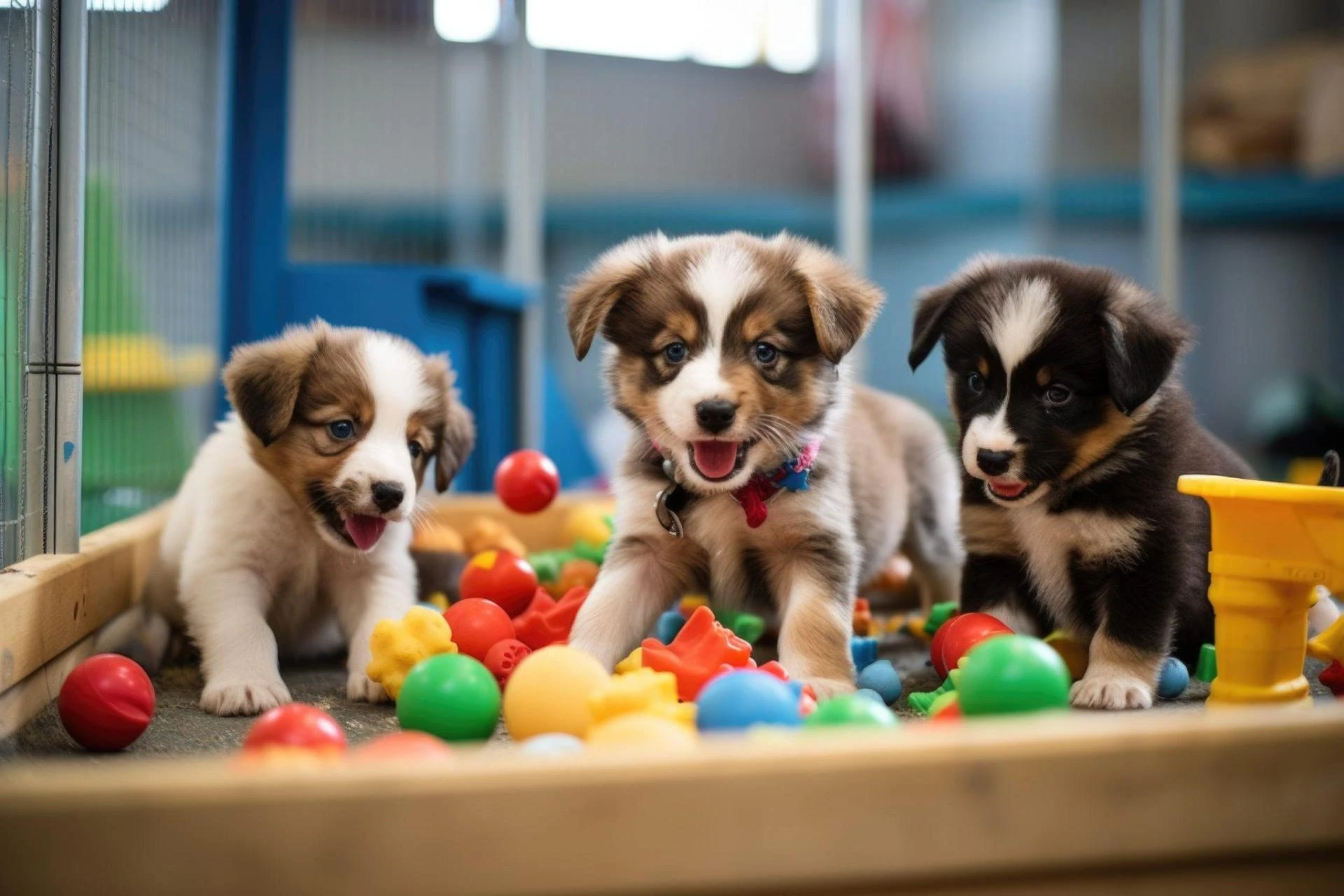
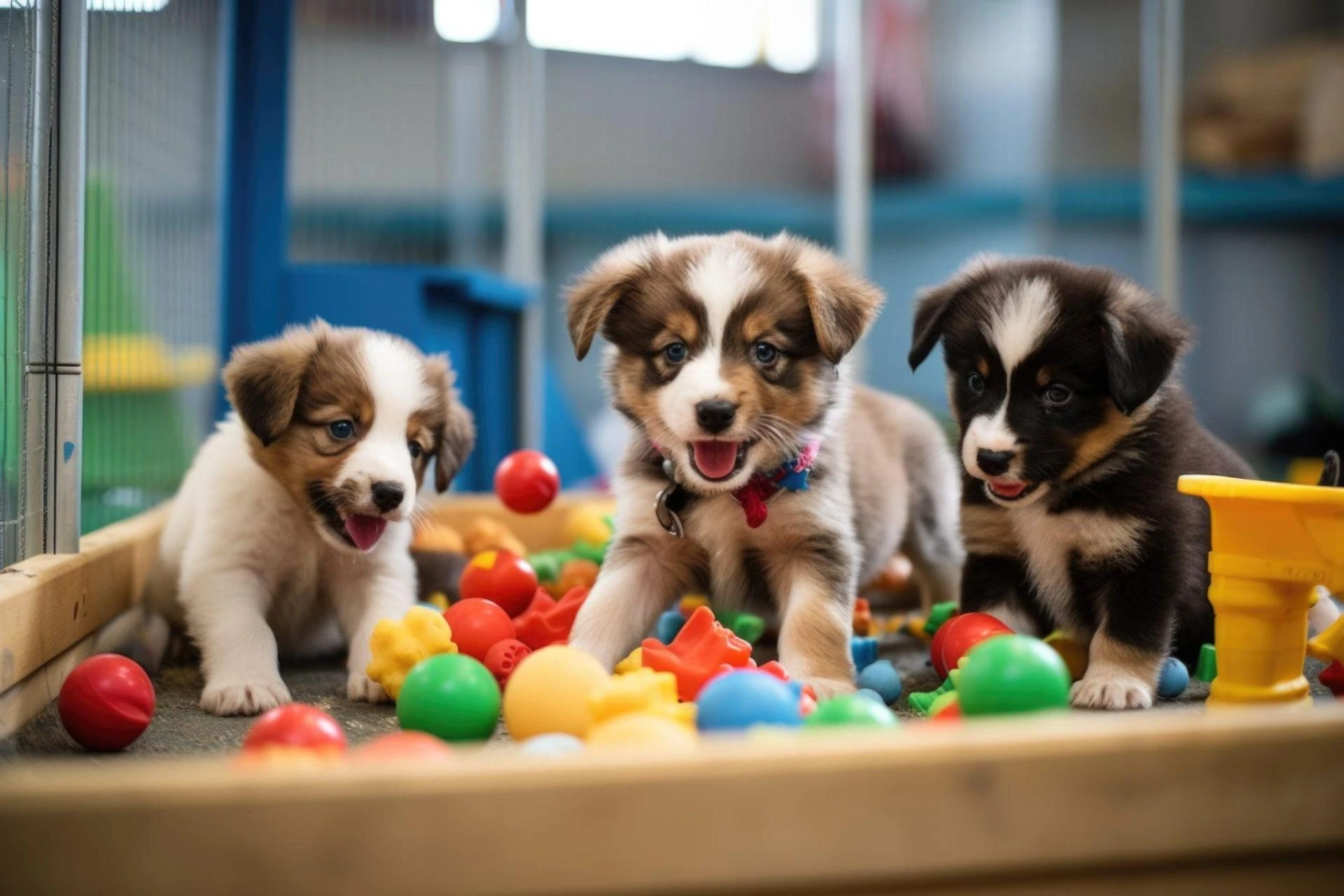
Caring for a puppy can be a source of joy, as well as a responsibility. Even many years later, what we learn during our initial training is reflected in our behaviour. Regular guidance makes for a confident, cheerful companion. Good habits developed in youth last for a lifetime.
1. Building a Strong Foundation
Puppies need guidance and a firm but gentle hand. For pet owners looking for puppy training in Perth, establishing clear rules early can make a world of difference. Young pups need to know where the boundaries are to feel secure. They need to understand what is expected of them, and consistency helps achieve that. This is where repetition helps, as repeating information makes it easier to remember and thereby develop new habits.
2. Setting a Routine
A routine keeps both pets and their owners happy. Regular feeding helps avoid accidents inside the house, and so do frequent trips outside to the toilet. Daytime play burns energy in short bursts. Short, calm breaks promote healthy growth and emotional stability.
3. House Training Essentials
Setting up a designated toilet area is essential for puppy owners. Taking them outside often avoids confusion and mishaps. Rewarding good behaviour with praise reinforces learning. Have patience — it will take time, and you may make mistakes.
4. Introducing Basic Commands
Basic commands such as “sit,” “stay,” and “come” help establish a foundation for future learning. Training sessions should be short so the puppy does not lose focus. Gentle encouragement boosts confidence. Rewards enhance training enthusiasm and can include treats or toys.
5. Socialisation for Well-Rounded Behaviour
Exposure to new sights, sounds, and experiences helps create a well-adjusted pet. Familiarity with other people and animals reduces timidity. Puppies learn how to stay calm when entering environments with unfamiliar elements during controlled outings. The benefits connected with socialisation in the first few months typically last a lifetime.
6. Addressing Unwanted Behaviours
Many young dogs will test boundaries through chewing, barking, and jumping. Redirecting their focus to an appropriate task helps deter bad habits. It is important to correct behaviour consistently. Encourage positive responses by rewarding calm, polite behaviour.
7. Using Positive Reinforcement
Puppies are encouraged to repeat good behaviour through rewards. Young dogs respond to praise, treats, or playtime. Harsh punishment can cause fear and confusion. Positive reinforcement builds trust and motivates them to learn.
8. Handling Setbacks with Patience
Training is not always linear. Disappointment is common when puppies begin testing boundaries as they grow. Calmly repeating lessons reinforces learning. Do not underestimate the power of persistence — eventually, you will realise you are slowly but surely making progress.
9. Encouraging Independence
Allowing a puppy some freedom builds confidence. Supervised playtime in secure areas supports problem-solving skills. Introduce new environments gradually, as sudden exposure can overwhelm them. Independence fosters resilience and adaptability.
10. Introducing the Lead
Lead training helps puppies become comfortable outdoors. Begin with brief, enjoyable walks in your neighbourhood. Let the puppy sniff around as it likes. Reinforce correct behaviour on the lead with praise.
11. Consistency and Commitment
Each lesson must be repeated until the puppy learns it well. Daily practice ensures lasting results. Having the whole family involved in training creates a unified approach. Progress comes with dedication and clear communication.
12. Recognising Individual Needs
All puppies are different — some learn quickly, while others take more time. Some need extra motivation, and others grasp concepts very fast. Tailoring techniques to each puppy gives the greatest chance of success. Understanding how each puppy responds to different stimuli is a valuable training tool.
13. Celebrating Milestones
Celebrating progress motivates both the puppy and the trainer. Each new skill mastered deserves recognition. Some owners use treats to celebrate their dog’s achievements. Positive experiences make it easier to learn new skills and enjoy the process.
14. Preparing for the Future
A well-behaved adult dog begins with early training. Ongoing guidance through the adolescent years helps maintain good habits. Continued education supports positive behaviour development. A strong foundation will stand the test of time.
Conclusion
If you are deliberate and proactive in puppy training, you will end up with a well-behaved dog that approaches life with confidence. Patience, consistency, and kindness make all the difference. Every minute spent on puppy training pays lifelong rewards for both dog and owner.


















Sign in to leave a comment.