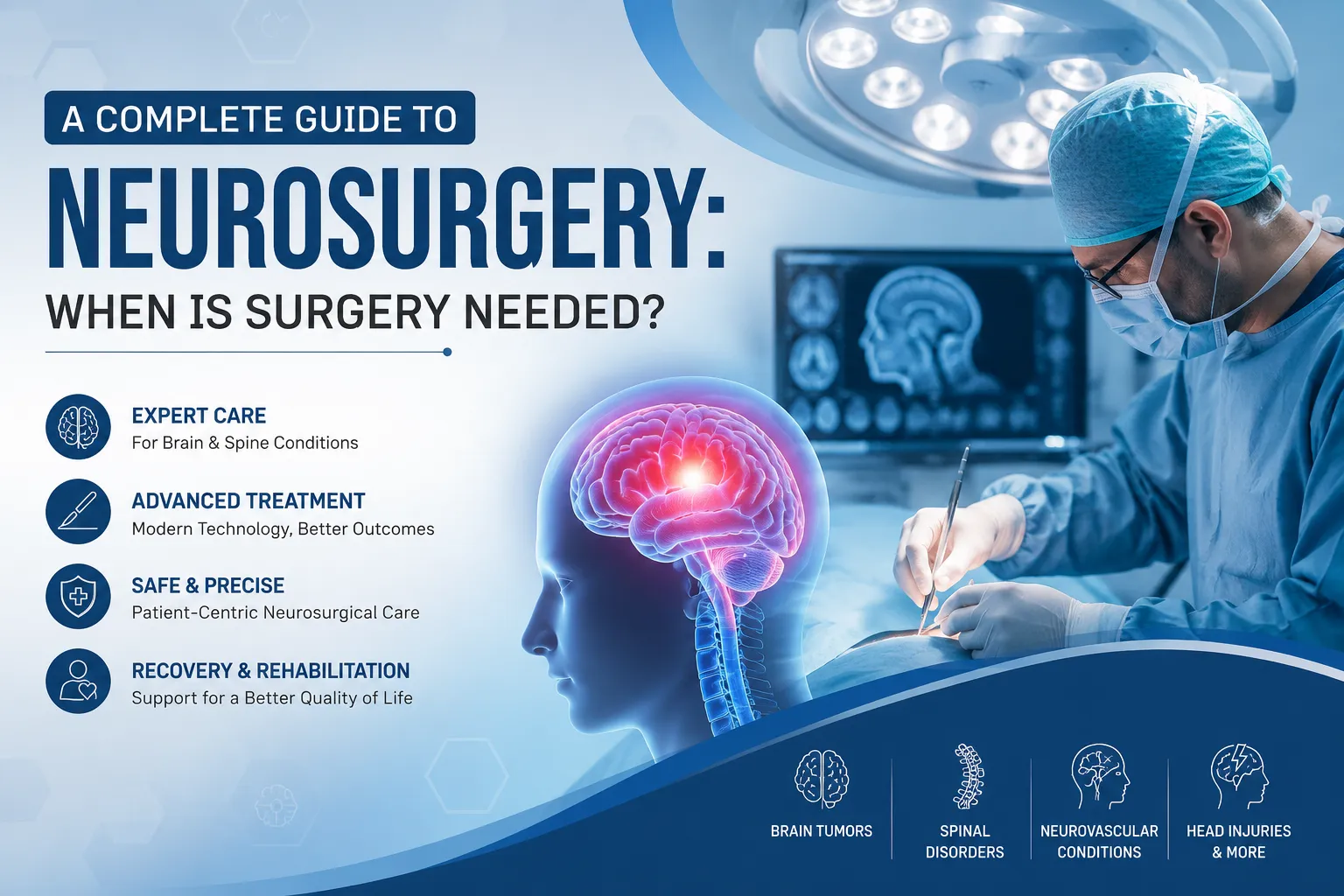

Few words provoke as much anxiety as "brain surgery" or "spine surgery." For most people, neurosurgery feels like a last resort, something reserved for the most extreme medical emergencies. In reality, neurosurgery covers a much broader range of conditions and treatment approaches than most people realize, and understanding when surgery is truly necessary can help patients and families make more informed decisions during a stressful time. This guide walks through what neurosurgery involves, the conditions that may require it, and how to know when it's time to consult a specialist.
What Is Neurosurgery?
Neurosurgery is the branch of medicine focused on the surgical treatment of disorders affecting the brain, spinal cord, spinal column, and peripheral nerves. Unlike general neurology, which primarily manages conditions through medication and non-invasive therapies, neurosurgery steps in when structural problems require physical correction or when a condition has progressed beyond what medication alone can manage.
Neurosurgeons are trained to perform highly delicate procedures, often working in areas of the body where even minor errors can have significant consequences. Because of this, the field requires years of specialized training beyond general medical education, along with continuous exposure to advanced surgical technology and techniques.
Conditions That May Require Neurosurgery
Not every neurological condition requires surgical intervention. In fact, most are managed successfully through medication, physical therapy, or lifestyle changes. However, certain conditions often reach a point where surgery becomes the most effective or only viable option.
1. Brain Tumors
Whether benign or malignant, brain tumors often require surgical removal, especially if they are pressing on critical structures, causing seizures, or growing rapidly. In many cases, surgery is combined with radiation or chemotherapy for the best outcomes.
2. Herniated or Slipped Discs
When a spinal disc bulges or ruptures and presses on nearby nerves, it can cause severe pain, numbness, or weakness in the limbs. If conservative treatments like physical therapy and medication fail to provide relief, surgery may be recommended to relieve the pressure.
3. Spinal Stenosis
This condition involves the narrowing of the spinal canal, which can compress the spinal cord and nerves. While mild cases are often managed with non-surgical treatments, more advanced stenosis causing significant mobility issues or nerve damage may require decompression surgery.
4. Traumatic Brain or Spinal Injuries
Severe injuries from accidents or falls that cause bleeding, swelling, or structural damage to the brain or spine often require emergency neurosurgical intervention to prevent permanent damage or death.
5. Aneurysms and Vascular Malformations
An aneurysm is a weakened, bulging area in a blood vessel that can rupture and cause life-threatening bleeding in the brain. Surgical clipping or minimally invasive coiling procedures are often used to prevent rupture or treat one that has already occurred.
6. Hydrocephalus
This condition involves a buildup of fluid in the brain, which can increase pressure and cause damage if untreated. Surgery, often involving the placement of a shunt, is typically required to drain excess fluid and relieve pressure.
7. Epilepsy That Doesn't Respond to Medication
While most epilepsy cases are managed with medication, some patients continue to experience seizures despite treatment. In these cases, surgery to remove or isolate the area of the brain causing seizures may be considered.
8. Chronic Nerve Compression
Conditions like severe carpal tunnel syndrome or nerve entrapment elsewhere in the body may require surgical release when other treatments fail to relieve symptoms.
Warning Signs That May Indicate a Need for Neurosurgical Evaluation
Certain symptoms should prompt an immediate consultation with a specialist, as they may indicate a condition requiring surgical intervention:
- Sudden, severe headache unlike any experienced before
- Loss of consciousness or seizures
- Progressive weakness or numbness in the limbs
- Loss of bladder or bowel control combined with back pain
- Difficulty walking or maintaining balance
- Vision changes or slurred speech
- Persistent pain that doesn't respond to conservative treatment
- Noticeable changes in personality, memory, or cognitive function
If you or a loved one experiences any of these symptoms, timely evaluation can make a significant difference in treatment outcomes, particularly in emergency situations like stroke or traumatic injury.
How Neurosurgeons Decide When Surgery Is Necessary
Neurosurgery is rarely the first line of treatment. Most specialists follow a careful, stepwise approach before recommending surgical intervention:
- Comprehensive Diagnosis: This typically involves imaging studies such as MRI or CT scans, along with neurological examinations to pinpoint the exact source of symptoms.
- Conservative Treatment Trial: In many cases, medication, physical therapy, or lifestyle modifications are tried first, especially for conditions like herniated discs or mild spinal stenosis.
- Monitoring Progression: For slow-growing conditions like certain tumors, doctors may recommend regular monitoring rather than immediate surgery, particularly if the condition isn't causing significant symptoms.
- Risk-Benefit Analysis: Surgery carries inherent risks, so specialists weigh the potential benefits against possible complications, patient age, overall health, and the urgency of the condition.
- Patient Discussion: A good neurosurgeon will walk patients through all available options, potential outcomes, and recovery expectations before proceeding with any surgical plan.
Advances in Neurosurgical Techniques
Modern neurosurgery has evolved significantly, with many procedures now performed using minimally invasive techniques. These approaches offer several advantages over traditional open surgery:
- Smaller incisions and less tissue damage
- Reduced risk of infection
- Shorter hospital stays
- Faster recovery times
- Less post-operative pain
Technologies like intraoperative imaging, neuronavigation systems, and robotic-assisted surgery have also improved precision, allowing surgeons to operate on delicate structures with greater accuracy and reduced risk to surrounding tissue.
Choosing the Right Care for Neurosurgical Needs
Given the complexity and risks involved, choosing the right facility and specialist is one of the most important decisions a patient can make. Here are key factors to consider:
- Surgeon Experience: Look for a specialist with extensive experience in the specific procedure you may need, along with a strong track record of successful outcomes.
- Advanced Technology: Facilities equipped with modern imaging, navigation systems, and minimally invasive surgical tools tend to offer better precision and safety.
- Post-Operative Care: Recovery from neurosurgery often requires rehabilitation, physical therapy, and ongoing monitoring, so continuity of care is essential.
- Emergency Readiness: For conditions like traumatic brain injury or ruptured aneurysms, access to round-the-clock emergency neurosurgical care can be life-saving.
If you're researching options for a neuro surgeon in Siliguri, take time to consider their specific area of expertise, whether it's spinal surgery, brain tumor removal, or vascular neurosurgery, since different specialists often focus on different subspecialties within the field.
For patients dealing with complex cases that involve multiple organ systems or coexisting health conditions, a multispecialty hospital in Siliguri can offer significant advantages. These facilities bring together specialists from various fields, such as cardiology, oncology, and critical care, allowing for coordinated treatment plans that address a patient's overall health rather than treating conditions in isolation.
Alternatively, patients requiring highly specialized surgical care may benefit from a dedicated neuro surgery hospital in Siliguri, where the entire infrastructure, staff training, and equipment are focused specifically on neurological and neurosurgical conditions. Such specialized centers are often better equipped to handle complex or rare cases that require deep, focused expertise.
What to Expect Before and After Surgery
Understanding the surgical journey can help ease anxiety for patients and families:
Before Surgery: Expect a thorough pre-operative workup, including imaging, blood tests, and a detailed discussion of the procedure, risks, and expected outcomes. Your surgical team will also review your medical history and any medications you're currently taking.
During Surgery: Depending on the procedure, surgery may take anywhere from one to several hours. Advanced monitoring systems are used throughout to track vital signs and neurological function in real time.
After Surgery: Recovery timelines vary significantly depending on the type of procedure. While minimally invasive surgeries may allow for discharge within a few days, more complex procedures like brain tumor removal may require longer hospital stays and extended rehabilitation.
Final Thoughts
Neurosurgery is a highly specialized field that plays a critical role in treating conditions affecting the brain, spine, and nervous system. While the idea of surgery can be intimidating, advances in surgical technology and technique have made many procedures safer and more effective than ever before. Understanding the warning signs that may indicate a need for surgical evaluation, and knowing what to expect throughout the process, can help patients approach these decisions with greater confidence.
If you're experiencing symptoms that suggest a neurological condition requiring specialized evaluation, don't delay seeking expert care. Whether you need the focused expertise of a dedicated neurosurgical center or the broader, coordinated support of a multispecialty facility, timely consultation with an experienced specialist remains the most important step toward the best possible outcome.



























Sign in to leave a comment.