
The world of financial markets is evolving rapidly, and for Indian investors, 2025 presents new opportunities in derivatives trading, particularly in the area of Options trading in India. As more people turn toward alternative forms of investment to diversify their portfolios, understanding how options work has become essential. This guide provides a clear, step-by-step explanation for beginners and experienced traders looking to gain deeper insights into this powerful trading tool.
Understanding What Options Are
Options are a financial derivative that provide the buyer with the right, but not the obligation, to buy or sell an underlying asset at a predetermined price before a specific date. In other words, they are contracts whose value is derived from assets such as stocks, indices, or commodities. Unlike conventional equity investing where you hold the stock, options enable you to bet on price movements without holding the underlying asset.
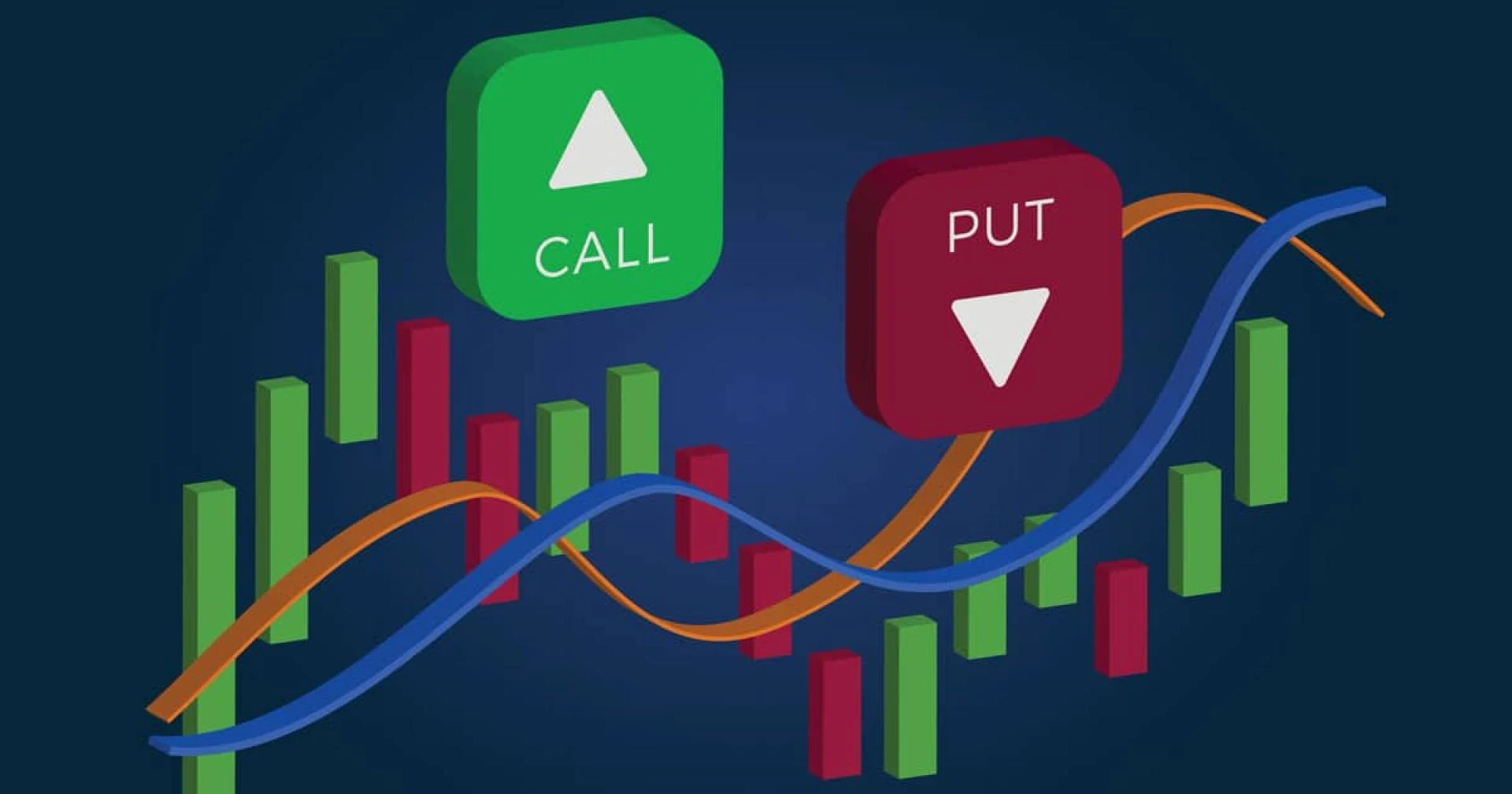
There are two primary types of contracts: call options and put options. A call option enables the buyer to buy an asset at a predetermined price, hoping the market will go up. Conversely, a put option enables the buyer to sell an asset at a predetermined price, usually when the market is likely to fall.
The Structure of the Indian Options Market
India's derivatives market is largely run through the National Stock Exchange (NSE) and the Bombay Stock Exchange (BSE). These exchanges have stringent regulatory control to ensure fair play and transparency. Options contracts in India are standardized, i.e., the contract size, expiry dates, and strike prices are determined by the exchange.
Most trading is centered around index-based derivatives such as the Nifty 50 and Bank Nifty, though stock-based options are also widely traded. The market follows a monthly expiry cycle, though weekly expiries have also gained popularity, especially for indices.
How Options Are Priced
The price of an option, or the premium, is determined by several factors such as the current market price of the underlying asset, strike price, time remaining until expiry, interest rates, and implied volatility. One of the most significant pricing models employed is the Black-Scholes model, though it's more often used in theory than in practice by retail traders.
Understanding option pricing involves some knowledge of terms such as intrinsic value (the actual, tangible value of the option if exercised) and time value (the value of the premium due to the remaining time until expiry).
Margin Requirements and Leverage
One of the attractive features of options trading is the possibility of trading with leverage. This allows traders to control a bigger position with less capital. But this is accompanied by higher risk. When selling (writing) options, margin requirements can be high, particularly for uncovered or "naked" positions.
Regulatory authorities have put in place guidelines to safeguard traders and minimize systemic risk. Platforms now offer margin calculators and risk-reduction tools to ensure investors remain within safe limits.
Strategy and Risk Management
Options success is more than predicting market direction. Traders employ multi-leg strategies like straddles, spreads, and strangles to maximize returns and minimize risks. These involve employing a mix of call and put options in a single trade setup.
Risk management is essential. As options can expire worthless, traders need to be comfortable with the risk of losing the premium paid. It's important to define clear entry and exit points and employ stop-loss mechanisms wherever possible.
Taxation and Regulatory Framework
Gains from options are classified as business income for tax purposes in India. This implies that traders need to keep proper records, file returns accordingly, and may be subject to audit if their turnover exceeds specified levels.
The Securities and Exchange Board of India (SEBI) is the key regulator of the derivatives segment. In recent years, SEBI has put in place several measures to improve investor protection, enhance transparency, and curb speculative trading through higher margin requirements and tighter compliance.
Platforms and Tools for Traders
With the advent of digital platforms, access to the derivatives market has never been easier. There are many brokerage firms with feature-rich trading apps that offer charting tools, back-testing facilities, and real-time data. These platforms also provide educational resources, making it easier for new traders to learn the ropes before executing live trades.
Paper trading is another useful tool that allows users to practice with virtual funds. This helps one understand how markets move without any real monetary risk. It's a highly recommended step before entering real-money trades.
Trends to Watch in 2025
Several trends are expected to shape the options market in 2025. One major development is the growing participation of retail investors, thanks to increased financial literacy and mobile-first trading platforms. Additionally, the adoption of AI and automation is making it easier to identify opportunities and execute trades with precision.
Another trend is the increasing interest in environmental, social, and governance (ESG)-based indices, which could lead to the creation of options contracts linked to these newer benchmarks. Moreover, global macroeconomic shifts such as interest rate changes, inflation concerns, and geopolitical tensions may cause increased volatility—something that often benefits options traders who thrive in fluctuating markets.
Final Thoughts
Navigating the world of derivatives requires a blend of knowledge, discipline, and adaptability. While options offer immense potential for profit, they also come with higher complexity and risk compared to direct stock investments. Aspiring traders should invest time in understanding the concepts, practice with virtual accounts, and gradually build their exposure as they gain confidence.
Whether you’re looking to hedge your portfolio, generate additional income, or speculate on market movements, the landscape in 2025 offers plenty of opportunities. With proper guidance and consistent learning, individuals can position themselves to take full advantage of what this dynamic segment has to offer. If you’re just starting your journey in Options trading in India, choosing a trusted platform that offers a lifetime free demat account can be a great first step toward financial independence.


















Sign in to leave a comment.