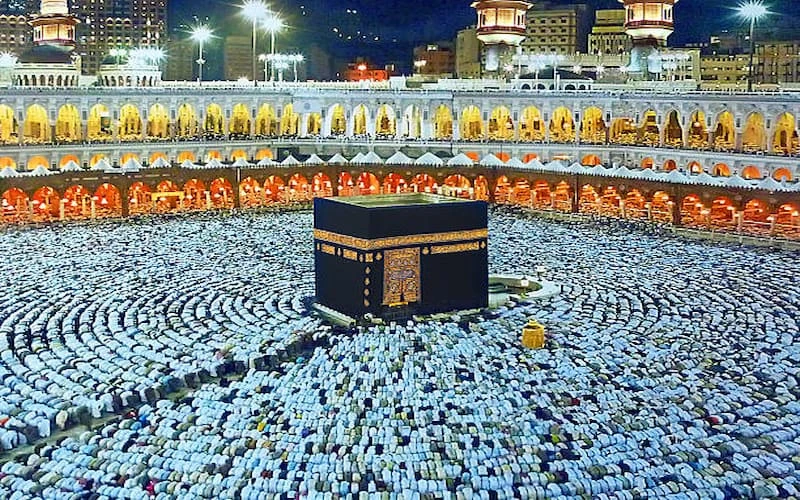

Planning Umrah is a deeply spiritual journey that requires thoughtful preparation, clear understanding, and reliable support. Whether you are performing Umrah for the first time or returning again, proper planning helps you focus fully on worship rather than logistics. Many pilgrims today also consider options like an umrah package by bus for a more economical and group-friendly experience, making advance preparation even more important. This complete guide walks you through every stage of Umrah planning—from intention to return—so you can perform your pilgrimage with peace of mind.
Understanding the Spiritual Importance of Umrah
Umrah is a sacred pilgrimage that can be performed at any time of the year, unlike Hajj. It allows Muslims to seek forgiveness, renew faith, and strengthen their connection with Allah.
While Umrah is not obligatory, its spiritual rewards are immense. The Prophet Muhammad (peace be upon him) emphasized its value, describing Umrah as an expiation for sins committed between two pilgrimages.
Step 1: Making the Intention (Niyyah)
Every act of worship begins with a sincere intention. Before planning travel or accommodation, ensure your intention for Umrah is purely for Allah.
This mindset helps you stay patient during travel challenges and focused during rituals. Discuss your intention with family members if traveling together, so everyone is spiritually aligned.
Step 2: Choosing the Right Time for Umrah
Selecting the right time can greatly affect your experience. Crowd levels, weather, and costs vary throughout the year.
Best times to consider:
- Off-peak months such as Muharram and Safar
- Cooler months for physical comfort
- Avoiding school holidays if you prefer fewer crowds
Planning early also helps secure better flight or transport options and accommodation close to the Haram.
Step 3: Selecting a Reliable Umrah Travel Partner
Choosing the right travel agency is one of the most critical steps. A trustworthy agency ensures smooth documentation, proper accommodation, and guided support throughout the journey.
A professional operator like Mohamed Al Tenaiji Travels can help manage complex arrangements while offering guidance suited to different traveler needs, including families, elderly pilgrims, and first-time visitors.
What to look for in an Umrah agency:
- Transparent pricing
- Saudi-approved visa processing
- Clear itinerary and inclusions
- On-ground support in Makkah and Madinah
Step 4: Understanding Umrah Visa Requirements
Visa regulations can change, so staying updated is essential. Typically, Umrah visas require valid passports, photographs, and proof of accommodation and travel.
Practical tips:
- Ensure passport validity of at least six months
- Double-check name spellings
- Apply through authorized channels only
- Keep digital and printed copies of documents
Early visa application helps avoid last-minute stress.
Step 5: Planning Travel and Transportation
Transportation options vary depending on budget and comfort preferences. Some pilgrims prefer flights, while others choose group-based road travel for affordability and companionship.
Common travel options include:
- Direct flights to Jeddah or Madinah
- Combined flight and road journeys
- Group transport with guided schedules
Each option has its own benefits, so choose based on comfort, time availability, and budget.
Step 6: Booking Accommodation Near the Haram
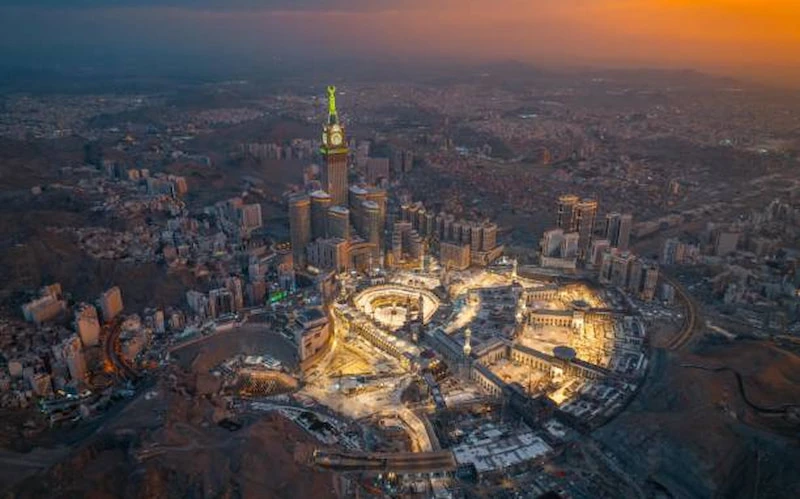
Accommodation plays a major role in comfort during Umrah. Staying closer to Masjid al-Haram or Masjid an-Nabawi saves time and energy.
Key considerations:
- Walking distance to the Haram
- Room occupancy and amenities
- Meal arrangements
- Elevator access for elderly pilgrims
Booking early usually provides better location choices at reasonable rates.
Step 7: Preparing for Umrah Rituals
Understanding the rituals beforehand helps you perform Umrah with confidence and devotion.
The main steps of Umrah include:
- Ihram and Niyyah
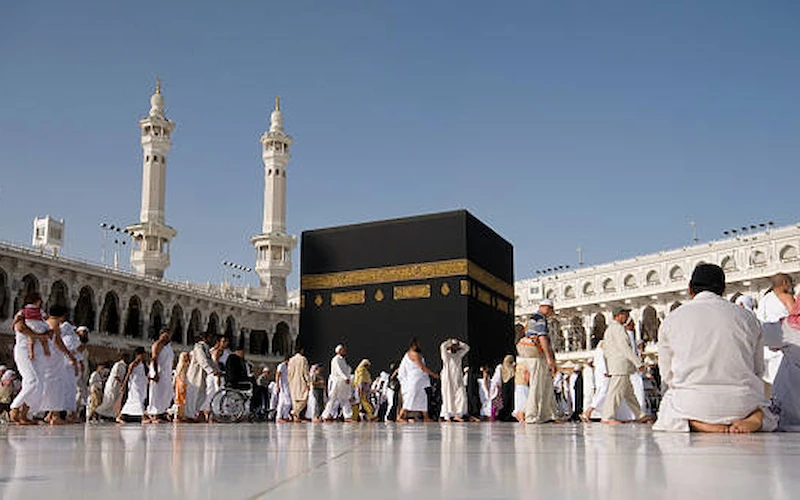
- Tawaf around the Kaaba
- Sa’i between Safa and Marwah
- Halq or Taqsir (hair cutting)
Studying these rituals in advance or attending a briefing session can greatly enhance your spiritual focus.
Step 8: Packing Essentials for a Comfortable Journey
Packing smartly ensures you are physically prepared without unnecessary burden.
Essential items to pack:
- Ihram clothing
- Comfortable footwear
- Basic medications
- Prayer mat and tasbeeh
- Personal hygiene items
Avoid overpacking, as simplicity aligns with the spirit of Umrah.
Step 9: Health, Safety, and Practical Tips
Maintaining health during Umrah is crucial, especially due to walking and crowd exposure.
Helpful tips:
- Stay hydrated at all times
- Wear light, breathable clothing
- Follow local guidelines and instructions
- Rest adequately between prayers
- Keep emergency contact details handy
Travel insurance is also recommended for added peace of mind.
Step 10: Making the Most of Your Time in Makkah and Madinah
Beyond rituals, Umrah is a chance for deep reflection and learning.
Ways to enrich your journey:
- Spend quiet time in the Haram
- Attend religious lectures if available
- Visit historical Islamic sites respectfully
- Engage in personal dua and Quran recitation
Balancing worship with rest helps maintain spiritual and physical energy.
Returning Home and Reflecting on Your Umrah
The journey does not end upon return. Many pilgrims find Umrah to be a turning point in their lives.
Take time to reflect on lessons learned and strive to carry the spiritual discipline into daily life. Sharing experiences with family can also inspire others to plan their own pilgrimage.
Conclusion
Planning Umrah from start to finish requires a balance of spiritual readiness and practical organization. From choosing the right time and travel partner to understanding rituals and health precautions, every step contributes to a smoother and more fulfilling pilgrimage. With careful planning and the right guidance, Umrah becomes not just a journey to sacred places, but a deeply transformative experience of faith and devotion.
Frequently Asked Questions
1. How early should I start planning my Umrah?
It is best to start planning at least 2–3 months in advance to secure visas, accommodation, and preferred travel options.
2. Is Umrah suitable for elderly pilgrims?
Yes, with proper arrangements such as nearby hotels, guided support, and rest breaks, Umrah can be comfortably performed by elderly pilgrims.
3. Can families perform Umrah together?
Absolutely. Many families travel together, and proper planning ensures a safe and spiritually enriching experience for all members.
4. What is the ideal duration for an Umrah trip?
Most Umrah trips last between 7 to 14 days, allowing time for rituals, rest, and visits to Madinah.
5. Do I need prior religious knowledge to perform Umrah?
Basic understanding of the rituals is sufficient. Many agencies provide guidance sessions to help pilgrims prepare properly.
Sign in to leave a comment.