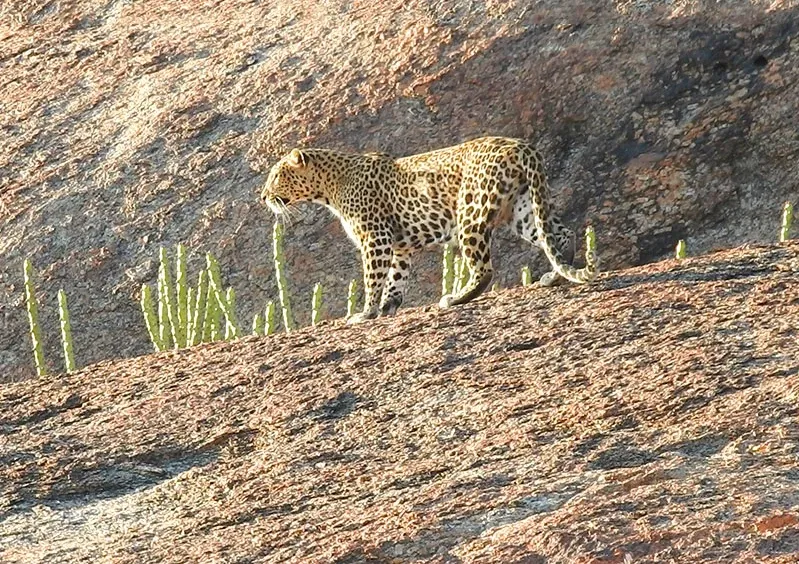

Wildlife photography is about much more than capturing beautiful images. It requires patience, preparation, respect for nature, and an understanding of animal behavior. Among India's growing wildlife photography destinations, Jawai in Rajasthan has earned a special place for its dramatic landscapes, thriving leopard population, abundant birdlife, and peaceful atmosphere. The region's unique granite hills and open terrain provide photographers with opportunities rarely found in traditional wildlife reserves.
Whether you are an experienced wildlife photographer or someone carrying a camera on safari for the first time, understanding the environment and following ethical photography practices can greatly improve your experience. This guide explains everything you need to know before photographing wildlife in Jawai.
Why Jawai Is a Photographer's Paradise
Jawai offers a distinctive natural setting that immediately appeals to photographers. Unlike dense forests where visibility is often limited, the region's vast rocky landscapes provide open views that make wildlife observation easier.
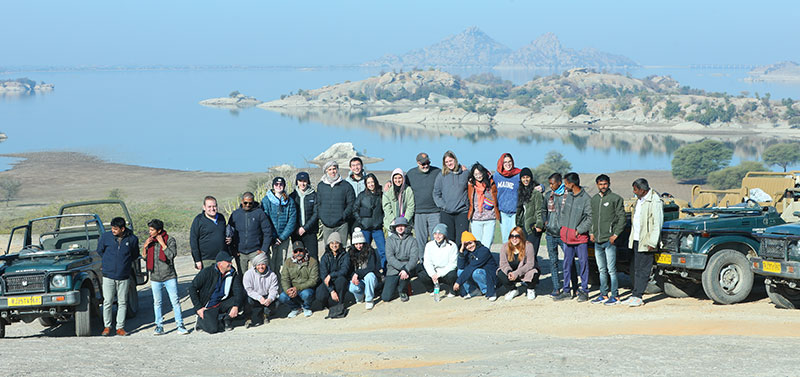
Ancient granite formations create dramatic backgrounds for wildlife photography, while Jawai Dam attracts numerous migratory and resident bird species throughout the year. During sunrise and sunset, soft golden light transforms the landscape into an ideal environment for capturing memorable photographs.
Instead of photographing only wildlife, visitors can also capture rural life, scenic landscapes, colorful skies, and the remarkable interaction between nature and local communities.
The Best Time for Wildlife Photography
Lighting plays a crucial role in photography, making the timing of your safari extremely important.
Early morning safaris offer cool temperatures, soft natural light, and increased animal activity. The golden sunlight enhances textures across the granite hills while creating pleasing shadows that add depth to photographs.
Evening safaris provide equally attractive lighting conditions as wildlife becomes active before sunset. The warm tones during this period often produce striking landscape and wildlife images.
Winter months generally offer comfortable weather and clear visibility, while the monsoon season introduces lush greenery that creates a completely different visual appeal.
Choosing the Right Camera Equipment
Professional equipment can improve image quality, but excellent wildlife photographs are also possible with entry-level cameras when used correctly.
Useful equipment includes:
- DSLR or mirrorless camera
- Telephoto lens for wildlife
- Wide-angle lens for landscapes
- Extra batteries
- Memory cards
- Lens cleaning kit
- Camera bag with dust protection
- Lightweight tripod or monopod where appropriate
If you prefer mobile photography, modern smartphones equipped with optical zoom and image stabilization can also produce impressive results under good lighting conditions.
Travelers searching for the best resort in Jawai for a stay often appreciate accommodations that provide convenient access to early morning and evening safaris, allowing photographers to maximize the best lighting conditions.
Learn Animal Behavior
Great wildlife photography depends less on luck and more on observation.
Experienced safari guides understand leopard movement patterns, bird activity, and seasonal wildlife behavior. Paying attention to their explanations helps photographers anticipate possible sightings rather than reacting after an animal appears.
Observing body language, movement, and habitat also improves your ability to capture natural moments instead of rushed photographs.
Patience often rewards photographers with images showing authentic wildlife behavior rather than simply documenting an animal's presence.
Use Natural Light Effectively
Natural lighting is one of Jawai's greatest advantages.
Instead of relying on artificial lighting, photographers should position themselves to make the most of available sunlight. Morning and evening light produces softer contrasts and warmer colors than the harsh midday sun.
Whenever possible, avoid photographing directly into strong sunlight unless intentionally creating silhouettes or artistic compositions.
Using natural light not only improves image quality but also minimizes disturbance to wildlife.
Practice Ethical Wildlife Photography
Respect for wildlife should always take priority over obtaining photographs.
Avoid using flash photography near animals, particularly during dawn or dusk when visibility is lower. Flash can startle wildlife and alter natural behavior.
Never request guides to approach animals too closely or encourage wildlife to move for better photographs. Ethical photography focuses on observing animals naturally while maintaining safe viewing distances.
Responsible photographers understand that protecting wildlife is more important than capturing a perfect image.
Capture More Than Leopards
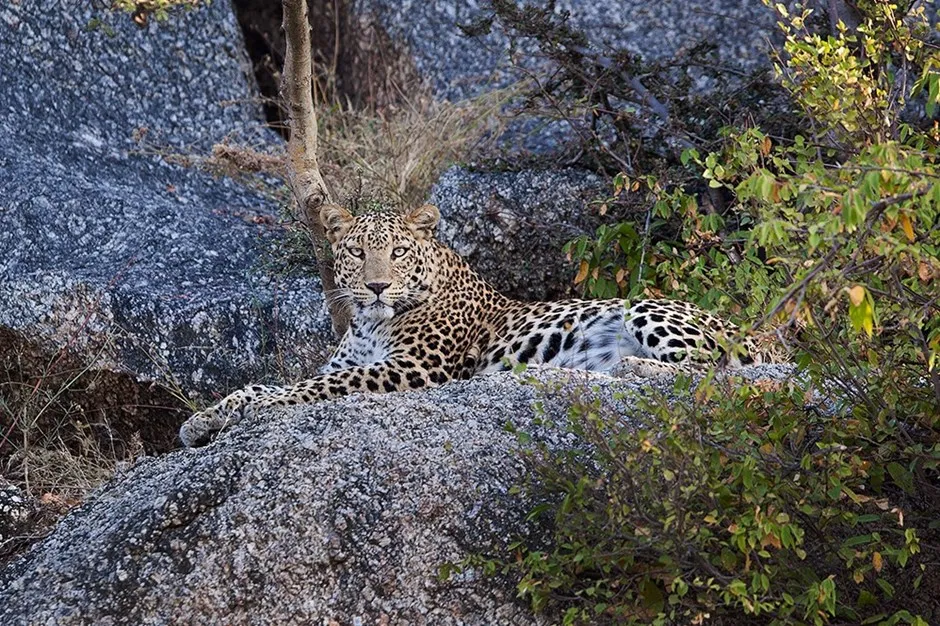
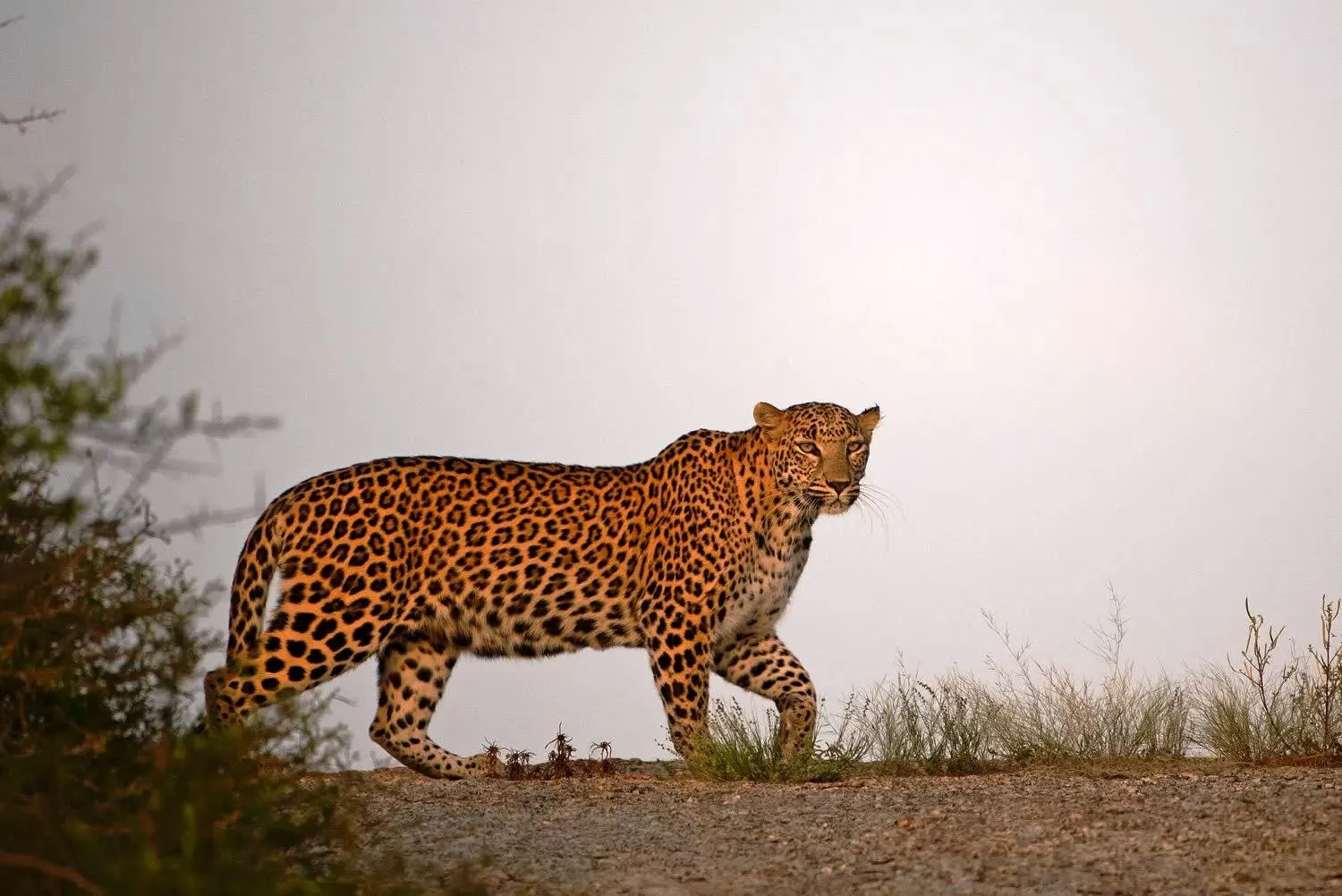
Although Jawai is famous for its leopards, photographers should explore the region's broader biodiversity.
Bird species, crocodiles, hyenas, jackals, foxes, nilgai, reptiles, and insects all contribute to Jawai's ecological richness. Jawai Dam provides exceptional opportunities for bird photography, especially during the migratory season.
The surrounding landscapes themselves offer endless photographic possibilities, from dramatic granite formations and reflections on the water to village life and colorful sunsets.
A diverse portfolio often tells a more complete story of the destination.
Composition Makes the Difference
Strong composition transforms ordinary wildlife photographs into memorable images.
Instead of placing every animal directly in the center of the frame, experiment with techniques such as the rule of thirds, natural framing, leading lines, and foreground elements.
Including portions of Jawai's remarkable landscape helps provide context and creates more visually engaging compositions.
Photographing animals within their environment often communicates a stronger story than tightly cropped portraits alone.
Visitors staying at a luxury stay resort in Jawai frequently benefit from spending multiple days exploring different safari locations, allowing greater opportunities to experiment with composition under varying lighting conditions.
Be Patient and Enjoy the Experience
Wildlife photography requires patience above all else.
Animals do not appear according to schedules, and every safari is different. Rather than focusing only on leopard sightings, appreciate the complete experience of observing nature quietly.
Many of the most memorable photographs result from waiting calmly for the right moment instead of constantly searching for action.
The peaceful atmosphere of Jawai encourages photographers to slow down, observe carefully, and create images that reflect genuine wildlife behavior.
Conclusion
Wildlife photography in Jawai offers a rewarding combination of extraordinary landscapes, remarkable biodiversity, ethical safari experiences, and outstanding natural lighting. Its open granite terrain, thriving leopard population, abundant birdlife, and peaceful surroundings make it one of India's most exciting destinations for photographers of every skill level.
By preparing the right equipment, understanding wildlife behavior, respecting ethical photography practices, and embracing patience, visitors can capture images that showcase not only Jawai's wildlife but also its unique natural beauty and cultural heritage. More than simply taking photographs, the experience encourages a deeper appreciation for conservation, responsible travel, and the extraordinary ecosystems that make Jawai truly unforgettable.























Sign in to leave a comment.