
A mat Pilates teacher training course is an excellent pathway for individuals looking to deepen their understanding of Pilates and become certified instructors. This training equips participants with the skills and knowledge necessary to guide clients safely and effectively through mat-based Pilates exercises. Whether you are a fitness professional seeking to expand your expertise or someone passionate about movement and wellness, this guide outlines everything you need to know about enrolling in a mat Pilates teacher training course.
1. Understanding Mat Pilates Teacher Training
Mat Pilates focuses on controlled, precise movements performed on a mat without the use of specialized Pilates equipment like reformers or chairs. A teacher training course covers fundamental principles, anatomy, movement techniques, and instructional methods to help future instructors develop a strong foundation in mat-based Pilates.
2. Prerequisites for Enrollment
While some training programs accept beginners, others may require a background in fitness, dance, or Pilates practice. Basic knowledge of human anatomy and prior Pilates experience can be beneficial but is not always mandatory. Most courses welcome individuals from various fitness levels who have a keen interest in teaching Pilates.
3. Course Curriculum
A comprehensive mat Pilates teacher training course typically includes the following components:
- Pilates Principles: Understanding the core principles such as breath control, concentration, centering, precision, flow, and alignment.
- Anatomy and Physiology: Learning about the musculoskeletal system, biomechanics, and how Pilates movements impact the body.
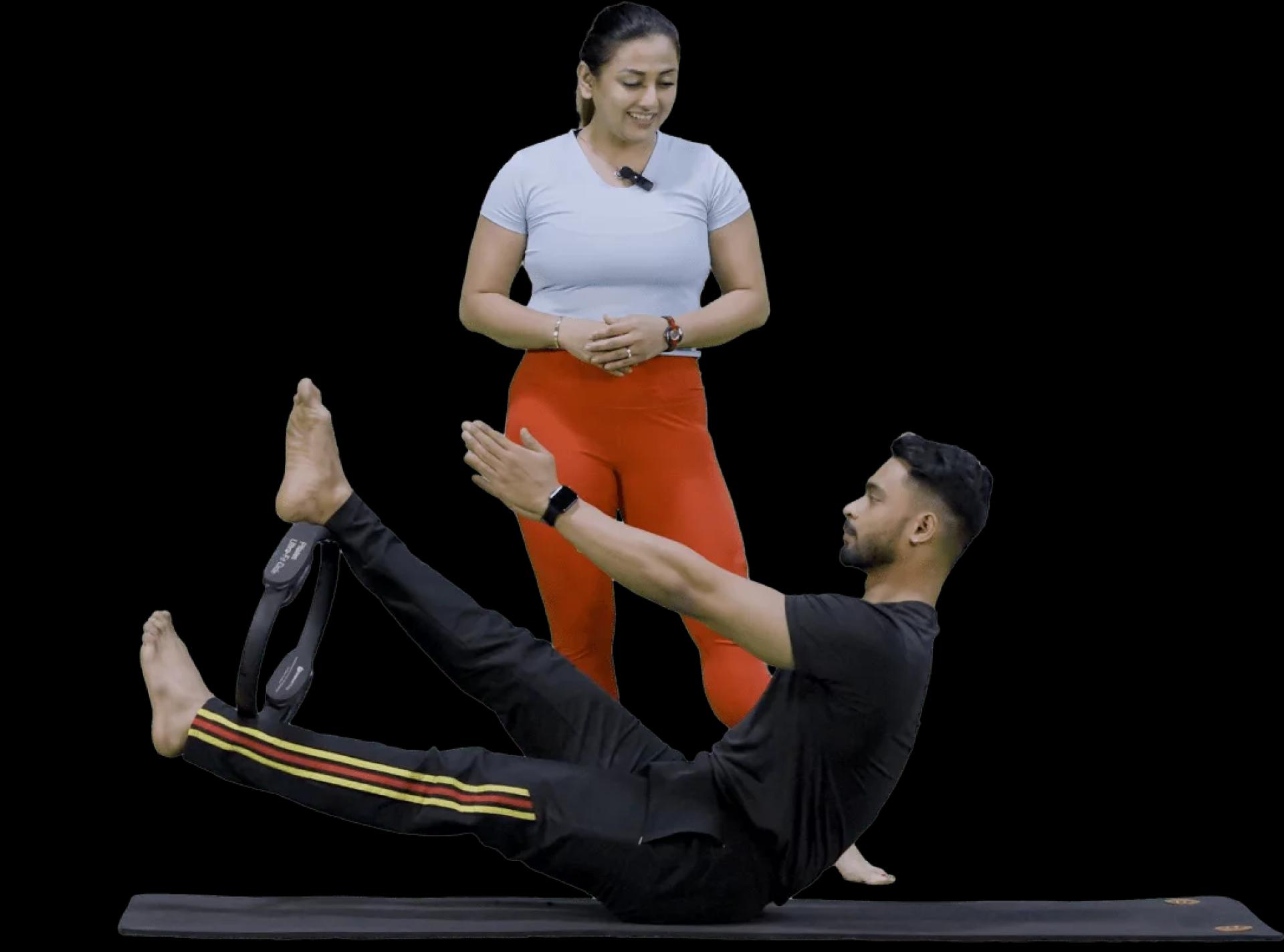
- Exercise Techniques: Mastering classic and modified mat Pilates exercises with a focus on form, technique, and adaptations.
- Teaching Methodology: Developing cueing techniques, verbal and hands-on corrections, and class structuring skills.
- Client Assessment and Modifications: Understanding how to tailor sessions to suit different fitness levels, injuries, and special populations.
- Practical Teaching Experience: Gaining hands-on experience by instructing peers and receiving feedback.
4. Course Duration and Certification
The length of a mat Pilates teacher training course varies depending on the program. Some intensive courses can be completed in a few weeks, while others may extend over several months with part-time study options. Upon successful completion, participants receive a certification that qualifies them to teach mat Pilates professionally.
5. Choosing the Right Training Program
Selecting a reputable training course is crucial for acquiring the best education and certification. Consider the following factors when choosing a course:
- Accreditation and Recognition: Ensure the program is accredited by a recognized Pilates or fitness organization.
- Instructor Qualifications: Learn about the experience and credentials of the instructors leading the course.
- Course Structure and Support: Look for a program that offers in-depth training, mentorship, and post-certification support.
- Flexibility and Accessibility: Determine whether the course offers in-person, online, or hybrid learning options to suit your schedule.
6. Career Opportunities After Certification
Becoming a certified mat Pilates instructor opens up several career paths in the fitness and wellness industry. Graduates can work in:
- Fitness studios and gyms
- Yoga and Pilates studios
- Rehabilitation and physiotherapy centers
- Corporate wellness programs
- Private one-on-one or group training sessions
Additionally, some instructors choose to open their own Pilates studios or offer online classes to expand their reach.
7. Continuing Education and Specializations
To enhance skills and stay updated with industry trends, instructors often pursue continuing education courses and specializations. Advanced certifications may include pre-natal and post-natal Pilates, Pilates for rehabilitation, or specialized workshops on movement techniques. Ongoing learning ensures instructors continue to provide safe, effective, and engaging classes for their clients.
8. Financial Investment and Return
The cost of a mat Pilates teacher training course varies based on factors such as course length, accreditation, and location. While the initial investment may be significant, the potential to build a successful career in Pilates instruction offers long-term financial and professional rewards.
Conclusion
A mat Pilates teacher training course provides a solid foundation for individuals looking to become professional Pilates instructors. With a well-structured curriculum, hands-on experience, and industry-recognized certification, graduates can pursue diverse career opportunities in the fitness and wellness sector. By selecting a reputable program and continuously expanding their knowledge, aspiring instructors can build a fulfilling and successful career in Pilates instruction.


























Sign in to leave a comment.