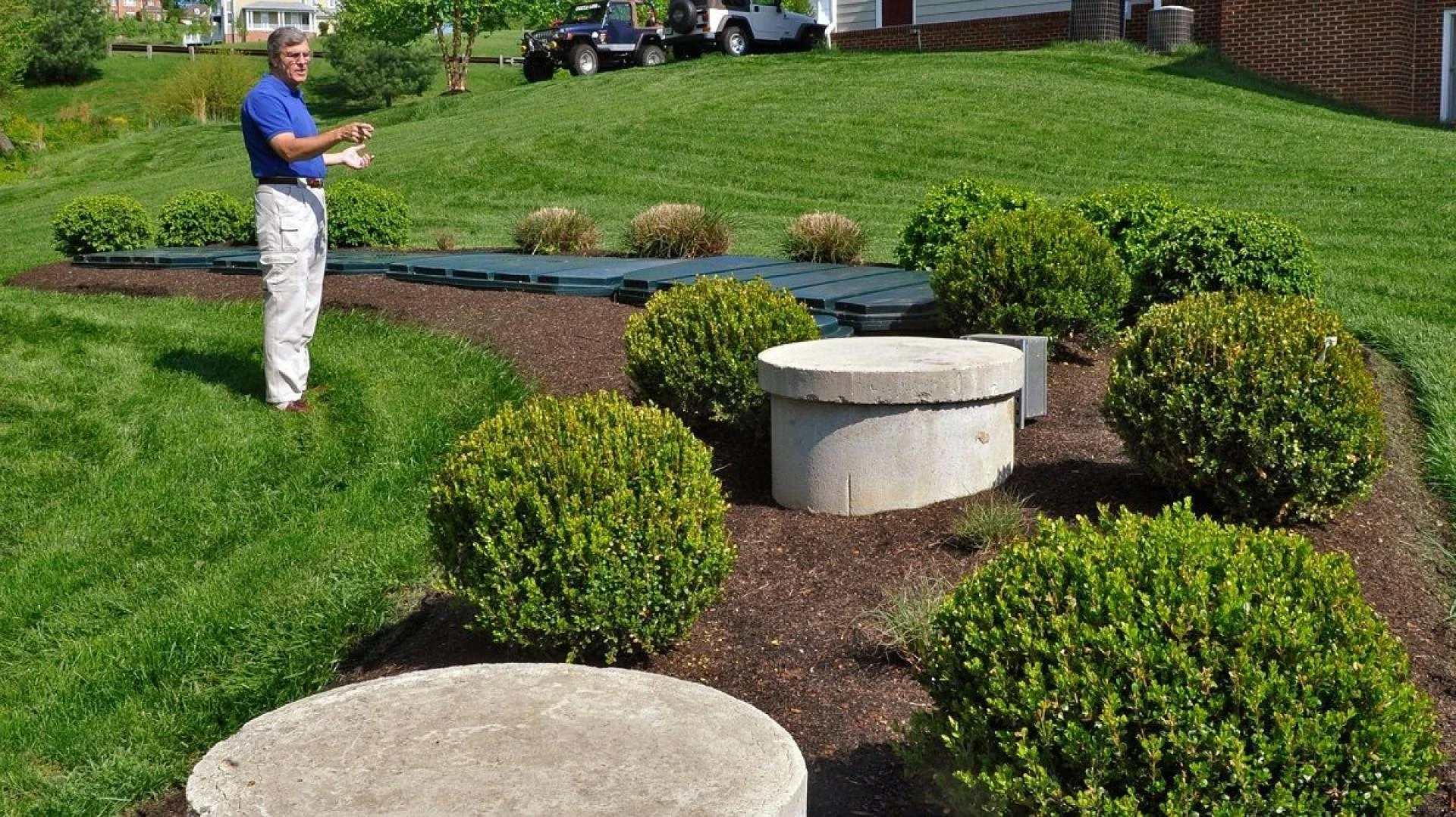

Septic systems play a crucial role in managing wastewater for millions of homes and businesses worldwide. These underground systems are designed to efficiently treat and dispose of household sewage. However, like any other critical infrastructure, septic systems require regular maintenance and inspections to ensure they function optimally. This is where a septic inspector steps in, playing a pivotal role in preserving public health and protecting the environment.
Ensuring Proper Functionality
One of the primary roles of a septic inspector is to assess the overall functionality of a septic system. Through a comprehensive examination, they check for signs of wear and tear, blockages, leaks, and other potential issues. This thorough evaluation helps identify problems before they escalate into costly repairs or environmental hazards.
Preventing Health Hazards
A malfunctioning septic system can pose significant health risks to both humans and wildlife. Untreated sewage can contaminate groundwater, surface water, and soil, leading to the spread of diseases and pathogens. By conducting regular inspections, septic inspectors play a vital role in preventing these potential health hazards.
Protecting the Environment
Properly functioning septic systems are critical for preserving the environment. When a septic system fails, untreated sewage can contaminate local ecosystems, harming aquatic life and vegetation. Additionally, excess nutrients from sewage can contribute to water pollution, leading to issues like algal blooms and oxygen-depleted zones. A septic inspector helps safeguard the environment by identifying and rectifying issues in a timely manner.
Complying with Regulations
Many jurisdictions require regular septic inspections to ensure compliance with local and state regulations. These regulations are in place to safeguard public health, protect the environment, and maintain the integrity of groundwater sources. A septic inspector ensures that property owners adhere to these essential guidelines, avoiding potential legal ramifications.
Extending the Lifespan of the Septic System
Regular inspections can significantly extend the lifespan of a septic system. By identifying and addressing minor issues early on, septic inspectors help prevent larger, more costly problems from arising. This proactive approach can save property owners a substantial amount of money in the long run.
Providing Peace of Mind for Property Owners
For property owners, knowing that their septic system is in good working order is a source of peace of mind. Regular inspections offer reassurance that their investment is being properly maintained and that they are doing their part to protect the environment and public health.
Conclusion
Septic inspections are a crucial aspect of responsible septic system ownership. They play a pivotal role in ensuring the proper functionality of these essential wastewater treatment systems, preventing health hazards, protecting the environment, and complying with regulations. By investing in regular septic inspections, property owners not only extend the lifespan of their septic system but also contribute to the overall well-being of their community and the environment at large. It is an investment that pays dividends in terms of health, safety, and environmental preservation.




























Sign in to leave a comment.