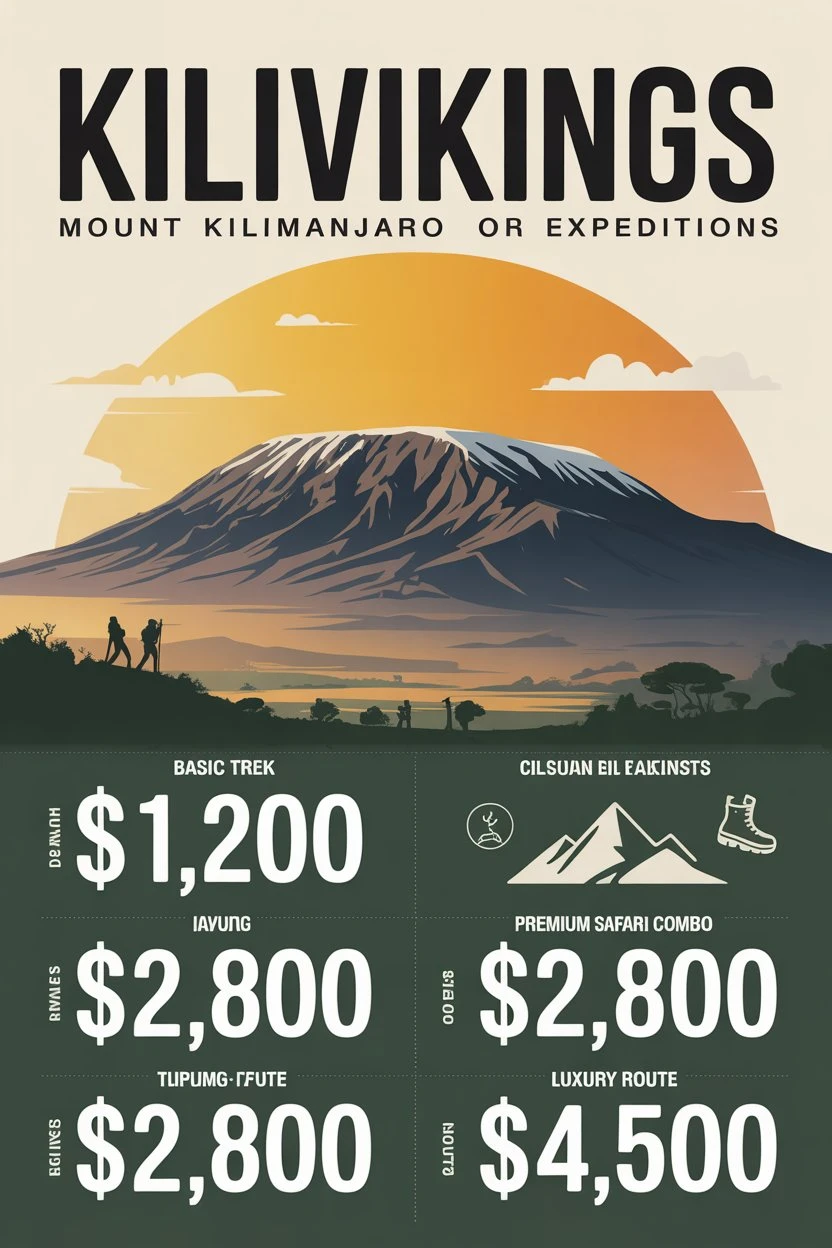

When adventurers from around the world dream of climbing Mount Kilimanjaro, they imagine breath-taking views, personal accomplishment, and a journey through varied climates. For those planning this life-changing experience, understanding Kilimanjaro weather and choosing the right guide company are critical parts of preparation. In this detailed article, we’ll explore what Kilivikings offers as a premier trekking operator — and how the mountain’s weather shapes every successful climb.
Who Are Kilivikings?
Kilivikings is a well-established Kilimanjaro trekking and safari operator headquartered in Tanzania. With over 16 years of experience guiding climbers to Africa’s highest peak, Kilivikings emphasizes safety, quality equipment, and meaningful experiences for trekkers of all backgrounds. Their team includes expert guides, trained kitchen staff, and porters who work together to make every climb rewarding and safe.
Unlike operators that treat trekking as transactions, Kilivikings focuses on building relationships, ensuring every traveler feels supported from arrival to summit celebration. They offer a suite of tailored trekking packages that cover well-known routes such as Lemosho, Machame, Marangu, Rongai, Shira, and Umbwe.
Understanding Kilimanjaro Weather: Why It Matters
Planning your Kilimanjaro climb without knowing the Kilimanjaro weather is like setting sail without checking wind conditions. This mountain’s climate is as varied as its routes, and understanding weather patterns is essential for safety, comfort, and summit success.
A Mountain of Many Climates
Mount Kilimanjaro isn’t just a single environment — it’s a journey through multiple climatic zones:
- Base and lower slopes: Temperatures can be warm, with averages around 20–27 °C (68–80 °F). These levels are often humid, partially forested, and subject to rain showers during wet seasons.
- Mid-altitude zones: As you ascend, temperatures drop significantly. The rainforest transitions to moorland and heath zones, often seeing cold nights and a mix of rain and wind.
- Summit environments: Near Uhuru Peak, the top of Kilimanjaro, temperatures can plunge to well below freezing — at times as low as −29 °C (−20 °F). Snow and ice are possible year-round, even when conditions lower on the mountain feel mild.
These drastic changes in Kilimanjaro weather mean climbers need versatile gear and preparation strategies tailored to each zone.
Seasonal Patterns and Summit Planning
Just like most high-altitude destinations, Kilimanjaro has wet and dry seasons. Generally:
- Dry seasons (best for climbing): late June to October, and January to early March. These months boast more predictable conditions with reduced rainfall, making trails safer and visibility clearer.
- Wet seasons (challenging): March to May and November. Trails can become muddy, slippery, and harder to navigate — conditions that can also increase chill and risk.
Strategizing your climb around these periods helps you take advantage of optimal Kilimanjaro weather, improving the likelihood of reaching the summit without undue hardship.
What Kilivikings Offers Climbers
Diverse Route Options
Kilivikings curates a variety of trek routes, ranging from popular, scenic ascents to more challenging paths. Each route has its own strengths:
- Lemosho Route: Known for scenic views and higher acclimatization success.
- Machame Route: A crowd favorite for its diverse terrain and rewarding summit approach.
- Marangu Route: A classic path with hut accommodations — often preferred by first-time climbers.
- Rongai Route: Gentler gradients make this route accessible and good for acclimatization.
- Shira and Umbwe Routes: For those seeking adventure and lesser-traveled paths.
No matter the path chosen, Kilivikings’ guides prepare clients for how Kilimanjaro weather conditions may vary along each section of the trek.
Expert Guides, Safety, and Support
What sets Kilivikings apart is their emphasis on training and safety. Their staff undergo regular first aid training and customer care instruction to assist climbers throughout the journey. They bring high-quality equipment and specialized vehicles for safari extensions to the Kilimanjaro trek.
Summiting Kilimanjaro isn’t just a hike — it’s a logistical challenge. Understanding Kilimanjaro weather and how it impacts daily trail conditions helps the staff to adapt hiking schedules, camp placements, and hydration plans for climbers’ well-being.
Multidimensional Adventures
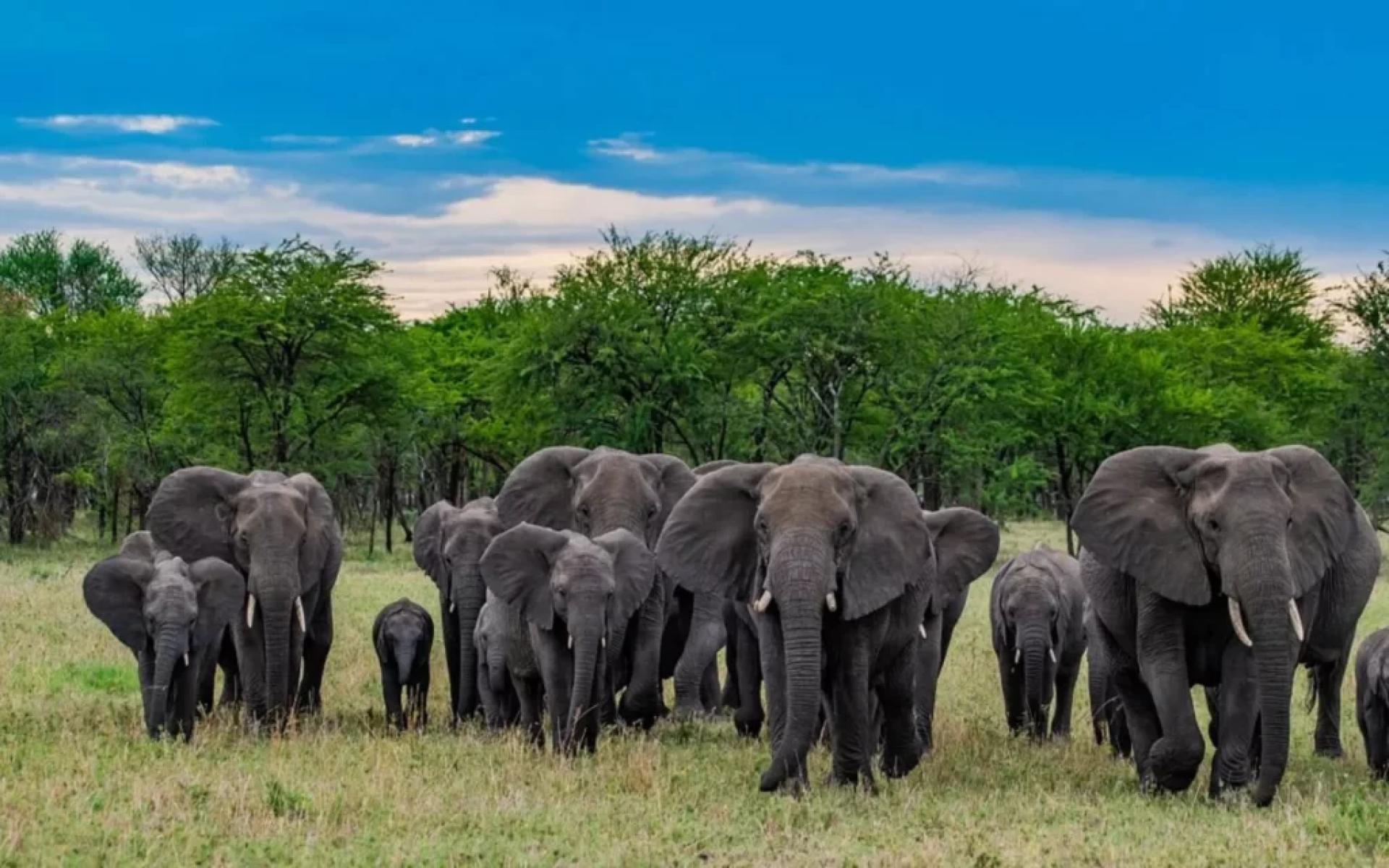
Beyond the climb itself, Kilivikings also offers safari packages across Tanzania’s iconic national parks — blending trekking with wildlife sightings for a full African adventure.
Preparing for Kilimanjaro Weather and the Climb
Gear and Clothing
Because Kilimanjaro’s weather changes so dramatically with elevation, layering is essential. Think in terms of:
- Breathable base layers
- Insulating mid-layers
- Waterproof outer shells
- Sturdy boots and warm gloves/hats
Expect warm, humid conditions at lower elevations and icy winds and snow near the summit. The right gear ensures comfort and safety regardless of weather swings.
Physical Conditioning and Acclimatization
Proper training months before your climb can make acclimatization smoother. Even with strong fitness, altitude sickness can affect anyone. Good hydration, gradual pacing, and responsive guides are keys to keeping climbers healthy and increasing the chances of summiting.
Kilivikings emphasizes pacing and acclimatization strategies to match the unpredictable nature of Kilimanjaro weather and high-altitude physiology.
Nutritional and Hydration Strategy
A critical part of dealing with high elevations and weather extremes is nutrition. Eating well and staying hydrated keeps energy levels up as temperature and oxygen levels fluctuate. Kilivikings incorporates nutrition and hydration guidance into their expedition planning.
Why Climbers Choose Kilivikings
Choosing a mountain operator is almost as important as choosing the mountain itself. What makes Kilivikings attractive to adventurers includes:
- Years of guided experience
- Focus on client safety and satisfaction
- Knowledgeable handling of weather-related challenges
- Diverse route offerings
- Integrated safari experiences
With Kilimanjaro’s weather and terrain presenting a dynamic environment, having a trusted guide partner like Kilivikings can make all the difference between a trek and an unforgettable achievement.
Final Thoughts
Climbing Mount Kilimanjaro is not just about reaching the summit — it’s about understanding and respecting the mountain’s conditions, especially the notoriously variable Kilimanjaro weather. Choosing an experienced partner like Kilivikings brings both expert guidance and thoughtful preparation to your adventure, giving you the best possible chance of success.
Whether you’re an experienced trekker or a first-timer, the combination of detailed weather awareness, tailored routes, and committed local guides makes Kilivikings a compelling choice for realizing your Kilimanjaro dreams.
Sign in to leave a comment.