A Deep Dive into Common Switchgear Failure Modes

In the industrial sector, the electrical distribution network is the lifeblood of daily operations. At the core of this network is the switchgear, which acts as the ultimate protective shield against catastrophic electrical faults. However, like any mechanical and electrical system, these assemblies are not completely immune to degradation. Working closely with a premier Electrical Equipment Manufacturer to implement a rigorous predictive maintenance program is essential to prevent unexpected grid shutdowns.
To safeguard your infrastructure, engineering teams must understand the primary Switchgear Failure Modes that can compromise system integrity and learn how to mitigate them before they cause costly downtime.
1. Insulation Degradation: The Silent Threat
Insulation breakdown is one of the most frequent causes of catastrophic switchgear destruction. Over time, internal insulating materials are subjected to intense thermal, mechanical, and environmental stress.
- Moisture and Dust Ingress: When dust and ambient moisture settle on insulating surfaces, they create a conductive path. This leads to tracking and localized tracking currents, eventually resulting in a full phase-to-phase short circuit.
- Partial Discharge (PD): This localized electrical discharge does not completely bridge the space between two conductors. If left undetected, PD slowly eats away at solid insulation until a complete dielectric breakdown occurs.
2. Mechanical Malfunctions: When Moving Parts Stagnate
Switchgear relies heavily on rapid mechanical movements to isolate electrical faults within milliseconds. If a mechanism fails to move, the entire downstream system is left completely unprotected.
- Hardened Lubricants: Circuit breaker operating mechanisms are packed with grease that can dry out or collect dust over years of inactivity. When a trip signal is sent, the stiffened joints can cause the breaker to jam or operate too slowly.
- Component Wear and Alignment: Repeated operations cause alignment shifts in springs, linkages, and latches, preventing the switchgear from latching or opening properly during an emergency.
3. Thermal Overheating and Contact Degradation
Electrical connections naturally experience thermal cycling as electrical loads rise and fall throughout the production day.
- Loose Connections: Mechanical vibrations and thermal expansion can cause busbar bolts and cable terminations to loosen over time. A loose connection introduces high electrical resistance, generating localized hotspots that can melt components or ignite electrical fires.
- Contact Oxidation: Copper and silver-plated contacts can oxidize when exposed to harsh industrial atmospheres, increasing contact resistance and thermal stress.
4. Engineering Solutions: Choosing Resilient Infrastructure
Mitigating these failure modes starts at the design phase by selecting robust, compartment-separated equipment tailored to your specific facility requirements.
Heavy-Duty Grid Defense with Modern Assemblies
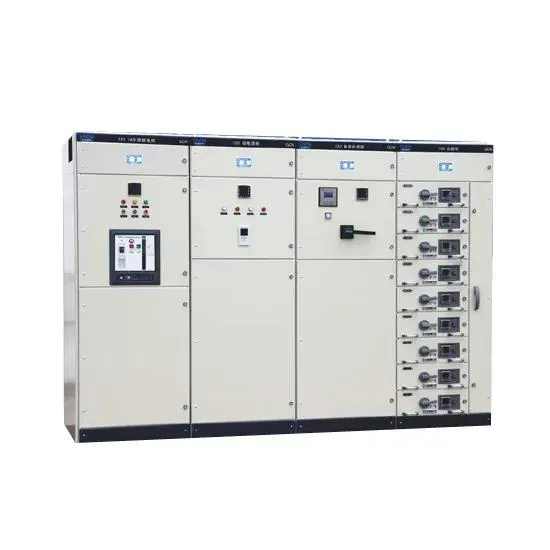
For large-scale industrial facilities demanding high breaking capacities, upgrading to a gck switchgear assembly provides exceptional mechanical strength and thermal stability. The structural layout of this framework physically separates functional units into distinct compartments. This clever physical containment ensures that if an insulation failure or thermal arc occurs within one unit, it is safely isolated, preventing the fault from cascading through the rest of the electrical cabinet.
Securing Downstream Distribution Lines
Protection must also extend past the main power panels down to localized distribution points. Utilizing an engineered low voltage distribution box provides compact, weather-resistant protection for terminal circuits. High-quality metal enclosures shield internal circuit breakers and fuses from dust and humidity, effectively eliminating the environmental hazards that trigger insulation tracking.
Conclusion
Recognizing the core failure modes of electrical switchgear allows facility managers to shift from reactive firefighting to proactive, predictive maintenance. By investing in type-tested, compartmentalized hardware and conducting regular thermal imaging and insulation testing, modern enterprises can secure absolute operational continuity and protect their vital workforce.





Sign in to leave a comment.