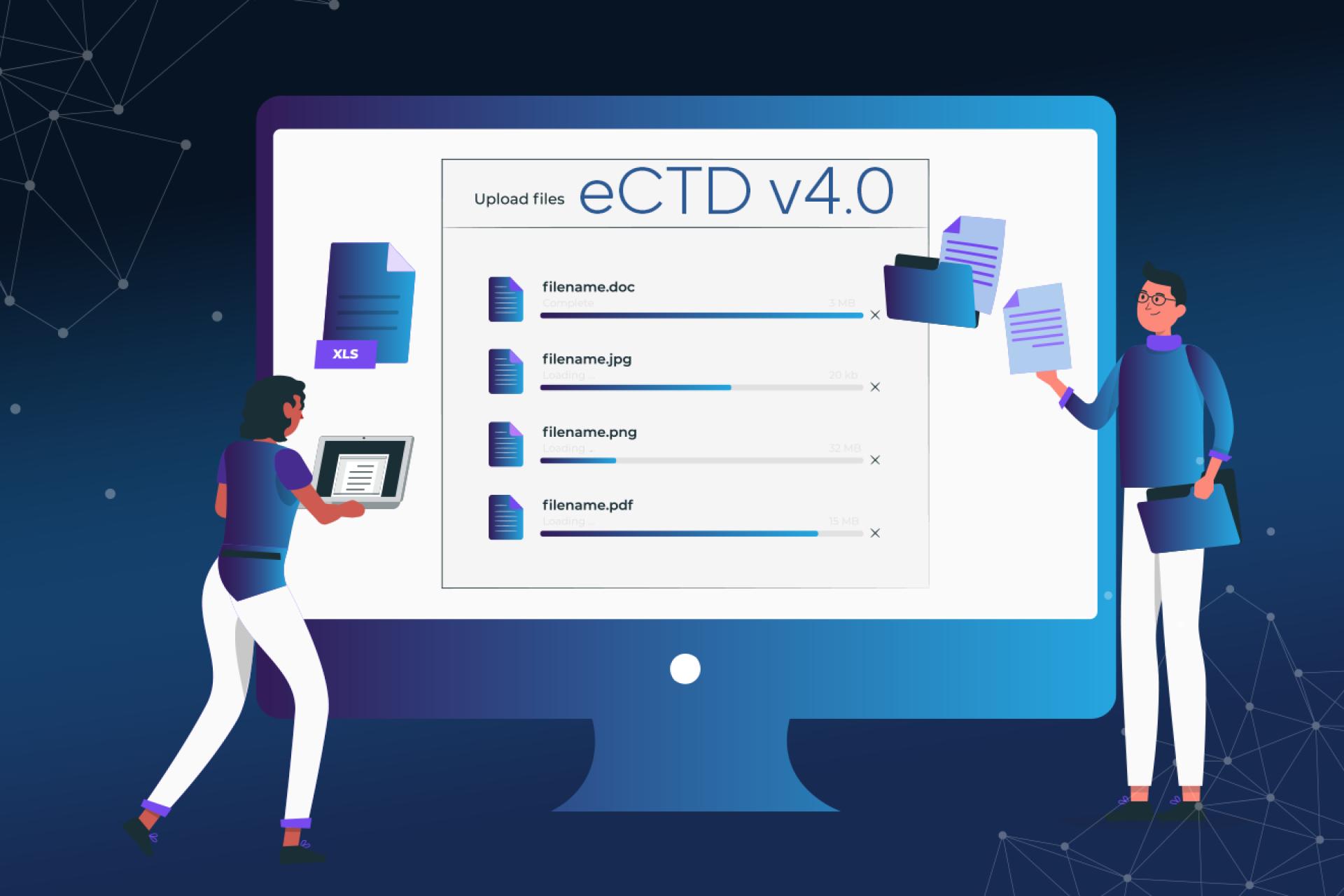

The transition to eCTD v4.0 marks a significant milestone in the evolution of regulatory submissions. As Japan's Pharmaceuticals and Medical Devices Agency (PMDA) prepares for the mandatory adoption of eCTD v4.0 by 2026, it's crucial for pharmaceutical companies to understand the nuances of this new system and how it differs from global practices.
Understanding eCTD v4.0
eCTD v4.0 introduces several enhancements over its predecessor, eCTD v3.2.2, including:
- Unified Submission Format: Unlike the previous version, which required separate folders for Modules 1 and 2–5, eCTD v4.0 consolidates all modules into a single XML-based submission unit. This change simplifies the submission process and reduces the potential for errors.
- Enhanced Metadata and Controlled Vocabularies: The new version incorporates more detailed metadata and standardized controlled vocabularies, improving the accuracy and consistency of submissions.
- Improved Lifecycle Management: eCTD v4.0 offers better tracking and management of document versions, facilitating more efficient updates and amendments.
Japan's Approach to eCTD v4.0
Japan's adoption of eCTD v4.0 is characterized by several unique features:
- Mandatory Adoption by 2026: The PMDA plans to mandate the use of eCTD v4.0 for all submissions by 2026. This timeline is more aggressive compared to other regions, underscoring Japan's commitment to aligning with global standards.
- Regional Metadata and Controlled Vocabularies: Japan has developed its own set of controlled vocabularies and metadata standards, which may differ from those used in other regions. This necessitates careful attention to ensure compliance with PMDA requirements.
- Unique Submission Structure: The PMDA requires a specific folder structure for submissions, including a dedicated "jp" folder in Module 1, which may not be applicable in other regions.
Global Differences in eCTD v4.0 Implementation
While the core principles of eCTD v4.0 are consistent globally, each regulatory agency has tailored the implementation to meet regional needs:
- United States (FDA): The FDA has begun accepting eCTD v4.0 submissions on a voluntary basis, with plans to mandate its use in the near future. The FDA's implementation focuses on enhancing submission flexibility and improving communication between applicants and reviewers.
- European Medicines Agency (EMA): The EMA has initiated pilot programs for eCTD v4.0 and plans to mandate its use for centralized procedure applications starting in 2027. The EMA emphasizes the importance of forward compatibility and the ability to reference older eCTD versions in new submissions.
- Other Regions: Countries like Canada, Australia, and Switzerland are in various stages of adopting eCTD v4.0, with timelines ranging from 2026 to 2027.
Preparing for eCTD v4.0 in Japan
To ensure a smooth transition to eCTD v4.0 for submissions to the PMDA, pharmaceutical companies should consider the following steps:
- Conduct a Gap Analysis: Assess current submission processes and identify areas that need modification to comply with eCTD v4.0 requirements.
- Upgrade Submission Tools: Invest in software that supports eCTD v4.0 specifications, including the ability to handle new metadata fields and controlled vocabularies.
- Train Regulatory Affairs Teams: Provide training to ensure that all team members are familiar with the new submission format and understand the specific requirements of the PMDA.
- Engage with Regulatory Experts: Collaborate with consultants or service providers who have experience with eCTD v4.0 submissions to navigate the complexities of the new system.
Conclusion
The adoption of eCTD v4.0 represents a significant advancement in the regulatory submission process. While Japan's approach includes unique elements tailored to its specific needs, the core principles of eCTD v4.0 remain consistent globally. By understanding these differences and preparing accordingly, pharmaceutical companies can ensure compliance and streamline their submission processes.



























Sign in to leave a comment.