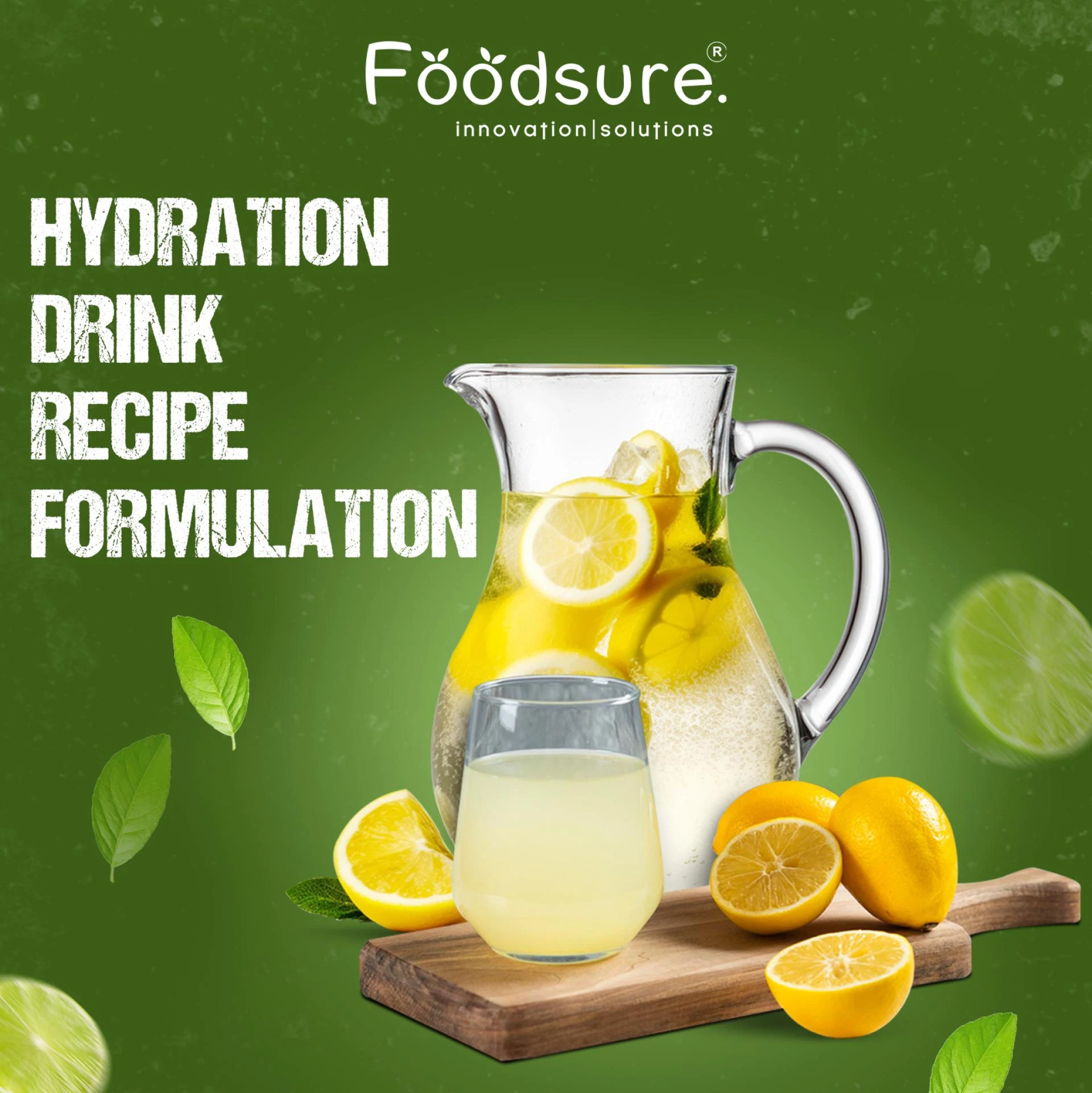

In today's fast-paced world, staying hydrated is crucial for maintaining optimal health and performance. Whether you're an athlete pushing your limits or simply navigating your daily routine, replenishing fluids and vital electrolytes is essential. But what goes into creating the perfect hydration drink? Let's explore the fascinating world of hydration drink recipe formulation.
The Science of Hydration
Our bodies are composed of about 60% water, and this fluid plays a vital role in numerous bodily functions, including regulating temperature, transporting nutrients, and lubricating joints. When we sweat, we lose not only water but also essential electrolytes like sodium, potassium, and magnesium. These minerals are crucial for maintaining fluid balance, nerve function, and muscle contractions.
Crafting the Ideal Hydration Drink: A Structured Approach
Developing a quality hydration drink recipe is more than just mixing a few ingredients. It requires a structured process to ensure the final product is effective, functional, and tastes great. Here's a glimpse into the key steps:
1. Identifying the Target Market: The first step is to determine who the drink is intended for. Is it for athletes seeking post-workout recovery, or is it designed for the general population looking for a daily hydration boost? Understanding the target market allows for optimization of the drink's nutritional profile to meet specific needs.
2.Selecting Essential Ingredients: The foundation of any hydration drink is, of course, water. However, to truly replenish what's lost through sweat, the inclusion of key electrolytes is paramount.
- Sodium: This electrolyte is crucial for fluid balance and helps the body retain water.
- Potassium: Important for nerve function and muscle contractions, potassium works in tandem with sodium to maintain fluid balance.
- Magnesium: Involved in numerous bodily processes, magnesium plays a role in energy production and muscle function.
3.Choosing Beneficial Additives: Beyond electrolytes, other additives can enhance the effectiveness and appeal of a hydration drink. These might include:
- Carbohydrates: Providing a source of energy, carbohydrates can be particularly beneficial for athletes.
- Vitamins: Adding vitamins can contribute to overall health and well-being.
- Flavorings: Making the drink palatable is essential for encouraging consumption. Natural fruit extracts and other flavorings can be used to create a refreshing taste.
4.Optimizing the Nutritional Profile: The specific amounts of each ingredient must be carefully considered to achieve the desired effect. For example, a post-workout recovery drink might have a higher concentration of electrolytes and carbohydrates compared to a general hydration beverage.
5.Ensuring Quality and Taste: Rigorous testing and quality control measures are essential to ensure the drink meets the highest standards. Taste is also a crucial factor; a drink that doesn't taste good is unlikely to be consumed regularly.
Beyond the Basics: Tailoring Hydration Drinks to Specific Needs
The beauty of hydration drink formulation lies in its versatility. By adjusting the ingredients and their proportions, drinks can be tailored to meet a wide range of needs.
- Sports Drinks: Designed for athletes, these drinks typically contain higher levels of electrolytes and carbohydrates to fuel performance and aid recovery.
- Daily Hydration Beverages: These drinks focus on replenishing fluids and electrolytes lost through everyday activities. They may have lower concentrations of carbohydrates compared to sports drinks.
- Medical Hydration Solutions: In cases of dehydration due to illness, specialized solutions with specific electrolyte balances may be necessary.
The Future of Hydration
As our understanding of the human body and its hydration needs evolves, so too will the formulation of hydration drinks. We can expect to see continued innovation in this field, with new ingredients and technologies being explored to create even more effective and personalized hydration solutions.






























Sign in to leave a comment.