
Acne is often perceived as a teenage affliction, but many adults also struggle with this persistent skin condition.
Adult acne can cause frustration and self-esteem issues, making it essential to gain a deeper understanding of its causes and explore effective solutions.
In this article, we will delve into the triggers of adult acne and the importance of seeking treatment from a dermatologist.
By exploring these factors in-depth, we can empower individuals with the knowledge they need to address and manage their acne effectively.
Before delving into the depths of understanding adult acne, it's worth noting that seeking professional treatment is crucial.
For the best results, consider consulting the experts at a leading dermatology clinic in Bangalore, India.
With their state-of-the-art facilities, this clinic offers a comprehensive range of treatments, not only for acne but also for advanced skin and hair procedures like CoolSculpting, HydraFacial, and Laser Skin Removal.
By entrusting your skincare needs to these experienced professionals, you can ensure that you receive top-quality care and access to cutting-edge treatments.
Now, let's explore the intricacies of comprehending adult acne, identifying triggers, and finding effective solutions.
Understanding Adult Acne:
Contrary to popular belief, adult acne is not solely a result of poor hygiene or diet. Hormonal imbalances, stress, and genetics can all contribute to the development of acne in adulthood.
Hormonal changes, such as those experienced during menstruation or menopause, can trigger acne breakouts by increasing sebum production and clogging pores.
Stress, a common factor in modern life, can also disrupt hormonal balance and exacerbate acne symptoms.
Identifying Triggers:
To effectively manage adult acne, it is crucial to identify the triggers that worsen breakouts. By recognizing these triggers, individuals can make informed lifestyle choices and take proactive measures to minimize the occurrence and severity of acne. Some common triggers include:
Hormonal Fluctuations:
Women may experience acne flare-ups during their menstrual cycle, pregnancy, or menopause due to hormonal changes. Understanding these patterns can help individuals anticipate and manage breakouts more effectively.
Stress:
Chronic stress can disrupt hormone levels and weaken the immune system, leading to increased sebum production and inflammation. Developing stress management techniques, such as exercise, meditation, or therapy, can aid in acne management.
Diet:
While diet alone does not cause acne, certain foods, such as dairy products and high-glycemic index foods, can aggravate existing acne. Monitoring and adjusting dietary choices can help minimize inflammation and breakouts.
Skincare Products:
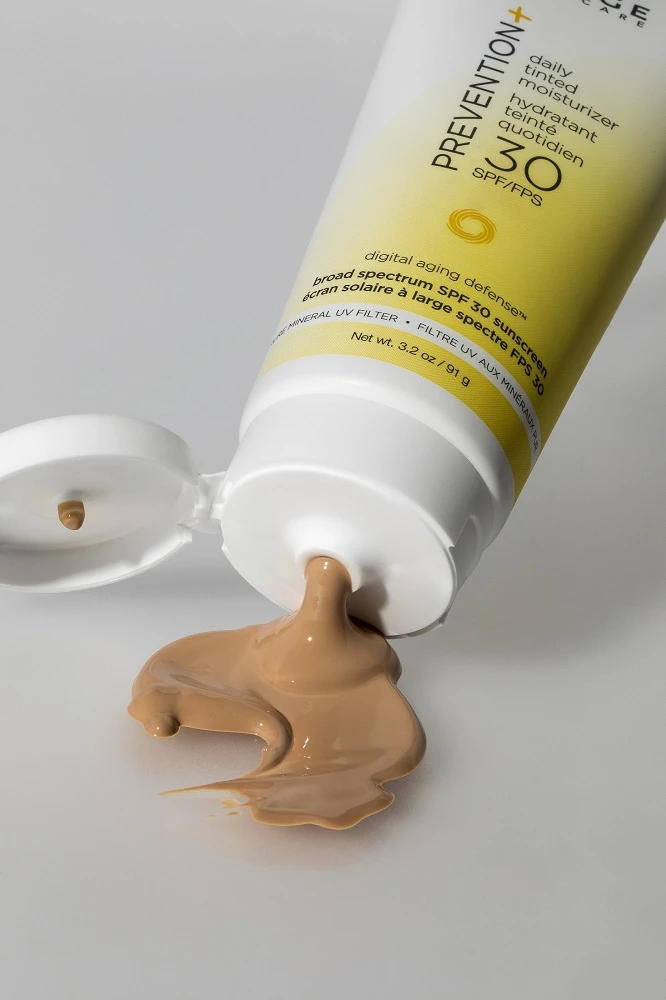
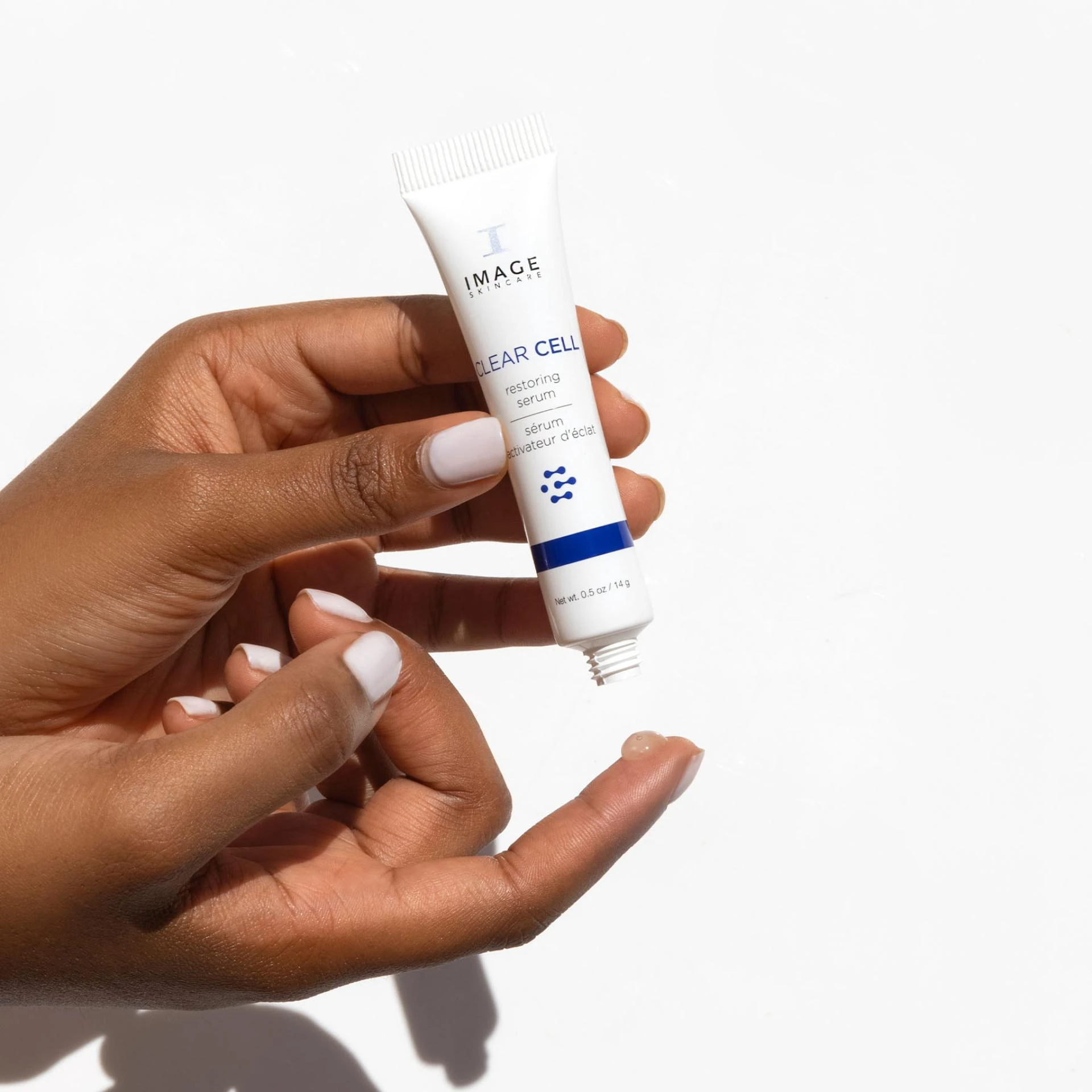
Using harsh or comedogenic (pore-clogging) skincare products can contribute to acne breakouts. Opting for non-comedogenic and gentle products suitable for acne-prone skin can make a significant difference.
Relevance of Dermatological Treatment:
While some individuals may attempt to address adult acne using over-the-counter products, seeking treatment from a dermatologist is highly recommended.
Dermatologists are specialized healthcare professionals who can provide personalized assessments and develop tailored treatment plans based on an individual's unique skin type, concerns, and triggers.
Here are some reasons why dermatological treatment is essential for managing adult acne:
Accurate Diagnosis:
Dermatologists possess the expertise to accurately diagnose the type and severity of acne. This enables them to prescribe suitable treatments and avoid potential complications.
Customized Treatment Plans:
Every individual's skin is unique, requiring personalized approaches to acne treatment. Dermatologists can develop comprehensive treatment plans that combine medical-grade skincare products, medications, and in-office procedures, ensuring optimal results.
Professional Guidance:
Dermatologists can guide individuals on proper skincare routines, recommend effective products, and provide valuable advice on lifestyle modifications. Their expertise ensures individuals receive evidence-based guidance for long-term acne management.
Advanced Treatment Options:
Dermatologists have access to advanced treatment options that can effectively target stubborn acne, such as prescription medications, chemical peels, laser therapy, and microdermabrasion. These treatments can help accelerate the healing process and prevent future breakouts.
Conclusion:
Understanding the triggers of adult acne is crucial for effectively managing this common skin condition.
By identifying and addressing the underlying factors, individuals can make informed decisions about their lifestyle choices, skincare routine, and treatment options.
Consulting with a dermatologist is highly recommended, as they can provide accurate diagnoses, customized treatment plans, and professional guidance.
With the right knowledge and guidance, individuals can take control of their adult acne, boost their self-confidence, and enjoy clearer, healthier skin.



















Sign in to leave a comment.