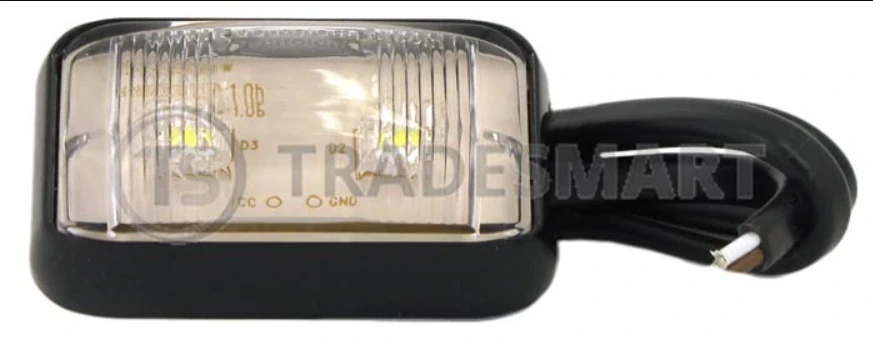

Vehicles are equipped with flashing warning lights such as beacons and strobes to communicate a specific warning to other people on the road. In this blog, we have gathered information about warning lights and everything you need to know about them.
The uses of Amber Warning Lights
Amber warning industrial lights NZ are used to alert drivers to possible road dangers or impediments. Construction, maintenance, sluggish and big cars, stopped and broken down vehicles, and vehicles that stop frequently on the road are all examples of this. The lights come in a variety of forms and sizes, but beacons, strobes, light boxes, light bars, warning lights, and utility bars are the most typical varieties you'll encounter on the road.
Importantly, the usage of amber warning lights does not grant any traffic precedence. The purpose of an amber beacon or strobe is to alert other road users that there is a traffic hazard. Because it may signify a possible hazard, it should only be utilised when the vehicle is stationary or moving in a dangerous position.
When the vehicle is in a non-hazardous scenario, an amber strobe or beacon shall not operate and must be switchable by the driver or operator.
The difference between a beacon, strobe, and rotator
Rotating beacon lights (rotators) originally employed three or four halogen spotlights positioned within a lens and connected to an electric motor through gears or rubber belts that rotated the entire system. These set-ups worked quite well. However, they were frequently heavy and prone to damage from heat, vibration, falls, or unintentional strikes.
The original rotator was replaced with a central halogen globe with a revolving lens (or mirror) as technology advanced. This type of warning light, as well as the static strobe tube design, is still widely used. However, because these bigger and less dependable lights are subject to wear from vibration and heat, modern LED strobe technology is increasingly being used to replace them.
The LED strobe is the present industry standard. This more compact and dependable gadget makes use of a number of brilliant, long-lasting LEDs that can be set to do certain tasks in specified patterns and at different brightness levels. To maximise its efficacy, the LED is paired with unique reflector optics. It doesn't have any moving components and has a very long and dependable service life.
Which technology is right for you?
There is no one-size-fits-all response to this question. Even in the same application areas, there is no consistent response. However, with the help of specific criteria, the choices may be restricted. Consider the following questions while looking for the suitable beacon for your application:
Will the beacon be used frequently or intensively?What happens when we turn on and off the beacon?Is it more necessary to consider the initial cost or the total cost of ownership?The most important consideration is where the beacon will be utilised and how demanding the application will be.
The benefits of an LED beacon are obvious if you plan on using it regularly. These beacons have a longer life period than halogen beacons and require no maintenance. There are no moving components or a globe to change.
In frequent usage situations, a hard-wired beacon that can be switched from within the cabin is usually preferable to a magnetic battery or 12-volt auxiliary outlet (cigarette lighter) powered beacon. Not only can you turn the beacon on and off from within the cabin, but it's also more secure against theft or loss. Visit our website now.










Sign in to leave a comment.