

Nail care is an often overlooked but essential part of maintaining a dog’s overall health. While coat grooming tends to receive more attention, nails directly affect a dog’s posture, movement, and comfort. Overgrown nails can interfere with walking, cause joint strain, and increase the risk of injury. For many pet owners, understanding when and how nail trimming should be done is the first step toward better canine wellness.
In local communities, professional services such as Dog Nail Trimming Riverview have become more relevant as dog ownership increases and lifestyles grow busier. These services help ensure that nail care is performed safely and consistently, particularly for dogs that resist handling or have specific health concerns. Learning why nail trimming matters can help owners make informed decisions about routine grooming.
Why Proper Nail Length Matters
A dog’s nails should ideally be short enough that they do not touch the ground when the dog is standing naturally. When nails grow beyond this point, they can push the toes upward and alter how weight is distributed across the joints. Over time, this may lead to discomfort, joint stress, or mobility issues, especially in senior dogs. Long nails are also more prone to cracking, splitting, or catching on surfaces. Such incidents can be painful and may result in bleeding or infection. In active dogs that frequently walk on grass or soft surfaces, nails may not wear down naturally, making regular trimming even more important.
Maintaining proper nail length supports balance and traction. Dogs rely on their paws for stability, and well-trimmed nails allow them to move confidently on different surfaces, whether indoors or outdoors.
How Often Dogs Need Nail Trimming
The frequency of nail trimming varies depending on the dog’s breed, activity level, and environment. Dogs that walk regularly on hard surfaces may experience natural nail wear, while those primarily on grass or indoors may need more frequent trimming. In general, many dogs benefit from nail maintenance every three to four weeks.
Puppies often require more frequent attention as they become accustomed to handling. Early exposure to nail care helps reduce anxiety later in life. Adult dogs, especially those with thicker nails, may need consistent trimming to prevent the quick—the sensitive part of the nail—from growing too long. In areas where professional grooming support is available, Dog Nail Trimming Riverview services often help establish a predictable routine that suits each dog’s individual needs.

Understanding the Anatomy of a Dog’s Nail
A dog’s nail consists of a hard outer shell and a soft inner core known as the quick. The quick contains nerves and blood vessels, making it sensitive to cuts. In dogs with light-colored nails, the quick is often visible, but in dogs with dark nails, it can be difficult to detect.
This anatomical detail is one reason many owners hesitate to trim nails at home. Cutting too close can cause pain and bleeding, which may create long-term fear around grooming. Professional groomers and trained handlers are typically skilled at recognizing safe trimming points, even when the quick is not visible.
Gradual trimming over time can help the quick recede, making future trims easier and safer. This approach emphasizes patience and consistency rather than removing excessive length in one session.
Common Challenges with Nail Trimming
Many dogs find nail trimming stressful, particularly if they have had a negative experience in the past. Sensitivity around the paws, unfamiliar tools, or restraint can cause anxiety or resistance. Some dogs may pull away, vocalize, or become defensive when their feet are handled.
Behavioral challenges are not uncommon, especially in rescue dogs or those with limited early grooming exposure. In such cases, gentle handling techniques and calm environments are essential. Some grooming professionals incorporate breaks, reassurance, and slow movements to help dogs feel more comfortable.
Physical challenges may also arise. Dogs with arthritis or mobility issues may have difficulty maintaining certain positions during trimming. Adjusting posture and providing support can make the process more comfortable and safer for both the dog and the handler.
Tools and Techniques Used in Nail Care
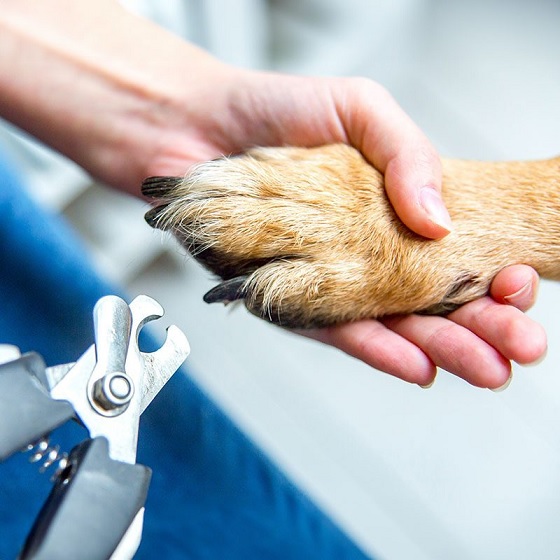
Several tools are commonly used for dog nail trimming, including scissor-style clippers, guillotine-style clippers, and rotary grinders. Each tool has its advantages, and the choice often depends on nail thickness, dog size, and tolerance level.
Clippers are typically used for quick, precise cuts, while grinders allow for gradual shaping and smoothing of the nail edge. Grinding can be especially useful for dogs sensitive to clipping pressure or noise. Regardless of the tool, maintaining sharp, clean equipment is critical for preventing nail splitting. Proper technique involves trimming small amounts at a time and observing the nail closely. Applying gentle pressure and maintaining a steady hand reduces the likelihood of injury. When done correctly, nail trimming should be a controlled and calm process.
Health Benefits Beyond Appearance
While neatly trimmed nails may look better, the real benefits are functional and health-related. Proper nail length helps prevent posture changes that can affect the spine and joints. It also reduces the likelihood of nails breaking or tearing during play.
Shorter nails make it easier for dogs to grip surfaces, which is especially important for older dogs or those recovering from injury. Improved traction can prevent slips and falls, particularly on smooth indoor flooring. Regular nail trimming sessions also allow for routine inspection of the paws. Issues such as swelling, redness, foreign objects, or abnormal nail growth can be noticed early, supporting preventive care.
At-Home Nail Care Versus Professional Services
Some dog owners choose to trim nails at home, particularly if their dog is calm and cooperative. Home care can be effective when owners are well-informed and confident in their technique. However, it requires patience, proper tools, and a clear understanding of nail anatomy.
Professional services provide an alternative for dogs that are difficult to handle or for owners who prefer expert support. In communities offering Dog Nail Trimming Riverview options, professional care can help reduce stress for both pets and owners. These services are often integrated into broader grooming routines, making nail care a regular and predictable experience. Choosing between home and professional care depends on the dog’s temperament, the owner’s comfort level, and the complexity of the dog’s nail structure.
Creating a Positive Nail Trimming Experience
Positive reinforcement plays a key role in successful nail care. Offering treats, praise, or short breaks can help dogs associate trimming with positive outcomes. Gradual desensitization allowing dogs to become familiar with tools and handling can also reduce anxiety over time.
Consistency matters. When nail trimming becomes a regular part of a dog’s routine, it feels less unfamiliar and intimidating. Calm environments, steady movements, and patience all contribute to a smoother experience. In areas where grooming professionals are accessible, Dog Nail Trimming Riverview services may help reinforce these positive habits through structured and gentle care approaches.
Nail trimming is a vital yet often underestimated aspect of dog care. From supporting healthy movement to preventing injury, properly maintained nails contribute significantly to a dog’s quality of life. Understanding the anatomy, frequency, and techniques involved allows owners to make informed choices about nail care routines. Whether handled at home or with professional assistance, consistent nail maintenance helps dogs stay comfortable, confident, and active. Thoughtful nail care reflects a broader commitment to pet wellness and responsible ownership.
🐾 Riverview Barksuds
📍 3145 US Highway 301, Riverview, FL 33578
📞 Mobile: 813-284-5988

Sign in to leave a comment.