
Introduction
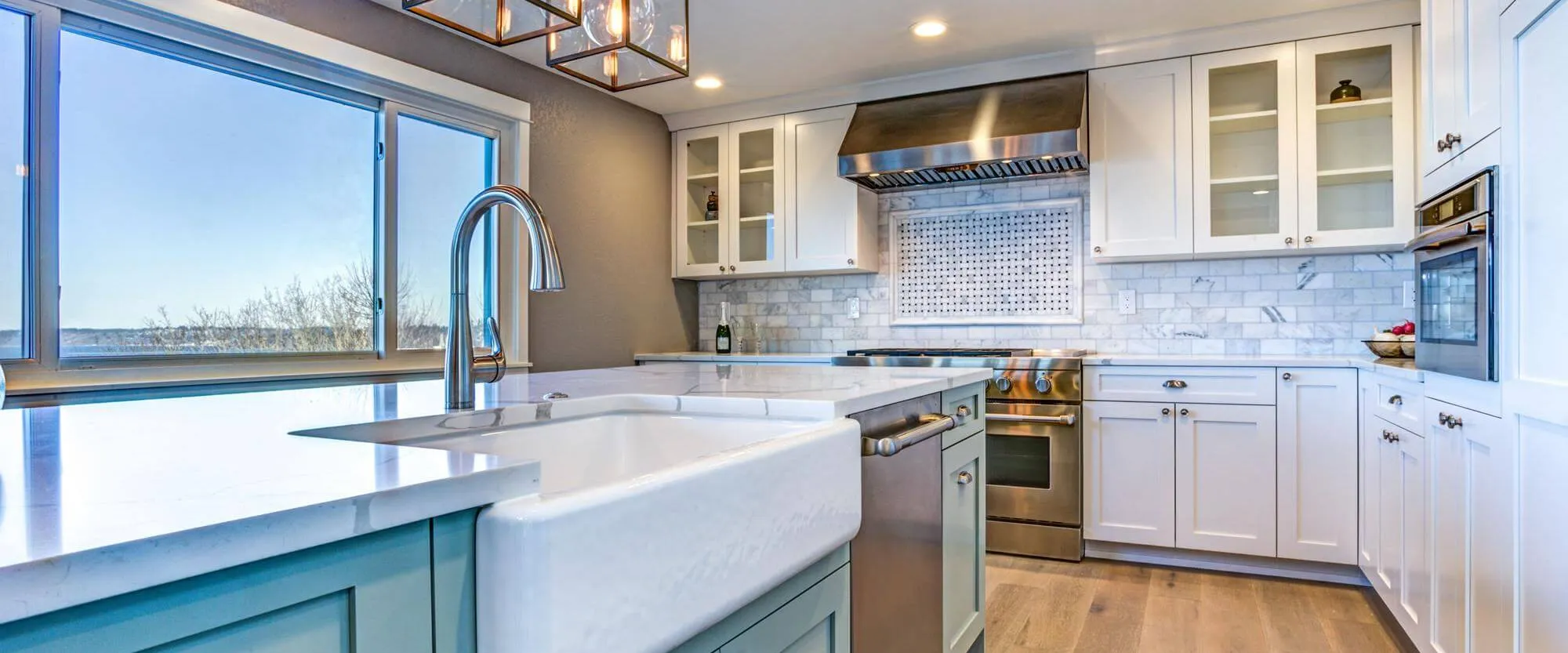
Choosing a kitchen benchtop affects food preparation, cleaning habits, visual balance, and long-term expenditure. Stone remains popular because it combines a substantial feel with lasting appeal. Each material differs in porosity, heat response, staining risk, colour movement, and maintenance needs. The best selection reflects cooking patterns, cabinet proportions, natural light, household activity, and available funds. Careful planning also limits fabrication changes, awkward joins, and avoidable repairs after installation.
1. Start With Daily Kitchen Habits
Cooking frequency should shape the first decision. Choosing stone kitchen benchtops in Brisbane can provide a practical surface suited to the demands of a busy household. A busy household needs a surface that manages spills, impact, heat, and repeated wiping. Occasional cooks may place greater value on colour, texture, or price. Bakers benefit from generous working depth, while compact rooms demand efficient layouts. Children, pets, entertaining, and appliance placement also matter. These details identify useful features before material samples enter the discussion.
2. Assess Quartz Composite
Quartz composite contains mineral content combined with binding agents. Its controlled appearance suits modern cabinetry and restrained colour palettes. The surface manages many ordinary stains and needs routine wiping with mild soap. Hot cookware still requires a trivet, because intense heat can damage the binding material. Strong sunlight may affect selected colours over time. Supplier instructions should determine cleaning products, placement, and ongoing care.
3. Consider Granite for Natural Character
Granite brings varied grain, dense structure, and strong resistance to ordinary kitchen activity. Every slab differs, so households should inspect the complete piece before approval. Dark varieties create contrast against pale cupboards, while lighter grades can make small rooms feel more open. Some granite requires periodic sealing, depending on porosity. Fabricators can explain sealing intervals, join positions, cut-outs, and suitable cleaning methods.
4. Use Marble With Care
Marble creates a refined appearance through fine veining and gentle tonal shifts. Its calcium-based composition can react with acidic foods, including lemon juice, vinegar, and tomato. Polished surfaces may reveal etching more clearly than honed finishes. Chopping boards, prompt spill removal, and pH-neutral cleaners help preserve the surface. Marble suits careful cooks who appreciate natural variation and accept visible signs of use over time.
5. Choose Colour With the Room in Mind
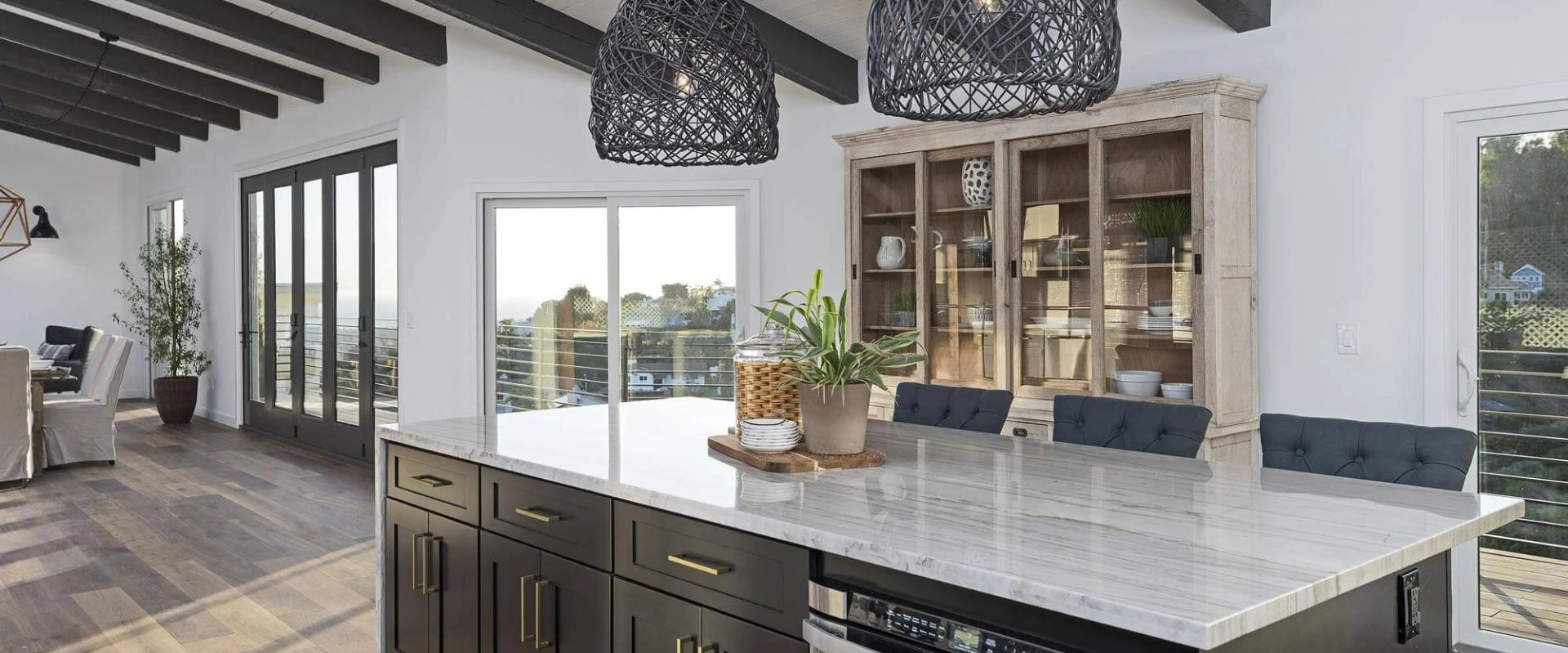
Cabinet colour, flooring, splashback materials, and wall tones should form a balanced composition. Pale counters reflect light through narrow kitchens, whereas deep shades add visual weight. Strong patterns pair best with quieter cabinetry and simple hardware. Plain surfaces allow expressive tiles or textured doors to take focus. Samples should sit beside cabinet doors during morning and evening light, rather than under showroom illumination alone.
6. Select a Suitable Finish
Finish changes both appearance and daily handling. Polished surfaces reflect light and create a sharper visual effect. Honed options offer a softer look, although fingerprints may appear more readily. Textured treatments add tactile interest but can require extra attention during cleaning. Surface sheen should suit room lighting, cabinet style, and maintenance expectations. A consistent finish across adjoining pieces creates a composed result.
7. Plan Thickness and Edge Details
Thickness influences visual weight, price, and the relationship between counters and cabinetry. Standard profiles often create balance without excessive material use. Waterfall ends produce continuity along an island, though they increase fabrication requirements. Rounded edges improve safety in active family kitchens. Square profiles suit clean-lined interiors but may feel sharper in narrow walkways. Fabricators should confirm every exposed edge before production begins.
8. Measure the Room Accurately
Accurate measurements prevent delays, awkward joins, and appliance conflicts. Existing walls may require templates because few rooms are perfectly square. Sink openings, cooktops, taps, power points, and support rails belong on the final plan. Overhangs need suitable reinforcement, especially around seating areas. Professional templating accounts for walls, corners, plumbing, and cabinet movement. Households should approve the plan before cutting starts.
9. Review Care and Maintenance Needs
Every surface benefits from prompt spill removal and non-abrasive cleaning tools. Harsh powders, strong solvents, and rough scouring pads may affect finishes. Trivets protect counters from hot pots, while chopping boards prevent knife marks. Natural products may need sealing, whereas engineered materials usually require simpler care. Written supplier guidance should remain available after installation. Correct habits protect appearance and support longer service.
10. Set a Realistic Budget
Total spending includes slabs, templating, cutting, transport, installation, sink preparation, joins, and edge work. A lower material price may lose its advantage after complex fabrication charges. Simple layouts usually reduce waste and labour. Premium colours, thick profiles, curved sections, and waterfall ends can increase the final bill. Several written quotations make cost differences easier to compare. The strongest option balances appearance, performance, and future upkeep.
Conclusion
The right kitchen benchtop reflects household habits, room proportions, design preferences, and available funds. Quartz composite suits consistent styling and straightforward care, while granite and marble provide natural variation. Porcelain offers another practical choice for heat-conscious households. Colour, finish, thickness, edges, measurements, and installation details deserve equal attention. Comparing complete samples with written specifications helps households choose a surface that supports daily work and retains visual appeal for years.
























Sign in to leave a comment.