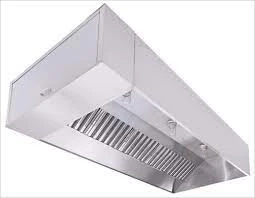

Selecting the right restaurant hood systems is crucial for maintaining a safe and efficient kitchen environment. Here is a guide to help you navigate the process:
Understand Local Regulations: Familiarize yourself with local building codes, fire safety regulations, and health department requirements regarding restaurant exhaust systems. Different jurisdictions may have specific guidelines for system design, installation, and maintenance.
Determine Exhaust System Type: There are two main types of restaurant exhaust systems: Type I and Type II.
Type I: This system is designed to remove grease-laden vapors and smoke produced by cooking equipment such as fryers, grills, and broilers. It requires a grease filter, ductwork, and an exhaust fan capable of handling grease-laden air.
Type II: This system is intended for removing heat, steam, and odor from non-grease-producing appliances such as ovens, steamers, and dishwashers. It typically requires a grease filter or baffle filter, ductwork, and an exhaust fan.
Assess your kitchen equipment and determine whether you need a Type I, Type II, or a combination system that caters to both types of exhaust.
Calculate Airflow Requirements: Determine the appropriate airflow capacity for your restaurant by considering factors such as the size of the kitchen, the number and type of cooking appliances, and the volume of cooking activities. Consulting with a professional engineer or exhaust system specialist can help ensure accurate calculations.
Consider Hood Design: Select a hood design that suits your kitchen layout and equipment. Hood options include canopy hoods, proximity hoods, and island hoods. The hood should effectively capture and contain the cooking emissions generated by the equipment.
Evaluate Filtration: For Type I systems, choose an effective grease filtration method, such as baffle filters or mesh filters. These filters help capture grease particles and prevent them from accumulating in the ductwork, reducing fire hazards and improving system efficiency. Regular cleaning and maintenance of the filters are essential for optimal performance.
Sizing and Placement of Ductwork: Ensure that the ductwork is sized appropriately to handle the airflow volume and the type of exhaust produced. Proper placement of the ductwork, including the routing and positioning, is important to maintain efficient airflow and minimize buildup of grease or other contaminants.
Selecting the Exhaust Fan: Choose an exhaust fan that matches the airflow requirements of your kitchen. Consider factors such as fan capacity, noise level, energy efficiency, and maintenance requirements. Ensure the fan is properly installed to ensure proper ventilation.
Noise and Vibration Control: Look for exhaust system components that include features to minimize noise and vibration. Noise reduction measures, such as insulated ductwork and vibration isolation, can help create a more comfortable and less disruptive kitchen environment.
Seek Professional Expertise: Engage with experienced exhaust system professionals or consultants who specialize in commercial kitchen ventilation. They can assess your specific needs, provide recommendations, and ensure compliance with regulations.
Maintenance and Cleaning: Regular maintenance and cleaning are essential for the proper functioning of your restaurant exhaust system. Develop a maintenance schedule and cleaning protocol to keep the system in optimal condition, prevent fire hazards, and prolong its lifespan.
By following these guidelines and working closely with professionals, you can select a restaurant exhaust system that meets local regulations, ensures a safe and efficient kitchen environment, and supports the smooth operation of your restaurant.



























Sign in to leave a comment.